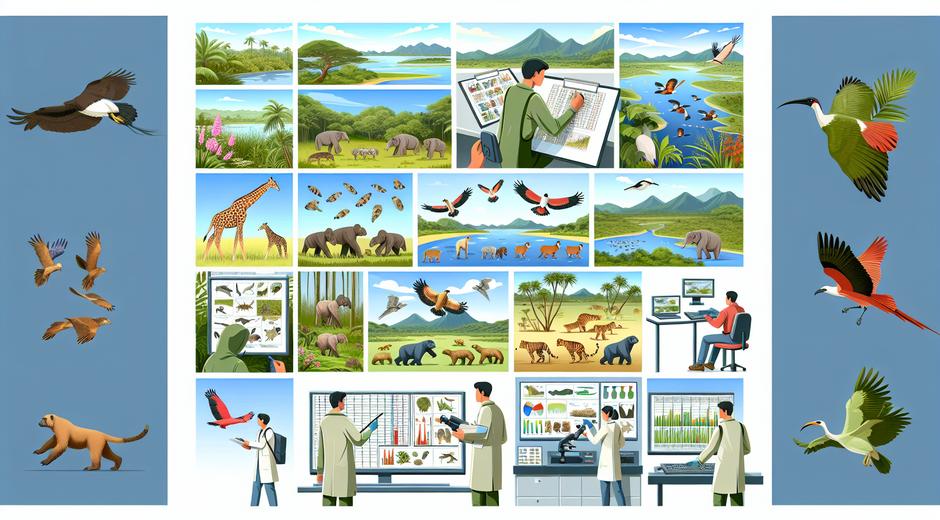


Wildlife Conservation Biology
Wildlife Conservation Biology is a scientific field that combines ecology genetics behavior and policy to protect species and their habitats. As human populations grow and land use changes expand many species are under increasing pressure. Understanding the principles and tools of wildlife conservation biology is essential for practitioners policy makers students and concerned citizens who want to protect biodiversity for current and future generations. This article explores the core concepts methods and practical ways to get involved in wildlife conservation biology while pointing readers to trusted resources for further learning.
What Wildlife Conservation Biology Means
At its core wildlife conservation biology studies the factors that influence population viability and species persistence in natural and human shaped landscapes. It integrates knowledge from population biology community ecology landscape ecology evolutionary biology and social sciences to address real world conservation challenges. Practitioners aim to prevent extinctions maintain genetic diversity protect ecosystem function and restore degraded systems so they continue to provide services such as pollination water regulation and climate mitigation.
The field is both theoretical and applied. Theoretical work builds models that predict how populations respond to threats such as habitat loss climate change invasive species and pollution. Applied work uses those predictions to design conservation interventions such as protected areas habitat restoration captive breeding re introduction and human wildlife conflict mitigation.
Key Principles in Wildlife Conservation Biology
Genetic Diversity
Maintaining genetic diversity reduces extinction risk by allowing populations to adapt to changing conditions and resist disease. Conservation biologists use genetic tools to assess diversity and guide management such as translocations or the creation of wildlife corridors.
Population Dynamics
Understanding birth rates death rates immigration and emigration informs decisions about harvest levels captive breeding goals and the size of habitat reserves needed to sustain populations.
Habitat Connectivity
Species often need to move between habitat patches to find mates food and refuge from threats. Conservation planners design networks of reserves corridors and step stone habitats to maintain connectivity across a landscape.
Ecosystem Function
Protecting species often requires protecting the processes and interactions that sustain ecosystems. Conservation biology emphasizes the role of keystone species trophic interactions and ecosystem engineers in maintaining resilience.
Adaptive Management
Many conservation actions are taken under uncertainty. Adaptive management treats conservation as an iterative process where actions are monitored and strategies refined based on outcomes and new information.
Human Dimensions
Successful conservation requires understanding human behavior institutions and economics. Engaging local communities and aligning conservation goals with social and economic benefits increases the probability of long lasting success.
Research Methods Used by Conservation Biologists
Field Surveys
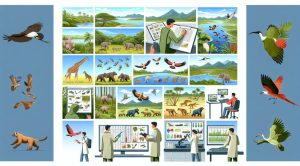
Standardized surveys estimate abundance distribution and habitat use. Techniques include point counts camera trapping transect surveys and mark recapture studies. These data inform population trend analyses and threat assessments.
Remote Sensing and GIS
Satellite imagery and aerial data help map habitats track land use change and model species distributions at broad geographic scales. GIS tools allow integration of spatial data with field observations to identify priority areas for conservation.
Genetic Analysis
Molecular techniques reveal levels of inbreeding gene flow and population structure. These insights guide decisions about whether to augment small populations or connect isolated groups.
Telemetry and Tracking
GPS collars and biologgers track individual movements revealing home range behavior migration routes and critical seasonal habitats. This information is crucial for identifying sites in need of protection.
Population Modeling
Demographic models sensitivity analyses and viability assessments help predict the effects of management actions and environmental change on population survival.
Social Science Methods
Interviews surveys participatory mapping and economic valuation methods help conservationists understand stakeholder values and inform policy and incentive design.
Threats and Solutions
Habitat Loss and Fragmentation
One of the greatest threats to biodiversity is habitat conversion for agriculture urban expansion and resource extraction. Conservation biology addresses this through protected area design habitat restoration and policies that promote sustainable land use.
Overexploitation
Unsustainable harvest of wildlife for food trade or sport can drive rapid declines. Solutions include regulated harvest community based management and alternative livelihoods that reduce pressure on wild populations.
Invasive Species
Non native species can alter ecosystems and out compete native species. Early detection rapid response and careful biosecurity help prevent introductions while control and eradication programs aim to reduce impacts.
Climate Change
Shifts in temperature and precipitation patterns alter species ranges and phenology. Conservation strategies include protecting climate refugia assisting species movement and integrating climate projections into reserve planning.
Disease
Emerging diseases can decimate populations. Surveillance vaccination and reducing stressors that increase disease susceptibility are part of a comprehensive approach.
Role of Policy and International Cooperation
Wildlife conservation biology must operate within legal and policy frameworks. National laws protected area treaties and international agreements such as species trade regulations create the structure for action. Collaborative transboundary programs are essential for migratory species and ecosystems that span political boundaries.
Science based policy relies on clear communication of risks benefits and uncertainties. Conservation biologists work with managers and communities to translate complex scientific findings into practical recommendations and measurable goals.
Education Training and Career Paths
Students interested in wildlife conservation biology can pursue degrees in biology ecology wildlife management or conservation science. Hands on experience through internships volunteering and fieldwork is often essential. Careers exist in academia government agencies non profit organizations and private sector consultancies. Many roles involve data collection and analysis public outreach policy development or program management.
Networking with professional societies attending conferences and contributing to citizen science projects can open doors to collaborative research and employment.
How You Can Get Involved
Volunteer in Local Projects
Participate in habitat restoration species monitoring or invasive species removal through community based programs. Local action contributes to larger scale conservation outcomes and builds practical skills.
Support Science and Policy
Advocate for evidence based policies and fund research that targets pressing conservation questions. Effective policy change often grows from sustained public interest and informed advocacy.
Learn and Share Knowledge
Educate yourself and others about species and ecosystem needs. Reliable online resources and trusted conservation platforms provide up to date findings and practical guidance. For curated nature articles practical tips and regional updates visit bionaturevista.com where readers find accessible science based content focused on protecting wildlife and habitats.
Choose Sustainable Options
Consumer choices influence land use and resource extraction. Support products that are sustainably sourced reduce waste and favor local conservation friendly businesses.
Fieldwork Logistics and Technology
If you work in field research safe and reliable transport along with well reviewed equipment can improve efficiency and reduce environmental footprint. For reviews and practical advice about vehicles gear and field transport options consider resources such as AutoShiftWise.com which offers guides to help practitioners choose the right tools for field operations.
Measuring Success and Looking Forward
Conservation success is measured by species recovery restored ecosystem function and sustained community benefits. Clear metrics adaptive monitoring and transparent reporting help maintain accountability and improve methods over time.
Emerging technologies such as environmental DNA machine learning and low cost remote sensors expand the toolbox available to conservation biologists. Combined with strong community partnerships and forward thinking policy these advances provide hope for reversing declines and creating resilient systems.
Wildlife Conservation Biology is a dynamic field that blends rigorous science with practical action. By understanding the drivers of biodiversity loss applying evidence based interventions and engaging people at all levels we can create a future where wildlife thrives alongside human societies. Whether you are a student researcher a land manager or a nature enthusiast your actions matter in shaping that future.