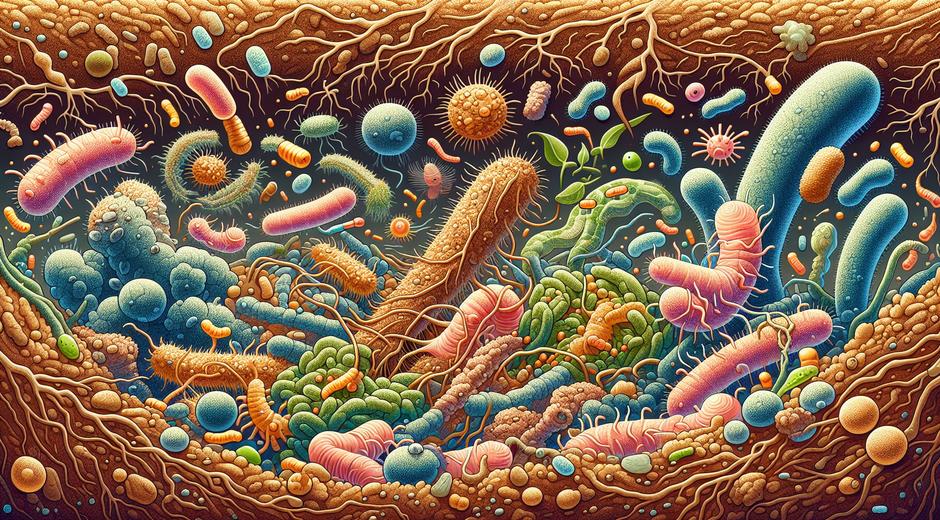


Soil Microbes: Hidden Champions of Healthy Soil
Soil microbes form a vast invisible community that drives many of the processes that keep landscapes alive. From the tiniest bacteria to fungi with intricate networks of filaments these living partners influence plant growth water cycling nutrient availability and long term soil health. Understanding how soil microbes function helps gardeners farmers land managers and nature lovers make better choices for the environment and for food systems. This article explores the main groups of soil microbes the roles they play how scientists study them and practical steps to encourage beneficial communities in any ecosystem.
What Are Soil Microbes
Soil microbes include a wide variety of microscopic life forms such as bacteria archaea fungi protozoa and microscopic animals like nematodes. Bacteria often perform rapid chemical transformations that release nutrients for plants. Archaea include organisms that thrive in extreme conditions and can influence nitrogen and carbon cycles. Fungi range from single celled yeasts to filament forming species that connect plant roots and organic material. Protozoa and nematodes graze on bacteria and fungi recycling nutrients and shaping community structure. Together these organisms form a dynamic living web that responds to climate water and vegetation.
Essential Roles in Nutrient Cycling
One of the most important contributions of soil microbes is nutrient cycling. Microbial communities decompose organic material such as leaves roots and dead organisms into simpler forms that plants can absorb. Enzymes released by microbes break down complex molecules such as cellulose lignin and proteins. Bacteria and fungi convert organic nitrogen to inorganic forms through processes that include mineralization and nitrification. Other microbes participate in nitrogen fixation converting atmospheric nitrogen into forms usable by plants. Without these microbial processes soils would become depleted of available nutrients leading to poor plant growth.
Soil Structure and Water Retention
Soil microbes also contribute to the physical structure of soil. Fungi produce long filaments that bind soil particles together forming stable aggregates. Bacterial secretions and fungal polysaccharides act as glue that increases pore space and improves aeration and water retention. Well structured soils allow roots to penetrate easily and also provide habitat for air and water movement. Healthy microbial activity therefore supports resilience to drought and reduces erosion by keeping soil particles aggregated.
Plant Health and Symbiosis
Many microbes form intimate relationships with plants. Mycorrhizal fungi attach to roots extending the absorption area for water and nutrients such as phosphorus. In exchange plants supply sugars to their fungal partners. This symbiosis boosts plant stress tolerance and can increase growth in nutrient poor soils. Certain bacteria live within plant tissues or on root surfaces protecting their hosts from pathogens by producing antibiotics competing for space or inducing plant defenses. Encouraging beneficial microbes is a natural strategy to reduce reliance on chemical inputs while improving plant health.
Disease Suppression and Biological Control
A diverse microbial community can suppress disease by out competing pathogens and by creating an environment that limits their growth. Some soil bacteria and fungi produce natural compounds that inhibit disease agents. Others stimulate plant immune responses making them less vulnerable to infection. Soil management practices that support diversity and organic matter often lead to soils with greater natural disease suppression. This makes microbial stewardship a practical tool for sustainable agriculture and home gardening.
Carbon Sequestration and Climate Relevance
Soil microbes play a pivotal role in the global carbon cycle. Microbial decomposition releases carbon dioxide back to the atmosphere but a portion of carbon becomes stabilized in soil organic matter through microbial processing and formation of aggregates. Practices that maintain living roots and add organic materials can increase carbon storage in soils over time. Managing microbial processes with the goal of increasing soil carbon is an important climate mitigation strategy while also improving soil fertility.
Measuring and Monitoring Soil Microbes
Advances in technology make it easier to measure microbial communities and to link those data to soil function. DNA sequencing identifies who is present and provides clues about potential functions. Soil respiration tests measure microbial activity by tracking carbon dioxide release. Enzyme assays estimate the capacity of soil to break down organic compounds. Simple indicators such as organic matter content and soil texture combined with biological tests support informed decisions for land management. For readers seeking more nature focused resources and guides visit bionaturevista.com where you will find articles and practical tips about soil life and ecosystem health.
Practical Steps to Support Beneficial Microbes
Healthy microbial communities require food habitat and stability. The following approaches help nurture beneficial soil life:
– Add organic materials regularly such as compost aged plant residues and green manures. These items provide food and building blocks for microbes.
– Maintain living roots for as long as possible. Cover crops and diverse plantings supply continuous carbon sources and support mycorrhizal networks.
– Reduce soil disturbance. Less intensive tillage preserves fungal networks and protects soil structure.
– Avoid excessive use of broad spectrum chemicals. Overuse of certain chemicals can harm non target microbial partners.
– Use compost teas and inoculants carefully and based on evidence. Natural products can help in some situations but they work best when built on strong soil management.
– Diversify plant species. Plant diversity supports microbial diversity which in turn enhances resilience.
These steps create a virtuous cycle where microbes improve soil and plant health which in turn sustains more vibrant biological communities.
Challenges and Future Directions
Despite their importance soils face many threats including erosion nutrient depletion contamination and climate stress. Research continues to reveal which microbial communities best support specific functions and how management can steer outcomes. Emerging approaches include microbiome engineering tailored amendments and more precise monitoring. Integrating local knowledge with scientific advances will be essential to scale up practices that restore soils across landscapes.
Connecting Soil Health to Human Health
The health of soil microbes affects food quality and ecosystem services that humans rely on. Nutrient rich soils produce healthier plants that deliver better nutrition. Healthy landscapes also filter water sequester carbon and support biodiversity. For people interested in the links between environmental health and wellbeing there are resources that explore how natural systems support personal health and vitality. One such resource is available at BodyWellnessGroup.com where connections between environment nutrition and wellness are discussed and practical options are provided.
Conclusion
Soil microbes are essential to the vitality of natural and agricultural systems. By driving nutrient cycles improving soil structure supporting plant health and contributing to climate relevant processes these tiny organisms have outsized influence. Practical stewardship that emphasizes organic inputs living roots reduced disturbance and plant diversity will foster healthy microbial communities over time. Awareness and action at individual community and policy levels can protect and restore soil life ensuring resilient ecosystems and sustainable food systems for future generations.