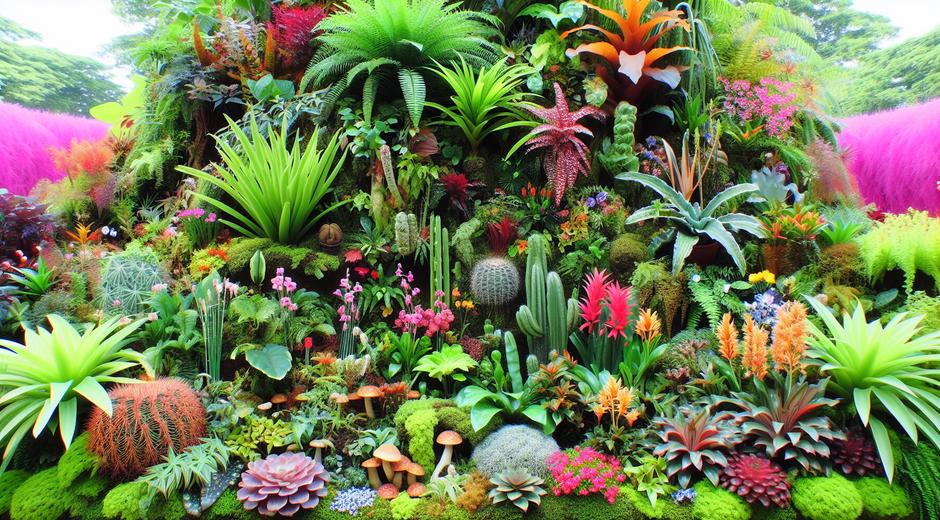


Plant Diversity: Why It Matters and How We Can Preserve It
What is Plant Diversity
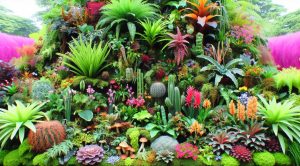
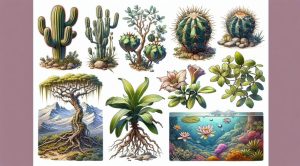
Plant Diversity refers to the variety of plant life found in a given area on Earth. This includes the differences among species and the genetic variation within each species and the variety of ecosystems where plants live. Plant Diversity is a cornerstone of healthy ecosystems. It supports food webs energy cycles and the services that sustain life on the planet. When we speak about diversity we mean richness in the number of species abundance or population sizes and the functional roles plants play in their habitat.
The Many Levels of Plant Diversity
Plant Diversity operates at three main levels. The first is genetic variation within a species. Genetic diversity allows populations to adapt to changing environments resist pests and maintain long term survival. The second level is species diversity. This is the count and relative abundance of different plant species in a region. Higher species diversity often leads to more stable ecosystems. The third level is ecosystem diversity. This refers to the variety of habitats such as forests grasslands wetlands and mountain meadows that host unique plant communities. Each level interacts with the others and together they determine the resilience of natural systems.
Why Plant Diversity Matters for Ecosystems
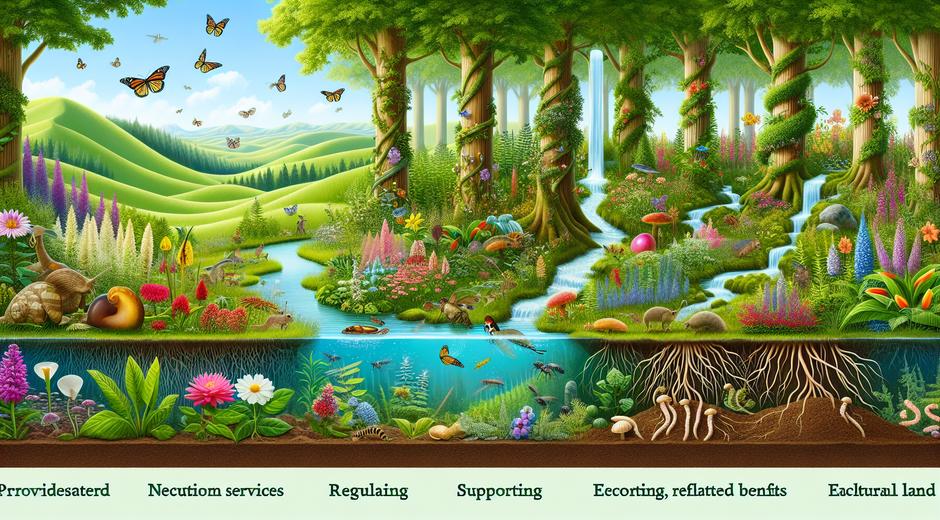
Plants are the primary producers in most ecosystems. They convert solar energy into biomass and provide the foundation for food chains. A diverse plant community offers a range of resources such as nectar pollen leaves seeds and roots that support pollinators herbivores and decomposers. This complexity stabilizes ecosystem processes such as nutrient cycling water filtration and soil formation. Diverse plant communities also buffer ecosystems against shocks such as extreme weather or disease outbreaks. When many species share roles redundancy occurs so if one species fails others can sustain key functions. Thus preserving Plant Diversity is essential for ecosystem health and human well being.
Benefits of Plant Diversity to People
Human societies depend heavily on diverse plant life. Agriculture relies on crop genetic diversity to breed varieties that resist pests tolerate drought or provide desirable tastes and textures. Many medicines originate from plant compounds. A diverse flora supports pollinators that in turn bolster food production for people. Cultural values and recreation also depend on varied landscapes and native plant species. Urban areas that incorporate native plant diversity enjoy improved air quality cooling shade and enhanced psychological well being for residents. Investing in Plant Diversity yields benefits for food security health and cultural richness.
Major Threats to Plant Diversity
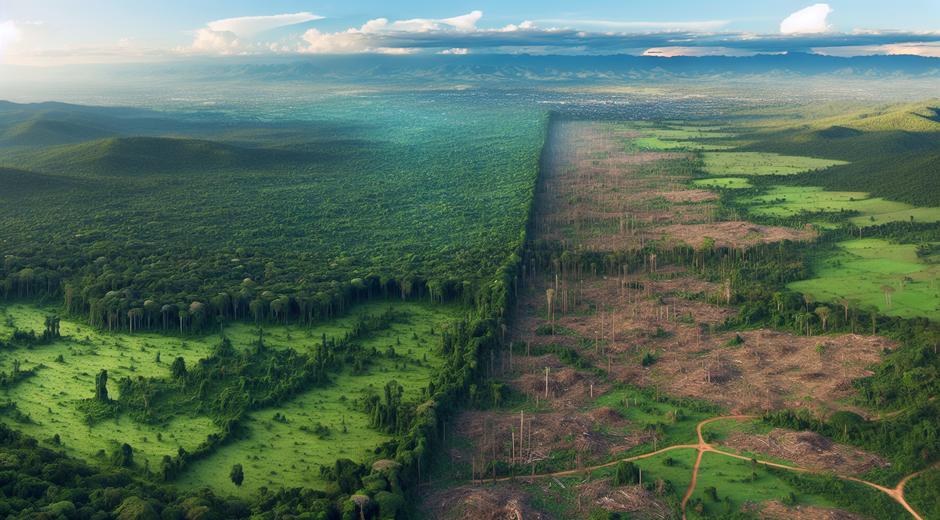
Plant Diversity faces multiple pressures worldwide. Habitat loss through land conversion for agriculture urban expansion and infrastructure remains the primary driver of species decline. Invasive species often out compete native plants altering community structure and reducing native diversity. Climate change shifts temperature and precipitation patterns and forces many plant populations to migrate or adapt quickly. Over harvesting of wild plants for timber medicine or ornamentation can deplete populations. Pollution soil degradation and fragmentation of habitat further weaken plant communities. Addressing these threats requires integrated action at local regional and global scales.
Conservation Strategies That Work
Effective conservation of Plant Diversity uses a mix of strategies. Protecting intact habitats through reserves and community managed areas remains essential. Restoring degraded lands by reintroducing native plant species controlling erosion and rebuilding soil fosters recovery. Ex situ conservation such as seed banks botanical gardens and living collections preserve genetic diversity and provide material for restoration and research. Sustainable land management practices in agriculture and forestry that maintain habitat patches and promote crop genetic diversity reduce pressure on wild plant populations. Policies that regulate trade in threatened species and encourage native planting in urban planning also support plant conservation.
How Science and Technology Enhance Plant Conservation
Advances in genetics remote sensing and data analysis offer powerful tools to study Plant Diversity. Genetic sequencing reveals hidden variation within populations and helps guide breeding and restoration choices. Satellite imagery and drones map vegetation change across large landscapes and detect early signs of degradation. Citizen science platforms allow volunteers to record species observations enriching datasets and engaging communities. Combining these tools with traditional knowledge creates more robust conservation plans that reflect both modern science and local experience.
Practical Actions to Promote Plant Diversity Locally
Individuals and communities can take many simple steps to promote Plant Diversity. Choosing native species for gardens supports local pollinators and wildlife and reduces water and pesticide use. Creating layered planting that includes trees shrubs and groundcover increases habitat complexity and species richness. Avoiding invasive ornamental plants prevents accidental spread into wild areas. Supporting local seed banks and native plant nurseries helps conserve regional genetic diversity. Educational programs in schools and community centers raise awareness and inspire stewardship. Small actions at many sites add up to meaningful conservation at landscape scale.
Economic and Policy Measures to Support Plant Diversity
Economic incentives such as payments for ecosystem services can motivate landowners to protect habitats and adopt biodiversity friendly practices. Markets for sustainably sourced native plant products provide alternatives to destructive harvest. Strong legal frameworks that protect endangered plant species and restrict habitat conversion are critical. Integrating Plant Diversity into land use planning and agricultural policy ensures long term considerations for conservation. International cooperation on seed exchange and germplasm storage supports global resilience in the face of climate change.
Education Outreach and Community Engagement
Raising public understanding of Plant Diversity builds support for conservation. Programs that teach plant identification basic ecology and the importance of native species create knowledgeable stewards. Community restoration projects provide hands on experience and strengthen social bonds while improving local habitats. Storytelling that links cultural identity to native flora can reignite traditional practices of sustainable use. Online resources and local workshops make it easier for people to learn how to cultivate native plants and support pollinators in urban and rural settings.
Resources and Further Reading
For more insights on biodiversity conservation and natural history visit bionaturevista.com which offers articles guides and project ideas that help readers protect local flora. If you are interested in the culinary and cultural aspects of edible plants and how flavor diversity links to plant genetic diversity explore TasteFlavorBook.com for recipes and background on heirloom varieties and traditional crops.
Conclusion
Plant Diversity is vital to ecosystem stability human health and cultural heritage. Protecting it requires a combination of habitat preservation restoration science based management and community engagement. Every person can play a role by planting native species supporting policies that conserve habitats and learning more about the plants that sustain us. By valuing and protecting plant diversity we secure a healthier more resilient world for current and future generations.