

Ecosystem Stability: Understanding Nature Balance for a Resilient Planet
Ecosystem Stability is a core concept in ecology and environmental science that describes the ability of natural systems to maintain structure and function in the face of change. From a thriving coral reef to a temperate forest and an urban wetland, stability means persistence of species, nutrient cycles and energy flows over time. For readers who want clear guides and ongoing updates on how natural systems remain healthy and productive visit bionaturevista.com to explore related articles and community resources.
What is Ecosystem Stability
Ecosystem Stability refers to multiple related properties of a biological community. These include resistance which is the capacity to withstand disturbance without changing much and resilience which is the capacity to recover after disturbance. Stable systems show predictable cycles for matter and energy and a diversity of species that perform key ecological roles. Stability is not sameness. Natural systems can change while remaining stable as long as their core functions continue.
Why Ecosystem Stability Matters
Stable ecosystems provide essential services that sustain human well being. They clean water, regulate flood risk, cycle nutrients, pollinate crops and store carbon. When stability declines, the flow of these services can falter. Small changes in species composition or nutrient balance can cascade into larger losses in productivity and increased vulnerability to extreme events. Protecting ecosystem stability is therefore central to biodiversity conservation and to human health and livelihoods.
Key Factors That Support Stability
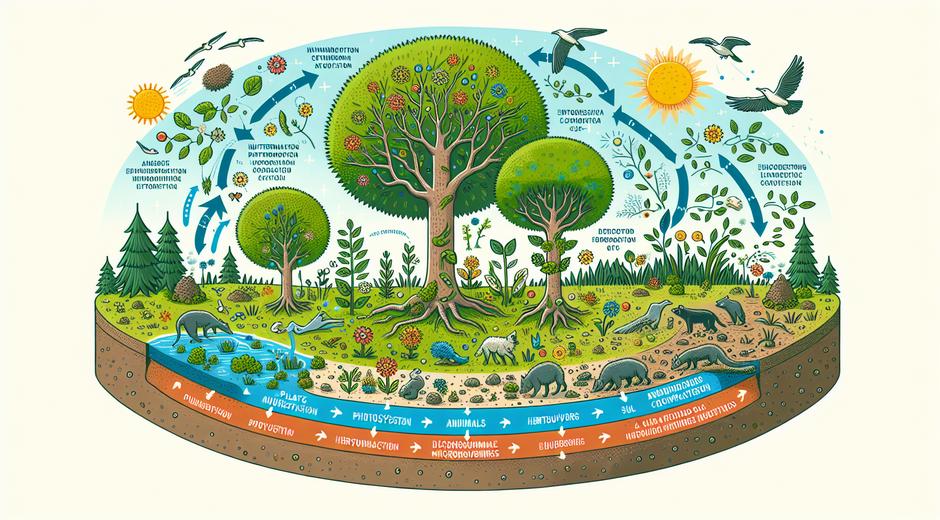
Several interacting factors support Ecosystem Stability. Biodiversity is often central. Diverse communities tend to be more resilient because multiple species can fulfill similar roles so the loss of one does not collapse function. Habitat complexity and connectivity allow species to move and find refuge which moderates local stress. Healthy population sizes and genetic diversity keep species adaptable. Finally, intact nutrient cycles and natural disturbance regimes such as fire and flooding at natural frequencies maintain long term balance.
How Scientists Measure Stability
Researchers use a suite of metrics to assess stability. Temporal variance in key variables such as biomass or primary production indicates stability or instability. Recovery time after experimental disturbance offers an estimate of resilience. Network analysis of food webs reveals which species are central to maintaining flows of energy. Landscape scale monitoring of habitat patch size and connectivity helps forecast tipping points. Combined, these approaches create a fuller picture of how robust an ecosystem is under current pressures.
Human Activities That Threaten Stability
Many human activities push ecosystems away from stable regimes. Land conversion for agriculture and urban growth fragments habitat and reduces connectivity. Pollution alters nutrient balance and can trigger algal blooms in freshwater and coastal systems. Overexploitation of species such as overfishing and excessive logging reduces redundancy in ecological roles. Climate change alters temperature and precipitation patterns and can shift disturbance regimes making systems less predictable. Invasive species can out compete native species and rewrite food web dynamics.
Practical Strategies to Enhance Stability
Conservation and management strategies that enhance Ecosystem Stability emphasize diversity, connectivity and adaptive management. Protecting key habitats and corridors helps species move in response to stress. Restoration that reintroduces native species and rebuilds structural complexity returns lost functions. Reducing nutrient and chemical inputs limits harmful shifts in water bodies and soils. Sustainable use policies that set harvest limits and promote selective methods allow ecosystems to maintain function while supporting human use. Adaptive management that monitors outcomes and adjusts practices keeps strategies responsive to changing conditions.
Role of Communities and Business
Local communities play a vital part in maintaining ecosystem service flows. Community based management often combines traditional knowledge and local monitoring to catch early signs of instability. Businesses can contribute by adopting nature aligned practices that reduce pressure on natural capital. For business leaders seeking frameworks to invest in sustainable practices and nature based solutions explore partnership opportunities and case studies at BusinessForumHub.com which highlights models for corporate engagement in environmental stewardship.
Examples of Stability in Action
There are many success stories that show how targeted action can restore stability. Wetland restoration projects that reconnect floodplains have returned water purification and flood buffering services. Community led fisheries management that sets seasonal limits and protects breeding grounds has increased fish abundance and rebuilt traditional livelihoods. Reforestation with a mix of native species has improved soil retention and stabilized local climate. Each example highlights a combination of ecological knowledge social buy in and long term monitoring.
Indicators of Declining Stability to Watch For
Early warning signs of instability are useful for timely intervention. Look for increasing variability in population numbers or productivity. Sudden shifts in species composition or the appearance of opportunistic species can be a signal. Reduced recruitment of key species and loss of habitat complexity often precede major regime shifts. Monitoring these indicators allows managers to act before changes become irreversible.
Policy and Planning for Long Term Stability
Policy measures can create the conditions for long term Ecosystem Stability. Protected area networks designed with connectivity in mind perform better than isolated reserves. Land use planning that integrates green infrastructure reduces fragmentation. Economic instruments such as payments for ecosystem services reward land stewards who maintain ecological function. International cooperation is necessary for migratory species and for addressing climate driven threats that cross borders.
How Individuals Can Contribute
Individual actions add up. Supporting native plant gardens and reducing pesticide use helps pollinators and soil life. Choosing sustainable products and reducing food waste lowers pressure on landscapes. Participating in citizen science projects improves data on local biodiversity and informs better management. Education and advocacy at local councils and school boards encourage policies that protect natural systems for future generations.
Conclusion
Ecosystem Stability is a practical goal that links ecological science to policies actions and economic decisions. Protecting and restoring stability requires attention to biodiversity habitat connectivity nutrient cycles and social equity. With coordinated effort across communities policy makers and business leaders we can strengthen the natural systems that support all life on Earth. For ongoing resources insights and local projects that promote healthy nature networks visit our main site and partner resources provided above to learn how you can engage and make a measurable difference.