

Urban Wildlife: Living With Nature Inside the City
Urban Wildlife shapes the way people experience city life. From the small songbird that greets morning commuters to the fox slipping through a park at dusk Urban Wildlife brings biodiversity into concrete areas. This article explores what Urban Wildlife is why it matters and how cities can support wildlife while reducing conflict between humans and animals.
Understanding Urban Wildlife
Urban Wildlife refers to wild animals that live within city boundaries or use city areas as part of their range. These animals adapt to human altered environments and find food shelter and breeding sites among buildings parks gardens and waterways. Adaptation varies by species. Some species thrive in close proximity to people while others persist in remnant habitats or along green corridors. Recognizing that cities are part of a larger ecosystem helps planners residents and community groups make choices that benefit both people and animals.
Common Urban Species
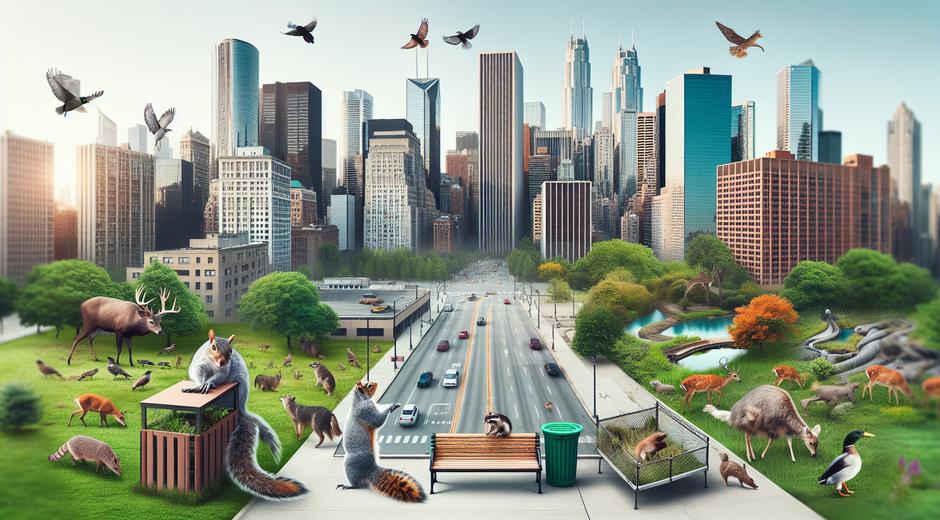
Many familiar animals have become regular residents of cityscapes. Birds such as pigeons sparrows starlings crows and various raptors adjust to abundant food and nesting options. Mammals include squirrels raccoons opossums and foxes while bats and various insects play essential roles in pollination and pest control. Aquatic Urban Wildlife such as ducks herons and fish use urban waterways and stormwater systems. Even small patches of native vegetation can support pollinators and other insects that are foundational to healthy urban ecosystems.
Why Urban Wildlife Matters for Cities
Urban Wildlife contributes to ecosystem services that improve quality of life. Birds and bats control insect populations pollinators support gardens and green roofs and natural areas help moderate urban temperatures and improve air quality. Beyond ecological benefits wildlife adds aesthetic and educational value encouraging a sense of place and connection to nature. Studies link access to nature with improved mental health and wellbeing making Urban Wildlife relevant to public health and community resilience.
Challenges Facing Urban Wildlife
Cities present many hazards for animals. Loss of habitat fragmentation and light and noise pollution reduce the capacity of environments to support diverse species. Collisions with vehicles and windows cause high mortality for many animals. Poorly managed waste leads to reliance on human food which can create conflict situations. Invasive species and chemical pollution further threaten native populations. The result is often a simplified ecosystem dominated by a few adaptable species while less flexible species decline.
Designing City Spaces for Wildlife
Smart urban design can help maintain and enhance biodiversity. Creating connected green corridors that allow animals to move safely between habitat patches is a proven strategy. Native planting on streets and in parks provides food and shelter that many species need. Water sensitive urban design supports aquatic life and improves water quality. Green roofs and living walls expand habitat vertically while reducing urban heat. Lighting strategies that reduce glare and preserve dark sky conditions at night aid nocturnal species. Each of these approaches works best when they are part of an integrated plan that considers both human needs and wildlife requirements.
How Residents Can Help Urban Wildlife
Individual actions make a difference. Planting native species in gardens and balconies provides forage and nesting sites for birds and pollinators. Creating small water sources such as shallow bowls in shaded areas helps thirsty wildlife especially during heat spells. Safe windows and screens reduce bird strikes while low speed driving in residential areas reduces road mortality. Avoiding the use of harmful pesticides protects beneficial insects and the animals that feed on them. Community involvement such as participating in citizen science monitoring projects raises awareness and provides valuable data about local Urban Wildlife populations.
For readers who want a central resource about green living and nature in city settings a good starting point is to explore reliable web sources and community hubs. One useful place to begin is bionaturevista.com where local case studies and practical tips can inspire action at home and in neighborhoods.
Managing Human Wildlife Encounters
Encounters between people and Urban Wildlife need careful management to protect both parties. Humane methods focus on reducing attractants such as unsecured trash pet food and open compost bins. When animals become injured or orphaned contacting trained wildlife rehabilitators is preferable to attempting home care. Clear signage in parks and shared green spaces educates the public about how to behave around wildlife for example keeping dogs on leads during breeding seasons. Programs that relocate animals should be used sparingly and only by professionals since many species do not adapt well to translocation.
Urban Wildlife and Climate Resilience
As climate shifts continue Urban Wildlife will face changing conditions that alter distribution timing and behavior. Cities that protect and expand habitats offer important refuges for species adjusting to new climates. Urban trees and wetlands help buffer extreme heat events and manage stormwater reducing flood risk for communities. Maintaining diverse populations of Urban Wildlife enhances ecosystem stability making city systems more resilient to shocks. Planning for climate resilience therefore aligns closely with biodiversity conservation goals.
Education Policy and Local Action
Effective protection of Urban Wildlife relies on education policy and local action. Schools can integrate field observations into science programs fostering early stewardship among young people. Municipal policies that incentivize green infrastructure and protect key habitats make it easier for residents and developers to choose wildlife friendly options. Community gardens wildlife friendly certification programs and neighborhood habitat patches create visible change and build public support for broader policy shifts. Collaboration between city planners ecologists and community groups leads to practical solutions that work at scale.
Tools and Technology for Monitoring
Technology plays a growing role in understanding Urban Wildlife. Camera traps acoustic monitors and citizen science apps allow for cost effective monitoring across large areas providing data on presence abundance and behavior. Mapping tools identify connectivity gaps and help prioritize habitat restoration. Artificial intelligence can assist in identifying species from images or sound recordings speeding up analysis. Combining local knowledge with technology improves decision making and helps track the success of conservation measures over time.
Conclusion
Urban Wildlife is an essential component of healthy city life. By valuing biodiversity designing for multiple species and adopting simple practices at the household level communities can create cities that support both people and wildlife. The path forward requires partnerships between residents planners scientists and policy makers to build greener safer and more livable urban environments. For tools to support mindful engagement with nature and to explore resources that link personal wellbeing with environmental stewardship consider learning more at FocusMindFlow.com. Together we can nurture vibrant Urban Wildlife and create cities that thrive for generations to come.