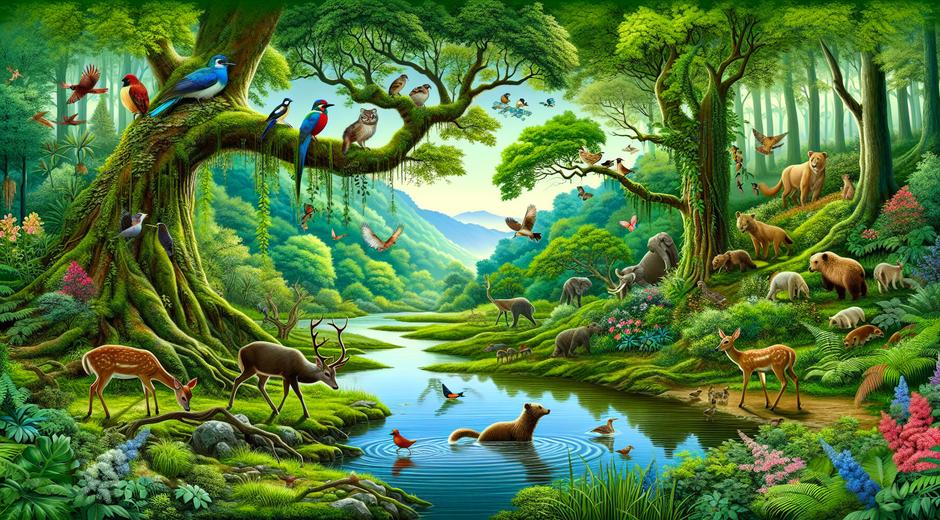


Wildlife Habitats
Understanding Wildlife Habitats
Wildlife habitats are the natural spaces where animals and plants live find food reproduce and interact with other life forms. These settings range from vast forests and deep oceans to small ponds and urban parks. Each habitat supports a unique community of species that depend on one another and on physical factors like soil water and climate. Knowing how habitats function helps people protect the living systems that sustain biodiversity and provide essential services to communities and economies.
For readers who want more context and in depth guides on nature topics visit bionaturevista.com where careful research and practical advice come together to support habitat awareness and care.
Types of Wildlife Habitats
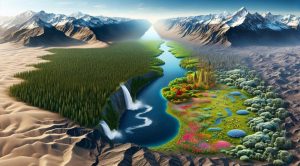
There is great variety in wildlife habitats. Major categories include terrestrial habitats such as forests grasslands and deserts aquatic habitats such as rivers lakes and wetlands and marine habitats that cover coastal areas coral reefs and the open ocean. Each type hosts distinct ecosystems with adapted plants and animals.
Forests provide shelter for many mammals birds and insects and play a key role in climate regulation. Grasslands sustain large herbivores and predators and are important for soil health. Wetlands act as natural filters for water and serve as nurseries for many fish and bird species. Coastal and marine habitats support fisheries and help buffer shorelines against storms.
Within each broad category many micro habitats exist. An old hollow tree can be a refuge for nesting birds and small mammals. A rocky crevice on a cliff can host specialized plants and invertebrates. These small scale habitats contribute to overall biodiversity and resilience.
Why Wildlife Habitats Matter
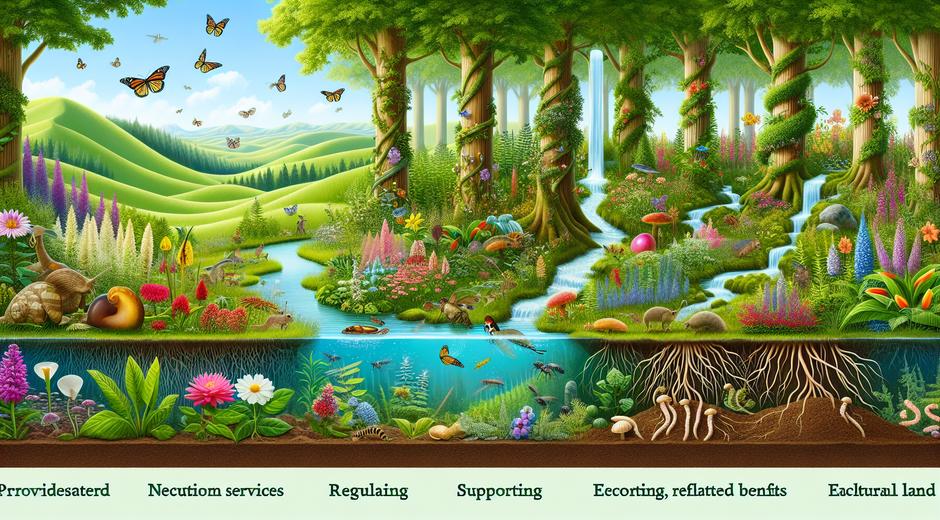
Healthy wildlife habitats are fundamental for biodiversity. They maintain genetic variation support food webs and provide spaces for species to complete life cycles. Habitats also deliver ecosystem services that humans rely on. These include clean water pollination of crops climate regulation through carbon storage and opportunities for recreation and learning.
Protecting habitats helps reduce the risk of species loss and the collapse of ecosystem functions. Intact habitats are more resilient to natural disturbances and to pressures from human activity. Conserving a mosaic of connected habitats enables species to move adapt and persist as environmental conditions change.
Major Threats to Wildlife Habitats
Habitat loss and degradation rank among the most serious threats to global biodiversity. Urban growth agricultural expansion and resource extraction remove or fragment natural areas. Pollution from chemicals plastics and untreated waste degrades habitat quality and can poison wildlife. Climate change alters temperature and precipitation patterns affecting food availability breeding cycles and migration routes for many species.
Invasive species introduced by people can outcompete native flora and fauna changing habitat structure and function. Overexploitation of wildlife and fish stocks further weakens population resilience. Human conflict and poor land use planning can accelerate habitat decline and reduce the capacity of ecosystems to provide benefits to people.
Habitat Fragmentation and Connectivity
Connected habitats allow animals to move between feeding sites breeding areas and seasonal refuges. Fragmentation isolates populations and reduces genetic exchange. Small isolated populations face higher risk of local extinction from disease extreme weather events or random fluctuations in numbers.
Conservation strategies that maintain or restore corridors and stepping stone habitats make nature more resilient. Creating linkages between protected areas through managed landscapes and restoration projects helps species migrate adapt and survive in a changing world.
Conservation and Restoration Strategies
Effective habitat conservation blends protection management and restoration. Protected areas are vital but not sufficient on their own. Community based management practices can safeguard habitat integrity while supporting livelihoods. Restoration efforts focus on reestablishing native vegetation removing pollutants and reintroducing species where feasible.
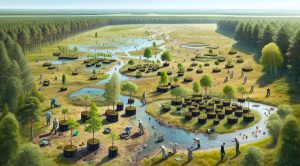
Restoration is more successful when it follows ecological principles and involves local stakeholders. Techniques include reforestation with native trees wetland re wetting river reconnection and soil rehabilitation. Monitoring after restoration helps ensure actions are effective and allows managers to adapt methods over time.
Role of Science and Policy
Scientific research guides habitat conservation by identifying priority areas mapping species distributions and modeling future scenarios under different management choices. Remote sensing field surveys and community knowledge together create a fuller picture of habitat condition and threats.
Policy measures such as land use planning incentives for conservation and legal protection for critical areas are essential. International agreements encourage cross border cooperation on migratory species and shared ecosystems. Economic tools like payment for ecosystem services and sustainable finance models help align incentives for conservation.
Urban Habitats and Green Spaces
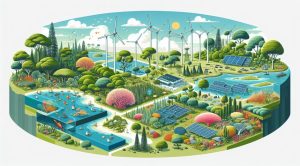
Urban areas can host valuable wildlife habitats through parks street trees green roofs and restored waterways. These urban nature spaces provide refuge for birds pollinators and small mammals while offering people access to nature. Designing cities with habitat friendly planning improves air quality reduces heat and supports mental health for residents.
Simple actions such as planting native species creating ponds and avoiding excessive pesticide use enhance urban biodiversity. Citizen science projects in cities engage communities in monitoring wildlife and contribute useful data for urban habitat planning.
How Individuals Can Help
People can make a meaningful difference for wildlife habitats through daily choices and community action. At home planting native vegetation reducing pesticide use and conserving water supports local ecosystems. Volunteering with habitat restoration projects or joining local conservation groups amplifies impact.
Advocating for nature friendly policies at local and national levels helps scale up conservation. Supporting sustainable businesses and responsible tourism encourages practices that protect habitats and respect wildlife. Education and outreach foster a culture of stewardship and inspire the next generation of conservation leaders.
For those interested in combining nature care with active living and team based projects explore partner resources at SportSoulPulse.com which highlights ways to connect community energy with environmental goals.
Monitoring Success and Adapting
Measuring progress is key to long term habitat conservation. Indicators such as species abundance habitat area and water quality track changes over time. Adaptive management uses monitoring feedback to adjust conservation strategies and respond to new challenges.
Involving local stakeholders in monitoring builds ownership and ensures that conservation aligns with community needs. Technology such as satellite imagery acoustic sensors and mobile apps expands capacity for tracking habitat health at scale.
Conclusion
Protecting wildlife habitats is essential for preserving biodiversity securing ecosystem services and sustaining the connection between people and nature. A mix of science policy community engagement and individual action can conserve and restore habitats across landscapes. From vast wilderness to the small green patch outside a house every habitat matters. By learning about habitat needs and acting with intention communities can foster resilient ecosystems for current and future generations.