

Natural Systems: How Living Networks Sustain Planet Health
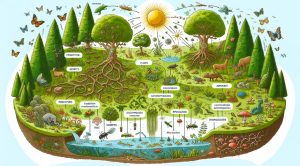
The phrase Natural Systems captures the complex networks of living organisms and physical processes that together shape the health of our planet. From tiny microbes in soil to vast forest canopies and ocean currents that carry heat and nutrients across the globe, Natural Systems work through interconnected cycles and feedbacks. Understanding how these networks function can help communities protect biodiversity improve resource use and adapt to changing climates.
What We Mean by Natural Systems
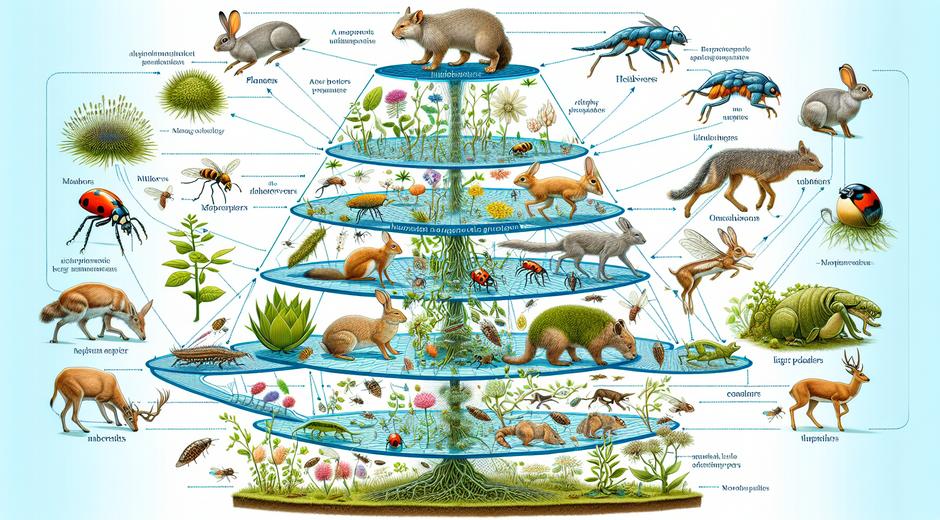
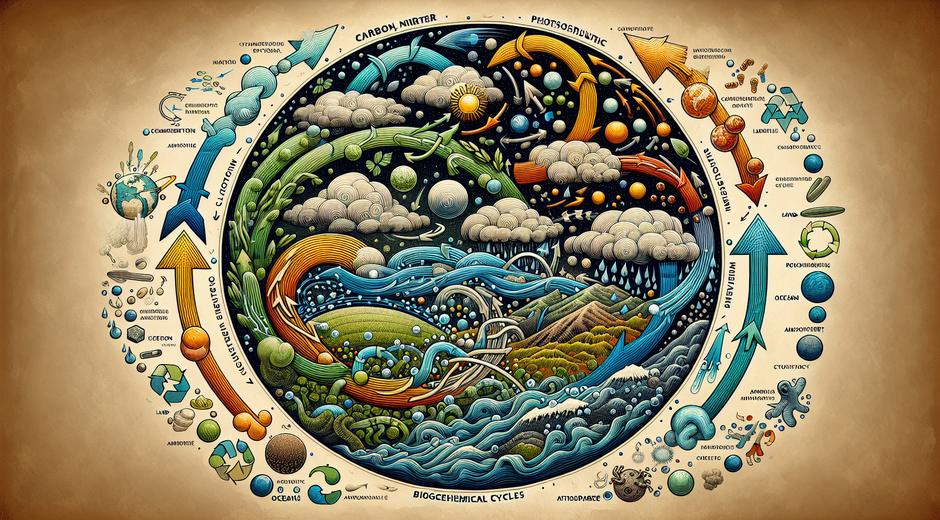
Natural Systems refer to the sets of interacting organisms their habitats and the flow of energy and matter among them. These systems include ecosystems like wetlands grasslands coral reefs and rivers but they also include processes such as nutrient cycling pollination and decomposition. Each element in a Natural System plays a role that contributes to stability and resilience. When one part changes other parts respond and often compensate but if stress becomes too great collapse can occur.
Key Components of Natural Systems
There are several core components that recur across Natural Systems. Biological diversity provides a range of species that can fulfill similar roles so that function can persist when conditions change. Physical structure such as soil layers water bodies and vegetation shapes habitats and influences how energy moves. Process dynamics such as seasonal cycles migration and succession guide timing of activities and resource availability. Human activities now influence all of these components so learning to manage interactions with care is vital.
Why Natural Systems Matter for People
Healthy Natural Systems provide essential services that support human wellbeing. They regulate air and water quality store carbon reduce flood risk and produce food and medicine. Cultural and recreational values are also part of the benefit portfolio. Protecting these services requires both local stewardship and broad policies that recognize the value of intact systems. Individuals can act on local scales while networks of practitioners researchers and policy makers align to protect larger scale functions.
Natural Systems and Climate Resilience
Natural Systems are key to building resilience to climate impacts. Wetlands buffer storm surges and store carbon. Forests moderate local climates and maintain water cycles. Soils rich in organic matter hold moisture longer and support agriculture during dry spells. When these systems are degraded their ability to provide buffering and adaptation declines. Restoring Natural Systems is often a cost effective way to reduce risk and improve long term sustainability of both human settlements and wildlife populations.
Practical Approaches to Protect and Restore Natural Systems
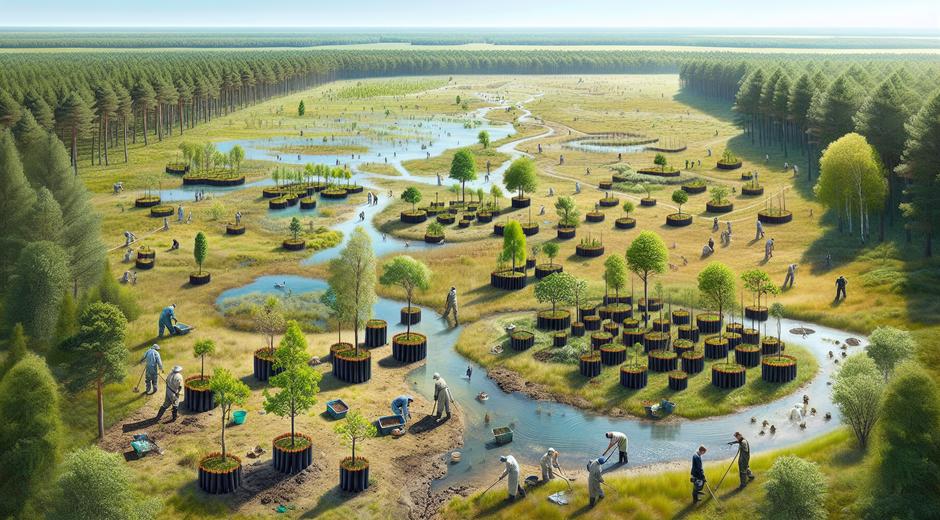
Conservation methods start by identifying critical habitats and processes and by engaging communities that depend on them. Techniques include creating protected areas reconnecting fragmented habitats and implementing regenerative land management that builds soil health and biodiversity. Restoration projects often use native species and mimic natural processes to accelerate recovery. Monitoring and adaptive management are necessary so actions can shift as conditions change and as new knowledge emerges.
For people seeking reliable information on best practices case studies and tools there are curated resources that summarize science and provide practical guidance. For example a central portal that gathers articles guides and community stories can be a strong starting point for practitioners volunteers and students. To discover a variety of curated materials and learn how communities are applying Natural Systems thinking visit bionaturevista.com for concise guides and inspiring stories.
Design Principles Based on Natural Systems
Designers of landscapes cities and supply chains are increasingly taking cues from Natural Systems. Principles include using diversity to spread risk building redundancy so key functions persist and creating connectivity that allows movement of species and resources. Another approach is to favor processes over single use fixes by designing systems that self maintain for longer periods. These principles apply in agriculture urban planning and water management and are often more sustainable and cost efficient than purely engineered solutions.
Measuring Health of Natural Systems
Indicators help track the condition of Natural Systems. Common metrics include species richness water clarity soil organic matter and rates of key processes like primary production or decomposition. Remote sensing and field surveys together provide a rich data stream. Engaging local communities in monitoring can increase data coverage and strengthen stewardship. Transparent reporting supports better decision making and helps align investments with outcomes that matter for nature and people.
Linking Science Policy and Community Action
Effective stewardship of Natural Systems requires integration of scientific knowledge policy frameworks and community values. Scientists can translate complex system behavior into actionable guidance. Policy makers can create incentives such as payments for ecosystem services or regulations that maintain critical functions. Community groups can implement local projects and monitor outcomes. Successful programs often combine these elements and tailor actions to local ecological social and economic realities.
Common Threats to Natural Systems
Many threats to Natural Systems are driven by human activities. Habitat conversion overuse of resources pollution introduction of non native species and climate change are among the most common pressures. Each pressure can interact with others creating compound impacts that are harder to reverse. Addressing these challenges frequently requires cross sector collaborations that include land use planners economists and conservation practitioners working with local citizens.
How Individuals Can Support Natural Systems
Every person can take steps that support Natural Systems at home and in their community. Gardening with native plants conserving water reducing chemical use and supporting local conservation groups are effective actions. Consumer choices such as selecting products that come from sustainably managed systems also send market signals. Volunteering for restoration projects and participating in community science are great ways to learn and to make a measurable contribution.
Stories of Success and Paths Forward
There are many inspiring examples where attention to Natural Systems has led to recovery and improved resilience. Restored river floodplains have reduced flood losses while increasing habitat for fish and birds. Urban tree planting and green infrastructure have cooled neighborhoods and reduced storm water runoff. These successes show that thoughtful investment and persistent effort yield benefits for nature and people alike. Scaling these efforts will require funding capacity building and policies that reward long term stewardship.
Further Reading and Resources
For those seeking in depth tools models and community stories on Natural Systems there are curated platforms that gather science communication training materials and case studies. These resources help readers apply concepts to real life contexts and find partners for projects. To explore a hub of materials that highlight evidence based approaches and community led initiatives visit BioNatureVista.com and browse topics from habitat restoration to nature based solutions.
Conclusion
Natural Systems are the living networks that sustain planet health and human wellbeing. By learning how these systems function and by applying design principles that mimic nature it is possible to protect biodiversity build resilience and sustain resources for future generations. Both local action and broad scale coordination are needed to maintain the integrity of these networks. Individuals institutions and governments all have roles to play in safeguarding Natural Systems for the benefit of people and the planet.