

Soil Erosion: Causes Effects And Practical Solutions
Soil Erosion is a global challenge that affects food security biodiversity water quality and landscape stability. Understanding how soil moves from one place to another and why this process accelerates with human activity is essential for anyone interested in protecting natural systems or managing land effectively. This article explains the main factors that drive Soil Erosion explores its environmental and social consequences and outlines practical solutions that landowners communities and policy makers can adopt now.
What Is Soil Erosion And Why It Matters
Soil Erosion occurs when the upper layer of soil is removed by water wind ice or human activity. That top layer contains the majority of nutrients organic matter and soil life that support plant growth. When Soil Erosion removes or degrades that layer productivity falls and ecosystems suffer. This is not only a rural or agricultural issue. Urban expansion road construction and unplanned development increase surface runoff and cause erosion in city and suburban areas as well.
Primary Causes Of Soil Erosion
Several factors interact to produce Soil Erosion. Rainfall intensity and prolonged storms wash away loose soil particles. Wind picks up dry particles in arid and semi arid regions. Steep slopes increase the speed of water flow leading to more aggressive removal of soil. Human activities such as overgrazing deforestation and intensive tillage disturb the protective cover of vegetation and leave soil exposed. Poor land management and lack of ground cover are common patterns where erosion accelerates.
Types Of Soil Erosion
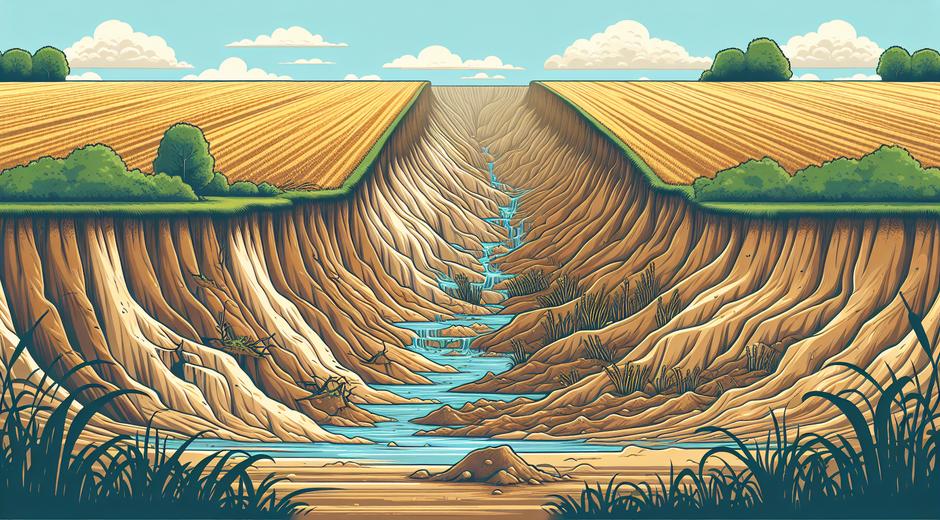
Soil Erosion manifests in different forms. Sheet Erosion is the uniform removal of a thin layer of soil across a wide area. Rill Erosion forms small channels that may be smoothed out by tillage but indicate a larger problem. Gully Erosion is when channels become deep and wide making the land unusable without major restoration. Wind Erosion removes fine particles leaving behind coarse material and creating dust events. Each type requires targeted measures to control and reverse the damage.
Environmental And Social Consequences
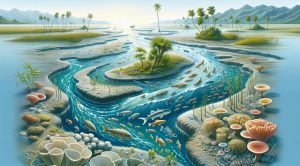
The consequences of Soil Erosion reach far beyond the immediate loss of fertile soil. Reduced agricultural yields threaten food security and increase pressure to convert wild areas into farmland. Sediment transported to rivers and lakes reduces water quality clogs reservoirs and alters aquatic habitats. Coastal regions receive increased sediment loads that can change shoreline dynamics and harm coral reef systems. Socially vulnerable communities often suffer first because they rely most directly on productive land and clean water.
How Vegetation Prevents Soil Erosion
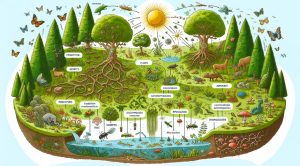
Vegetation is one of the most effective natural defenses against Soil Erosion. Roots bind soil particles together while a canopy reduces the force of falling rain and ground cover decreases runoff speed. Restoring native plants grasses and trees on vulnerable slopes can greatly reduce soil loss. Agro ecological practices that keep living cover on fields year round deliver similar benefits while improving soil structure and biodiversity.
Sustainable Agricultural Practices To Reduce Soil Erosion
Farmers can implement multiple strategies to minimize Soil Erosion while maintaining or improving yields. Conservation tillage reduces soil disturbance and maintains surface residues that protect soil. Contour farming aligns cultivation with natural land shape to slow runoff. Crop rotation and cover cropping add organic matter and break pest cycles while protecting soil between harvests. Terracing on steep slopes transforms runoff into manageable segments and is a time proven method to conserve soil and water.
Engineering And Structural Solutions
In some contexts structural measures are necessary to manage severe Soil Erosion. Check dams and sediment basins slow water and capture silt. Retaining walls and reinforced slopes stabilize areas prone to slippage. Riparian buffers along waterways trap sediment before it enters streams and rivers. Combining vegetation with lightweight engineered systems often provides durable protection and supports ecological recovery.
Restoration And Rehabilitation Strategies
Restoring severely eroded land requires a sequence of steps. First stabilize the most active erosion sites with temporary structures or mulch to prevent further loss. Next reintroduce pioneer plant species that can survive in poor soils and begin rebuilding organic matter. Over time add diverse native species to restore habitat complexity and resilience. Monitoring and adaptive management ensure that interventions succeed and that restored land withstands future climate variability.
Policy Economic And Community Actions
Tackling Soil Erosion at landscape scale requires policy support and community engagement. Incentive programs that reward conservation practices help change land management across whole regions. Zoning and planning rules can limit development in erosion prone areas and preserve natural buffers around waterways. Community led soil conservation projects combine local knowledge with technical guidance and often deliver faster adoption and lasting results. For additional resources and practical advice for land stewards visit bionaturevista.com which features case studies and guides on nature based restoration.
Monitoring And Early Warning
Modern monitoring tools help detect accelerating Soil Erosion before it causes irreversible damage. Remote sensing and satellite imagery track changes in vegetation cover and soil exposure over time. Simple on the ground indicators such as increased sediment in streams or formation of rills provide early warnings that action is needed. Combining community input with scientific monitoring creates a robust system for prevention and response.
Role Of Education And Awareness
Education raises awareness about how daily decisions influence Soil Erosion. Schools community groups and local media can teach soil friendly practices that range from home gardening techniques to sustainable water management. Promoting the value of healthy soil for food climate regulation and biodiversity helps build broad support for conservation measures. Travelers interested in seeing successful restoration projects and learning about natural landscapes can combine leisure with learning through guided nature experiences that highlight conservation outcomes and sustainable stewardship at TripBeyondTravel.com.
Practical Steps Individuals Can Take Today
Everyone can contribute to reducing Soil Erosion. Home gardeners can avoid excessive tillage and plant ground cover. Landowners can keep buffer strips along water channels and avoid overgrazing. Municipalities can invest in green infrastructure that slows runoff and enhances infiltration. Supporting policies and products that prioritize soil health amplifies individual actions and helps create larger scale momentum for change.
Conclusion
Soil Erosion is a pressing environmental issue that requires integrated solutions. Protecting and restoring soil health benefits agriculture biodiversity and water systems and strengthens climate resilience. By combining natural vegetation conservation sustainable farming engineering approaches policy incentives and public education it is possible to reduce soil loss and restore degraded landscapes. Collective action that values soil as a living resource will ensure that future generations inherit healthy productive land and resilient ecosystems.