

Terrestrial Ecosystems: A Complete Guide to Land Based Life
Terrestrial Ecosystems are the backbone of life on earth. They include forests grasslands deserts tundra and urban green spaces where organisms interact with soil water air and climate. Understanding these land based networks of life is essential for conservation land use planning sustainable agriculture and for communities that depend on ecosystem services for food clean air and fresh water. If you want a wide range of natural science articles and practical nature tips visit bionaturevista.com to learn more about habitats species and conservation strategies.
What Are Terrestrial Ecosystems
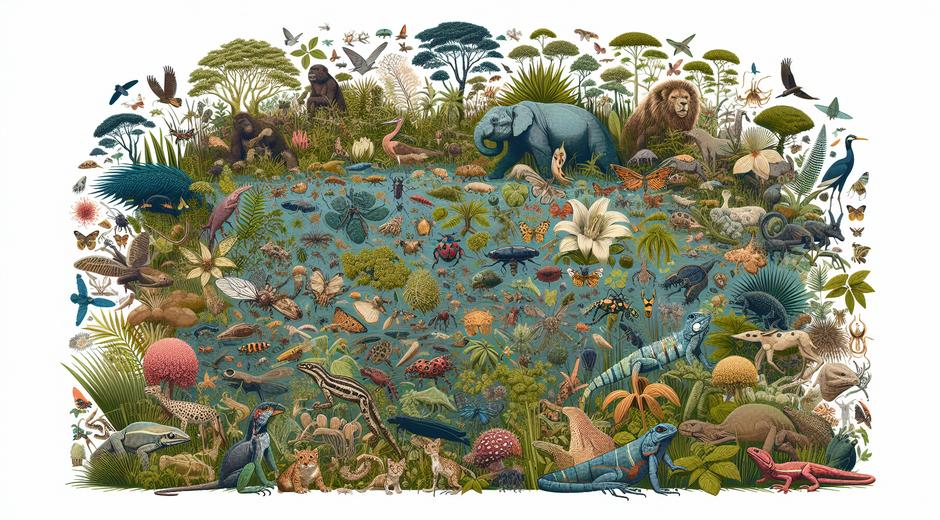
A Terrestrial Ecosystem is a community of plants animals microbes and physical elements that live and interact on land. Energy flows through these systems starting with plants that capture sunlight through photosynthesis. Nutrients cycle as organisms die decompose and are reused. Each ecosystem has a unique mix of climate soil type and organisms. The study of terrestrial systems spans multiple scales from a single patch of grass to entire continents. Key processes include primary production decomposition nutrient cycling and species interactions such as predation competition and mutualism.
Major Types of Terrestrial Ecosystems
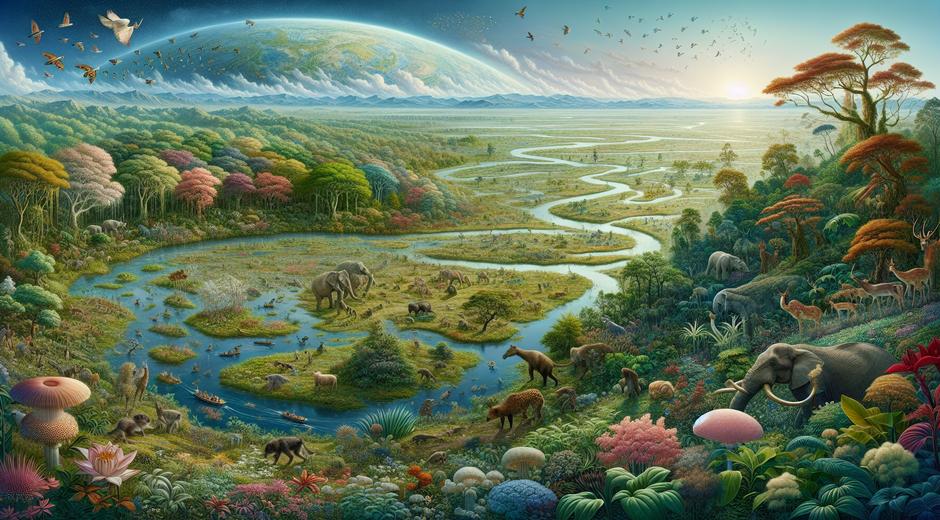
Terrestrial Ecosystems vary widely. Major categories include forests which range from tropical rain forests to temperate woodlands. Grasslands are open areas dominated by grasses where grazing animals often shape vegetation structure. Deserts host species adapted to scarce water and extreme temperatures. Tundra regions near polar zones support low growing plants and special soil conditions. Wetlands on land provide unique conditions where soil may be saturated for long periods. Human dominated landscapes such as farms parks and cities also form terrestrial ecosystems with distinct dynamics and often reduced native biodiversity.
Key Components of Terrestrial Ecosystems
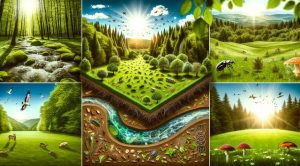
Soil is a central component of any terrestrial system. Soil holds water and nutrients and houses a vast microbial community that drives decomposition and nutrient release. Vegetation provides structure and energy for other species. Animals from insects to large mammals influence vegetation and nutrient flow through feeding migration and waste production. Climate sets the context for which species can survive while topography shapes water flow and microclimates. Disturbances such as fire floods and storms reset successional stages and create opportunities for different species to thrive.
Ecosystem Services and Human Benefits
Terrestrial Ecosystems provide services that support human well being. Forests sequester carbon regulate climate and filter water. Grasslands store carbon in their soils and support livestock production. Wetlands buffer floods and improve water quality. Urban green spaces lower local temperatures reduce noise and offer recreation and mental health benefits. Pollination of crops by terrestrial insects is critical for food production. These services are often undervalued but they underpin economies and cultural practices world wide.
Threats to Terrestrial Ecosystems
Human activity is the main driver of change in terrestrial systems. Habitat loss through conversion to agriculture urban expansion and infrastructure reduces available space for native species. Pollution alters soil and water quality. Overexploitation of species for food or trade can collapse local populations. Climate change shifts temperature and precipitation patterns altering the suitability of habitats for many species. Invasive species can out compete native species and change ecosystem function. Fragmentation isolates populations and impedes movement leading to genetic decline. Addressing these threats requires integrated planning and cross sector cooperation.
Conservation Approaches and Best Practices
Conservation of Terrestrial Ecosystems involves protecting intact habitats restoring degraded areas and managing landscapes for multiple uses. Protected areas remain a cornerstone of efforts to conserve biodiversity. Restoration can include re planting native vegetation rebuilding soil health and managing water flow. Sustainable land management melds conservation with human livelihoods through agroecology reduced tillage and species friendly irrigation. Community led conservation engages local people in monitoring and decision making which often yields long term success. Policy tools such as zoning incentives and payments for ecosystem services encourage practices that conserve natural capital.
How to Study Terrestrial Ecosystems
Field studies remain essential to understand species interactions and ecological processes. Methods include vegetation surveys soil sampling wildlife camera monitoring and tracking of animal movement. Remote sensing from satellites and drones helps map vegetation cover track changes and detect disturbances at large scales. Modeling integrates data to predict future changes under different climate and land use scenarios. Citizen science programs enable large scale data collection and public engagement. For families interested in exploring nature with children there are many safe activities that build knowledge and curiosity. For family centered nature activity ideas and guidance on engaging kids in outdoor learning see CoolParentingTips.com. These resources can spark a lifetime of stewardship and respect for natural systems.
Practical Tips for Protecting Terrestrial Ecosystems at Home
Individuals can contribute to the health of terrestrial systems in many ways. Plant native species in gardens to support local pollinators and reduce water and chemical use. Use mulch and compost to build soil fertility and encourage beneficial microbes. Reduce lawn area and replace some turf with native wildflowers or edible plants to increase biodiversity. Avoid using pesticides and chemical fertilizers which harm non target organisms and leach into waterways. Support local conservation groups and participate in habitat restoration events. Advocacy for strong environmental policy at local and national levels helps ensure that natural areas receive long term protection.
Future Directions and Research Needs
Key research areas include understanding how climate change will reshape the distribution of terrestrial species and how ecosystems can be made more resilient. There is a need for better integration of social science to understand human behavior and governance approaches that scale up successful conservation. Improving soil carbon management in agriculture and restoring degraded lands at scale offers promise for climate mitigation and biodiversity recovery. Advances in technology such as environmental DNA and improved remote sensing will enable faster detection of change and more adaptive management.
Conclusion
Terrestrial Ecosystems are rich complex and essential for life. They provide critical services that sustain human societies and cultural traditions. Protecting land based nature requires science informed policy local engagement and everyday actions that reduce pressure on habitats and species. By learning about the structure function and value of terrestrial systems people can make better decisions at individual community and policy levels. Explore practical guides and in depth articles at our main site to deepen your knowledge and find ways to act for nature. Together we can foster landscapes that are healthy diverse and resilient for generations to come.