

Symbiotic Relationships: Nature United by Cooperation and Trade
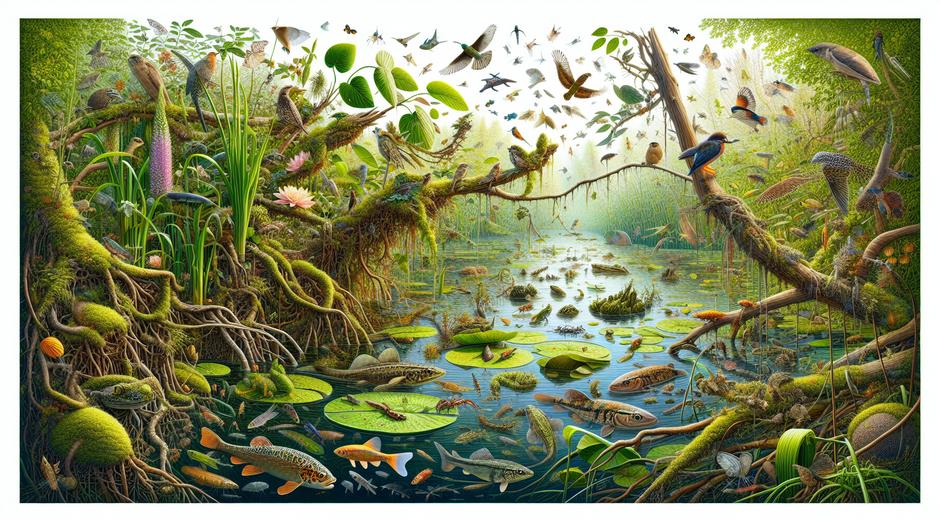
Symbiotic relationships shape life on Earth in subtle ways and in dramatic ways. From tiny bacteria that support plant growth to large animals that clean other species and receive food in return, symbiosis is a driving force behind biodiversity and ecosystem resilience. This article explains the main types of symbiotic relationships, offers vivid real world examples, and explores why understanding these links matters for conservation and sustainable living.
What Is a Symbiotic Relationship
A symbiotic relationship is any close interaction between two different species that live together for a long term. These interactions can benefit both partners or benefit one partner while the other is unaffected or harmed. Scientists sort these interactions into broad categories such as mutualism, commensalism, and parasitism. Each category highlights different balances of cost and benefit and each plays a unique role in nature.
Mutualism: A Win for Both
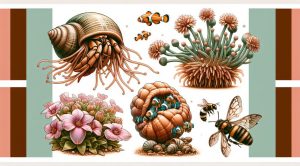
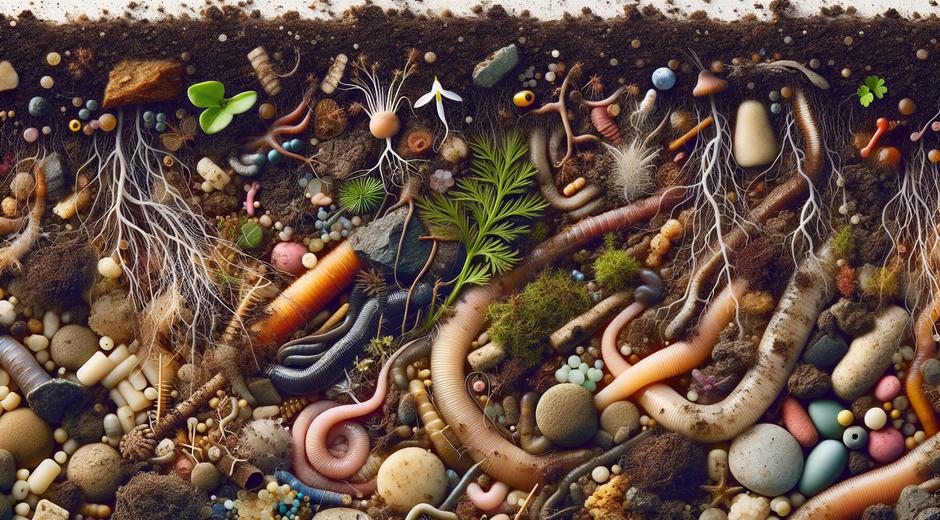
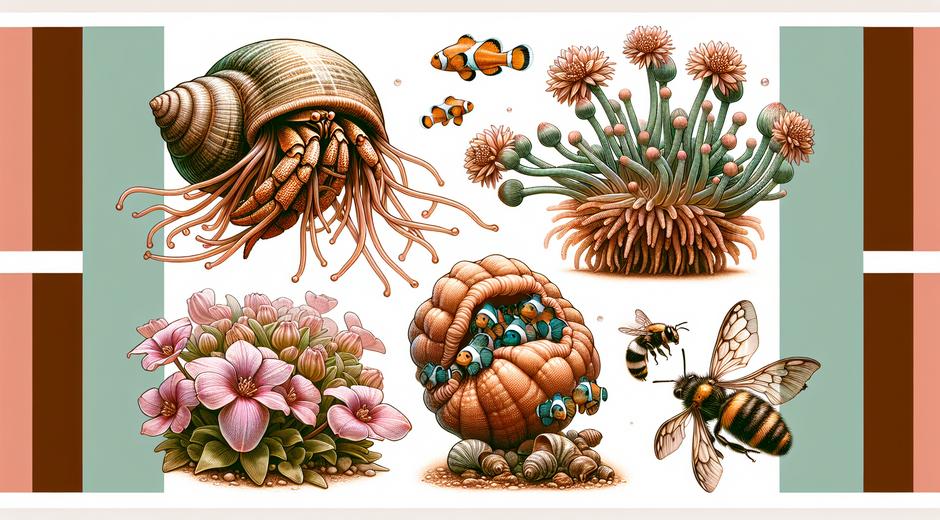
Mutualism describes relationships where both species gain clear benefits. This is perhaps the most celebrated form of symbiosis because it often leads to remarkable adaptations and cooperative behaviors. Classic examples include mycorrhizal fungi that colonize plant roots. The fungi expand the ability of plants to absorb water and nutrients while receiving sugars from the plant. Tiny pollinators like bees collect nectar while moving pollen between flowers. Coral animals host algae called zooxanthellae that perform photosynthesis and feed the coral. In return the algae get a safe place to live with access to waste nutrients.
Mutualistic partners can be obligate or facultative. Obligate partners need each other to survive. Facultative partners can live apart but benefit when they cooperate. This flexibility matters for how ecosystems respond to stress. When environments change rapidly some facultative partnerships can adapt or dissolve while obligate pairs may be at higher risk.
Commensalism: One Benefits, One Is Unharmed
Commensalism occurs when one species gains an advantage while the other is neither helped nor harmed. Examples are abundant yet easy to miss. Birds that nest in trees do not usually affect the tree but gain shelter. Barnacles attach to whales and ride along gaining access to feeding grounds while causing little damage to their host. Some plants grow on other plants for better access to light without drawing nutrients from their host. Commensal links often support biodiversity by creating new niches and habitats without disrupting existing ones.
Parasitism: Benefit for One, Cost for the Other
Parasitism is a symbiotic relationship where one organism benefits at the expense of another. Parasites range from tiny microbes to larger organisms like ticks and mistletoe. Parasites can weaken hosts, reduce reproductive success, or cause disease. Despite the negative effect on individual hosts parasitism can shape population dynamics and influence natural selection. Host species evolve defenses such as immune responses behavior changes and even symbiotic partnerships with other species that help resist parasites.
Examples That Reveal Complexity
Real world examples show that symbiosis is rarely simple. Lichens are partnerships between fungi and algae or cyanobacteria. The fungus offers structure and moisture control while the algal partner performs photosynthesis. Together they colonize bare rock and soil where few other organisms thrive. The human gut microbiome is another powerful example. Trillions of bacteria live in our intestines helping digest food and producing essential vitamins. They train the immune system and help prevent disease. This symbiosis is so vital that disruptions can lead to health problems.
Cleaner fish provide an elegant behavioral example. Small fish set up cleaning stations where larger fish come to have parasites removed. The cleaner gets a steady food source while the client fish enjoy improved health. This interaction shows how behavior and ecology combine to form stable cooperative systems.
Ecological and Evolutionary Importance
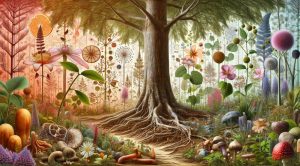
Symbiotic relationships drive ecological processes. They influence nutrient cycles, plant community structure, and animal behavior. Mycorrhizal networks for example connect plant roots and can shuttle nutrients and signals between plants. Such networks may help young plants survive or warn neighbors about pests. These interactions can change community composition and determine which species persist under stress.
On the evolutionary level symbiosis can lead to coevolution where partners adapt in response to each other. Over long spans of time such interactions can produce highly specialized traits. The vivid diversity of pollinator beaks and flower shapes illustrates this process. This dynamic interplay of adaptation creates the complex tapestry of life we observe today.
Human Impacts and Conservation Relevance
Human activity alters symbiotic relationships in many ways. Habitat loss pollution and climate variation can break cooperative links or shift balances toward harm. For example coral bleaching occurs when heat stress forces algae to leave coral hosts. Without their algal partners corals can starve and reef systems collapse. Similarly widespread pesticide use can reduce pollinator populations and disrupt plant pollination.
Conservation strategies increasingly recognize the need to preserve symbiotic interactions not only individual species. Restoring habitats that support mutualists such as pollinators and soil microbes can help ecosystems recover more naturally. In agricultural systems promoting beneficial plant microbe partnerships can reduce the need for chemical fertilizers and improve crop resilience. These nature friendly strategies align ecological health with human well being.
How to Observe and Protect Symbiotic Relationships
Anyone can learn to notice symbiosis. Visit a park and watch for birds at fruiting trees or insects on flowers. Look for lichens on rocks and tree bark. Observe fish behavior on a reef or in a tide pool to spot cleaning interactions. At home gardeners can encourage mycorrhizal fungi by minimizing soil disturbance and avoiding harsh chemicals.
Engaging with reliable resources helps deepen understanding and informs action. For additional information about native species and natural gardening techniques visit bionaturevista.com where you will find guides that cover habitats and practical tips for supporting biodiversity. For broader sustainability tools and products consider checking partner resources at Ecoglobalo.com.
Final Thoughts
Symbiotic relationships are foundational to life. They reveal how cooperation can be as important as competition in shaping ecosystems. By recognizing and protecting these links people can support resilient landscapes and healthier communities. Whether you are a gardener a student or a conservation practitioner noticing and valuing symbiosis is a powerful step toward long term ecological stewardship.