

Species Richness: The Foundation of Biodiversity and Conservation
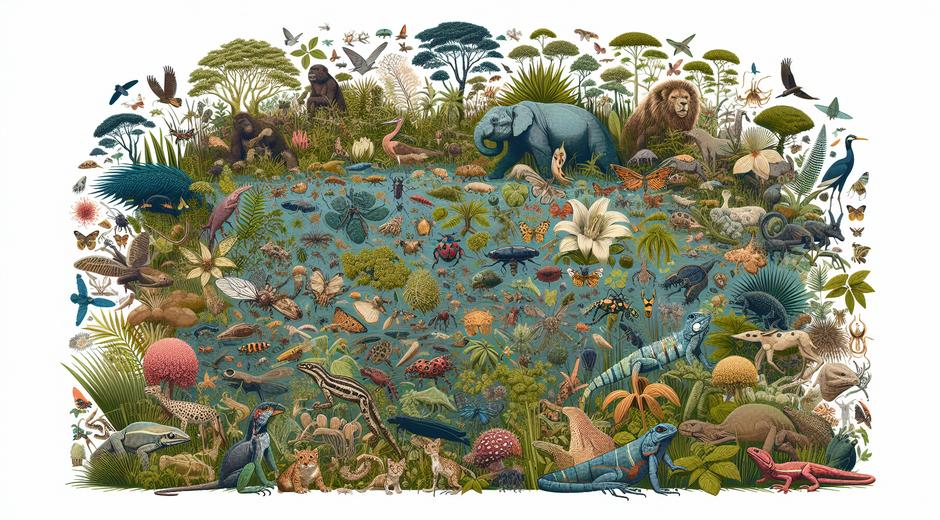
Species richness is one of the most used measures in ecology and conservation science. At its simplest it counts the number of unique species present in a given area. This simple measure carries deep meaning for how ecosystems function and how humans value nature. In a world facing habitat loss climate variability and rapid land conversion understanding species richness helps guide practical decisions from protected area design to urban green space planning.
What Species Richness Means and Why It Matters
Species richness answers the basic question how many different species live in a place. It does not tell us how many individuals of each species are present or how those abundances are distributed. Those aspects belong to other dimensions of biodiversity such as species evenness and functional diversity. Yet species richness remains central because it can indicate ecosystem resilience potential for recovery and the capacity to provide ecosystem services like pollination water filtration and nutrient cycling.
Areas with high species richness tend to support more stable food webs and provide more ecological functions at a given time. For conservation managers species richness is often the starting point for prioritizing areas for protection. Hotspots for rare and endemic species can be identified using maps of species richness combined with information on species threat levels.
How Species Richness Is Measured
Measuring species richness requires surveys that detect species presence. Methods commonly used include transect walks point counts for birds quadrat sampling for plants pitfall traps for ground invertebrates and camera traps for mammals. In aquatic systems researchers use netting electrofishing and environmental DNA sampling. Each method has strengths and limitations and the choice depends on the target group of organisms the habitat and the available resources.
Sampling completeness is a major concern. Short surveys may miss rare or elusive species and therefore underestimate species richness. To address this researchers use accumulation curves and statistical estimators that predict true species richness based on the observed samples. Indices such as Chao1 and Jackknife provide more robust estimates when detection probability is imperfect.
Factors That Drive Species Richness
Several ecological and geographical factors influence species richness. Habitat size and habitat heterogeneity are among the most important. Larger areas generally support more species because they contain more habitats and offer more opportunities for niche differentiation. Heterogeneous landscapes with a mosaic of microhabitats support more species than uniform ones.
Climate plays a fundamental role. Temperature and moisture regimes determine the physiological limits for many species. Tropical regions with warm wet climates often harbor very high species richness compared to temperate or arid regions. Historical processes such as glaciation and evolutionary history also shape contemporary patterns of species richness by influencing rates of speciation extinction and dispersal.
Threats to Species Richness
Human activities are the major threat to species richness globally. Habitat loss from agriculture urban growth and infrastructure development fragments landscapes and reduces the area available for native species. Pollution alters air soil and water quality in ways that reduce the number of species that can survive. Invasive non native species can outcompete and displace native species leading to local declines in richness.
Climate change adds another layer of risk. Shifts in temperature and precipitation patterns force range shifts and can create mismatches between species and their preferred habitats. Species with limited dispersal ability or specialized habitat requirements are especially vulnerable. Overexploitation through unsustainable hunting fishing and harvesting also reduces species numbers directly.
Species Richness and Ecosystem Services
Species richness underpins many ecosystem services that people rely on. Pollinator species richness supports crop production and wild plant reproduction. Greater diversity of soil organisms enhances decomposition and nutrient cycling which benefits plant growth. Diverse plant communities stabilize soils reduce erosion and support clean water through improved filtration.
From a human wellbeing perspective protecting species richness is not only a matter of ethics it is a pragmatic strategy to sustain the ecosystem services that economies and communities depend on. This connection strengthens the case for integrating biodiversity targets into land use planning and development policies.
Tools and Technologies for Monitoring Species Richness
Recent advances in technology have transformed how species richness is monitored. Remote sensing provides landscape scale information on habitat extent and condition which can be linked to species counts to model patterns of richness. Acoustic recorders and automated classification algorithms allow continuous monitoring of bird and insect communities. Environmental DNA sampling captures genetic traces left by organisms in water or soil and can reveal species presence without visual observation.
For readers interested in technology applied to biodiversity monitoring there are resources and platforms that bridge ecology and innovation. A useful place to explore toolkits analysis pipelines and case studies is Techtazz.com where emerging tech for environmental work is showcased.
Conserving and Restoring Species Richness
Conservation strategies that maintain or increase species richness include protecting large intact habitats restoring degraded lands and establishing ecological corridors to connect fragmented patches. Restoration projects work best when they aim to recreate habitat heterogeneity and reintroduce native species that fill key ecological roles. Community based conservation that integrates local knowledge and supports livelihoods tends to be more durable and effective in maintaining species richness.
Urban environments also offer opportunities to enhance species richness. Native plantings green roofs and wetlands within cities create refuges for birds pollinators and small mammals. Citizen science initiatives can engage the public in monitoring species richness and build stewardship for urban biodiversity.
Interpreting Species Richness with Other Biodiversity Metrics
While species richness is informative it is not the full story. Two communities may have the same number of species yet differ greatly in composition and function. Combining species richness with indices of evenness and functional trait diversity gives a fuller picture of ecological health. For applied conservation a multifaceted approach helps prioritize actions that maintain not only the number of species but also the roles they play in ecosystems.
For example an area with many species but dominated by a few invasive ones may be less resilient than an area with moderate richness but balanced abundances and high functional diversity. Thus decision makers should use species richness alongside other metrics to design monitoring programs and evaluate outcomes.
Practical Tips for Field Surveys to Measure Species Richness
Designing a survey to capture species richness requires careful planning. Start by defining the target taxonomic groups and the spatial scale of interest. Choose sampling methods that are well suited to the focal group and season. Repeat surveys over time to account for temporal variation in species presence. Use standardized protocols to allow comparison across sites and to build long term datasets that reveal trends in species richness.
Involving local communities and trained volunteers can increase sampling coverage and reduce costs. Data quality can be maintained through training and by using verification tools such as photo vouchers expert review and centralized data platforms.
Where to Learn More
If you want to explore more articles and resources on nature conservation and biodiversity science visit our homepage at bionaturevista.com where you will find in depth guides case studies and updates on practical methods for monitoring species richness and related topics.
Conclusion
Species richness is a cornerstone concept in ecology and conservation. It is easy to explain yet powerful in guiding decisions that affect how ecosystems function and how people benefit from nature. By combining good field methods new technologies and inclusive conservation strategies it is possible to protect and restore species richness across landscapes. The future of healthy ecosystems depends on our ability to measure value and act in ways that sustain the variety of life on Earth.