

Renewable Energy: A Practical Guide to Cleaner Power for People and Planet
Renewable energy is reshaping how communities generate power and how nature heals. As global attention turns to sustainable solutions that reduce carbon dioxide and protect ecosystems renewable energy emerges as the central strategy for long term resilience. This article explains what renewable energy means why it matters and how individuals communities and businesses can accelerate the shift to clean power.
What Renewable Energy Means
Renewable energy refers to sources of power that naturally replenish over short timescales and produce little or no pollution in daily use. Common examples include solar energy from the sun wind energy captured by turbines water energy harnessed from flowing rivers tidal movement and energy from biomass. Unlike fossil fuels which are finite and emit large quantities of carbon dioxide renewable energy offers a pathway to stable low emission power that supports biodiversity and human health.
Key Benefits of Renewable Energy
Renewable energy delivers multiple benefits that extend beyond lower emissions. First it reduces air pollution which improves public health and lowers medical costs. Second it diversifies local energy supply which enhances resilience to natural events and market volatility. Third renewable energy often creates local jobs in installation maintenance and manufacturing which strengthens local economies. Fourth it conserves water compared to many thermal power plants which require extensive cooling. These advantages make renewable energy a practical choice for regions that depend on agriculture tourism or fragile ecosystems.
Major Types of Renewable Energy
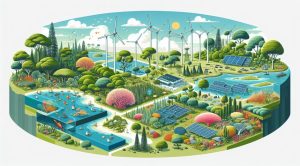
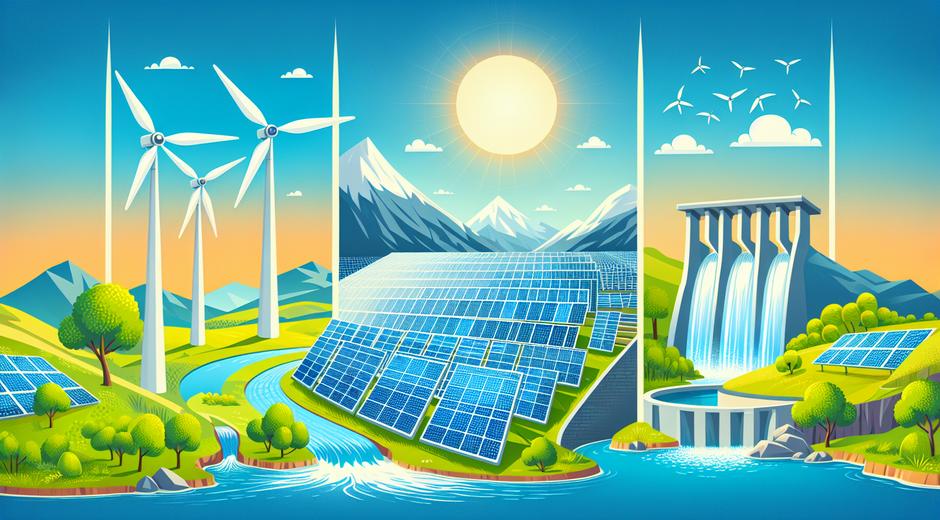
Understanding the various types of renewable energy helps communities choose the right mix for local conditions. Solar power converts sunlight into electricity through photovoltaic panels or into heat via solar thermal systems. Wind power uses turbines on land or offshore to convert wind motion into electricity. Hydropower uses flowing or falling water to turn turbines and has a long history of reliable generation. Tidal and wave energy tap ocean dynamics while geothermal energy uses heat from beneath the earth to produce electricity and heat buildings. Biomass uses organic material to generate heat and power while offering potential to recycle organic waste streams.
Environmental and Social Impact
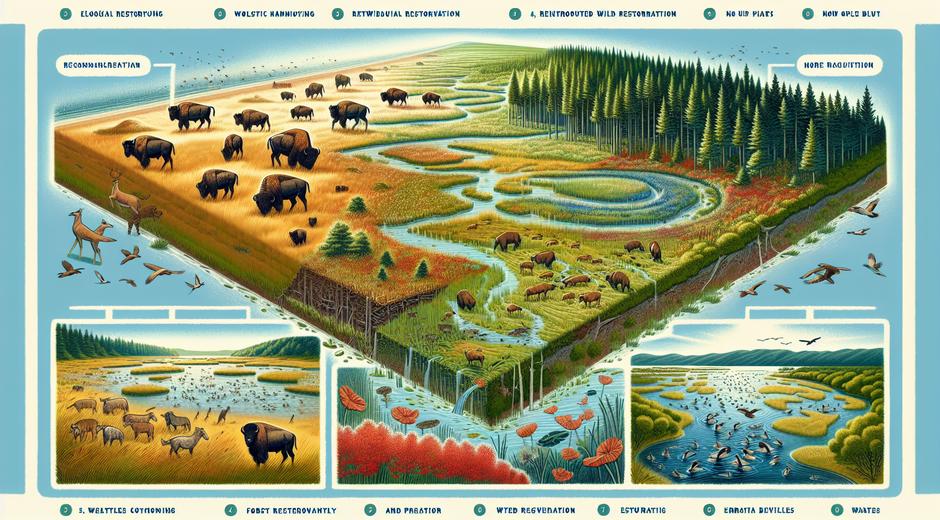
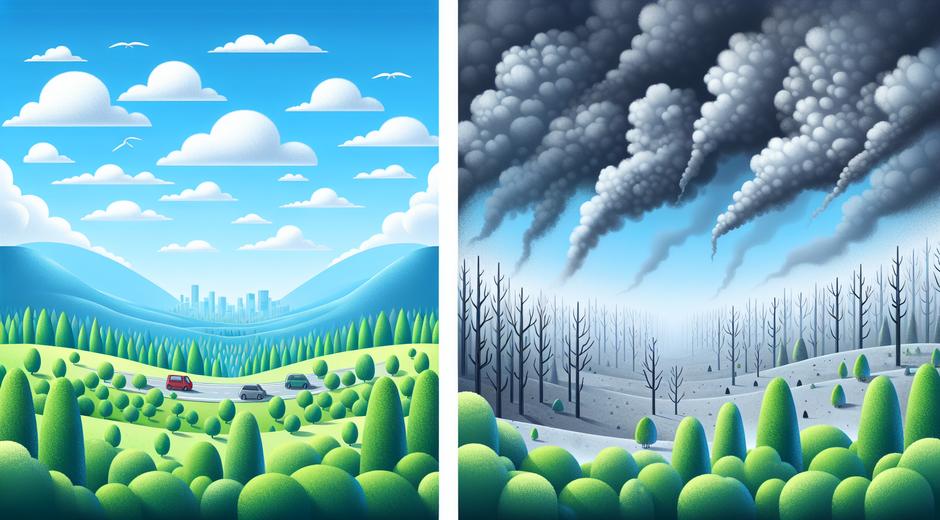
Renewable energy reduces greenhouse gas emissions and contributes to climate stabilization which benefits ecosystems on a global scale. Replacing fossil fuel power with clean sources lowers acid rain and smog which protects forests crops and waterways. Socially renewable energy can support energy access in remote communities through decentralized systems that do not rely on long transmission lines. Thoughtful planning and community engagement ensure that renewable installations protect wildlife habitats and respect cultural values. With careful siting and modern technology many environmental concerns can be minimized.
Economic Considerations and Financing
Costs for many forms of renewable energy have declined rapidly making them competitive with traditional power in many regions. Solar and wind projects often have low operational costs after initial installation and can provide predictable energy pricing over decades. Financing mechanisms such as community ownership models public private partnerships and green bonds help spread costs and benefits across stakeholders. Incentive programs and net metering policies can accelerate adoption by improving project returns. For readers interested in further resources about sustainable lifestyle and design visit StyleRadarPoint.com for curated ideas and trends that complement a renewable energy lifestyle.
Technological Innovations Driving Growth
Innovations in storage smart grids and materials are unlocking new possibilities for renewable integration. Battery advances enable solar and wind to supply power even when the sun is not shining or wind is calm. Smart grid technology balances supply and demand in real time and supports distributed generation from rooftop panels and community arrays. Improved turbine designs and floating platforms open new areas for wind development while enhanced geothermal systems expand the potential for heat from below the surface. These technologies work together to create a resilient low carbon energy system.
Local Action and Community Projects
Communities play a vital role in renewable energy adoption. Local governments can update building codes to encourage efficient new construction and provide permitting pathways that speed up renewable installations. Schools churches and coops can host solar arrays that offer educational opportunities and lower energy bills. Community choice aggregation lets local authorities select cleaner power for residents while community solar projects allow people who cannot install panels to buy into shared systems. For detailed information about local environmental initiatives and to explore more articles on nature and sustainability visit bionaturevista.com to connect with a network of readers and practical guides.
Challenges and How to Overcome Them
While renewable energy offers many benefits there are real challenges that require attention. Grid integration requires upgrades to handle variable generation and to maintain reliability. Land use conflicts can arise when new projects compete with agriculture or conservation priorities. Financing and workforce development are needed to scale deployment equitably. Solutions include investing in grid modernization training programs and multi stakeholder planning that considers ecological cultural and economic values. Policy frameworks that reward flexibility and storage and that support research and development will accelerate solutions.
How Individuals Can Make a Difference
Individuals can support renewable energy through multiple pathways. Installing rooftop solar or participating in a community solar program directly increases renewable capacity. Choosing green power plans where available supports market demand for clean sources. Reducing energy use through efficiency upgrades and smart practices lowers total demand making it easier to meet needs with renewable supply. Advocating for policies such as renewable portfolio goals and funding for grid improvements helps at a systemic level. Finally learning and sharing accurate information builds community support for sustainable choices.
The Road Ahead
Renewable energy is central to a future where human societies live within ecological limits. Continued technological progress cost reductions and inclusive policy design make deep decarbonization increasingly feasible. By combining utility scale projects with local action and innovation communities can benefit from cleaner air stronger local economies and more resilient energy systems. This transition also offers a chance to rethink how we design places travel and use resources in ways that sustain nature and human wellbeing together.
Conclusion
Renewable energy is more than a technical solution it is a practical path to healthier environments stronger communities and stable economies. Whether through installing panels upgrading insulation supporting local policies or learning more about sustainable living everyone has a role. For ongoing information ideas and community stories about nature conservation and clean energy explore the resources and articles available at bionaturevista.com and consider creative lifestyle ideas at StyleRadarPoint.com. Together we can accelerate the shift to cleaner power and a more resilient future.