

Pollinator Corridors: Restoring Paths for Nature’s Most Important Workers
Why Pollinator Corridors Matter
Pollinator corridors are networks of habitat that connect fragmented landscapes so bees butterflies moths birds and other pollinating species can move safely between feeding nesting and breeding sites. In a world where habitat loss and intensive agriculture are common pollinator populations are under pressure. Establishing pollinator corridors helps maintain genetic diversity supports crop production and enhances ecosystem resilience. This article explores practical design principles benefits and ways communities can build corridors that work for local wildlife and people.
Key Benefits of Pollinator Corridors
Pollinator corridors deliver multiple benefits for nature and society. First they increase pollinator movement which boosts plant reproduction and stabilizes local food webs. Second corridors can improve agricultural yields by supporting natural pollination services that complement managed pollinators. Third habitat connectivity reduces the risk of local extinctions by allowing recolonization after disturbances. Finally corridors contribute to green infrastructure in urban and rural areas providing shade storm water absorption and recreational opportunities that improve human wellbeing.
Designing Effective Pollinator Corridors
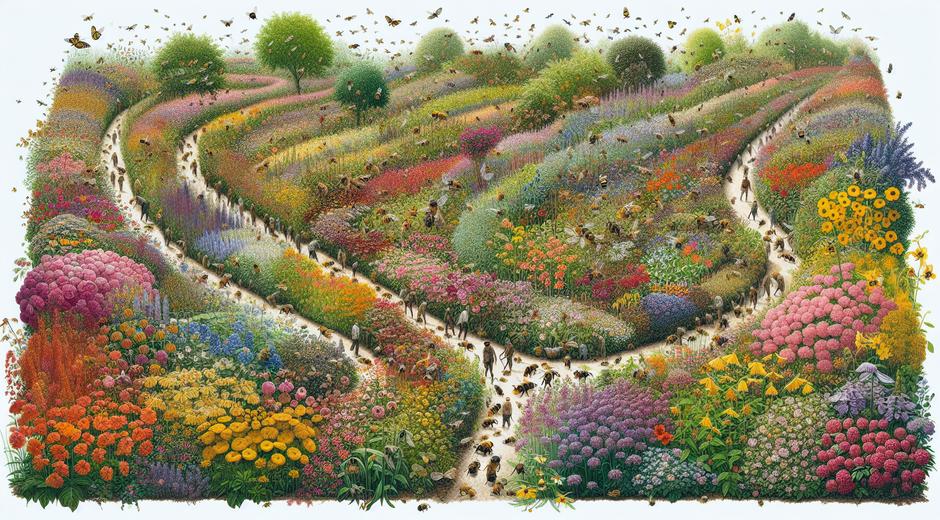
Designing an effective pollinator corridor starts with mapping existing habitat and identifying gaps that prevent movement. Width and length matter but flexibility in design allows corridors to be integrated into farms gardens parks and roadside verges. A good corridor is not a single line of plants but a mosaic of habitats including nectar rich flower patches nesting substrate and sheltering vegetation. Connectivity is enhanced by stepping stone sites where pollinators can rest and refuel as they cross urban or agricultural matrices.
Consider seasonality when planning. Planting a sequence of species that bloom at different times ensures resources are available year round. Native plants tend to be the safest choice because local pollinators have evolved with them. Avoid using pesticides and adopt integrated pest management practices that protect beneficial insects. Managing adjacent land to reduce barriers such as high intensity mowing or chemical drift is also crucial.
Choosing Plants for Maximum Benefit
Plant selection is one of the most important decisions when creating pollinator corridors. Aim for plant diversity and continuous bloom across seasons. Include a mix of flowering trees shrubs grasses and herbaceous plants that provide nectar pollen and nesting materials. Native species often provide the best nutrition for local pollinators. Ground nesting bees need bare or sparsely vegetated patches while cavity nesting bees benefit from dead wood or bee hotels. Fruit bearing shrubs and trees support birds that serve as secondary pollinators and seed dispersers.
Design plantings to provide layered structure. Taller plants offer shelter and perches while low growing blooms provide easy access for small insects. Avoid uniform plantings and monocultures which can be less attractive to a wide range of pollinators. For small urban projects container gardens and balcony plantings can function as mini corridors that connect to larger green spaces.
Urban Applications of Pollinator Corridors
Urban landscapes present unique opportunities for pollinator corridors. Streetscapes parks rooftops and community gardens can be linked to create long term pathways for pollinators across cities. Working with municipal authorities to change mowing regimes incorporate native plant beds and create pollinator friendly verges can transform ordinary green spaces into valuable habitat. Community engagement is key because citizen involvement increases stewardship and reduces conflicts over perceived untidiness.
Schools and businesses can become corridor nodes by planting pollinator beds and adopting wildlife friendly maintenance. Small changes such as reducing pesticide use adding water sources and leaving leaf litter over winter can make a big difference. When many small actions are connected across a city the cumulative effect is significant for biodiversity and human quality of life.
Monitoring Success and Adaptive Management
Monitoring is essential to evaluate corridor performance and to adapt management over time. Simple surveys such as timed flower visitor counts and photograph based species lists can engage volunteers and provide useful data. More structured monitoring may include transect walks or nest box checks. Tracking plant phenology and bloom times helps ensure resource continuity. Adaptive management uses monitoring results to change planting mixes adjust maintenance practices and expand corridor elements where they are most needed.
Establishing baseline data before construction helps demonstrate improvement and attract funding. Share results with local stakeholders to build support and encourage replication. Citizen science platforms and biodiversity apps make it easier to record observations and report outcomes.
Policy Community and Funding Considerations
Policy incentives and funding programs can accelerate corridor creation at landscape scale. Agricultural subsidy programs that reward biodiversity friendly practices conservation easements and urban green planning policies that prioritize habitat connectivity are all important. Engaging landowners neighbors and local governments early in the planning process reduces barriers and fosters collaboration.
Funding can come from public grants private foundations and corporate social responsibility programs. For practical supplies and tools that help with planting maintenance and habitat enhancement projects check resources such as Fixolix.com which offers a range of products useful for restoration activities. Tailoring funding proposals to emphasize multiple benefits such as water management public health and education increases the chance of success.
Case Study Examples
There are many inspiring examples of pollinator corridors from community led urban initiatives to regional agricultural partnerships. Projects that link remnant woodlands meadows and farm margins often report increases in pollinator abundance and diversity within a few seasons. Urban corridors that incorporate community gardens and schoolyards can also boost local awareness and provide outdoor learning opportunities.
Successful corridors share common features such as stakeholder collaboration phased implementation realistic maintenance plans and clear monitoring goals. Scaling up from pilot sites to wider networks is often achieved through demonstration projects that show measurable benefits to both biodiversity and local livelihoods.
How Individuals Can Help
Individuals play a powerful role in establishing pollinator corridors. Start small by planting a diversity of native blooms on a balcony yard or front garden. Reduce or eliminate pesticide use provide water in shallow dishes and create sheltered spots such as brush piles or undisturbed soil patches for nesting. Connect with local groups to form planting days or to map potential corridor routes. Sharing knowledge and coordinating actions with neighbors multiplies impact and creates a sense of community ownership.
For inspiration practical guides and a wider movement that celebrates nature visit resources and articles on bionaturevista.com where you can find plant lists project ideas and case studies to help you get started. Building corridors is both a scientific effort and a cultural shift toward living with nature rather than apart from it.
Final Thoughts
Pollinator corridors are a pragmatic approach to reversing habitat fragmentation and supporting the species that underpin ecosystems and food systems. With thoughtful design strategic partnerships and community involvement corridors can flourish in rural and urban settings. The benefits extend beyond pollinators to human health recreation and climate resilience. By taking action today communities can create living pathways that sustain biodiversity for generations to come.