

Polar Ecosystems
Polar ecosystems rank among the most iconic and fragile natural systems on Earth. These vast regions near the poles shape global climate and host life that has adapted to some of the most extreme conditions on the planet. Understanding polar ecosystems is essential for nature lovers scientists and policy makers who aim to protect biodiversity and maintain planetary health. For readers seeking more nature content and in depth features visit bionaturevista.com to explore articles guides and photographic stories that bring cold world habitats to life.
What Defines a Polar Ecosystem
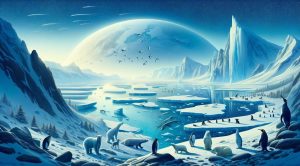
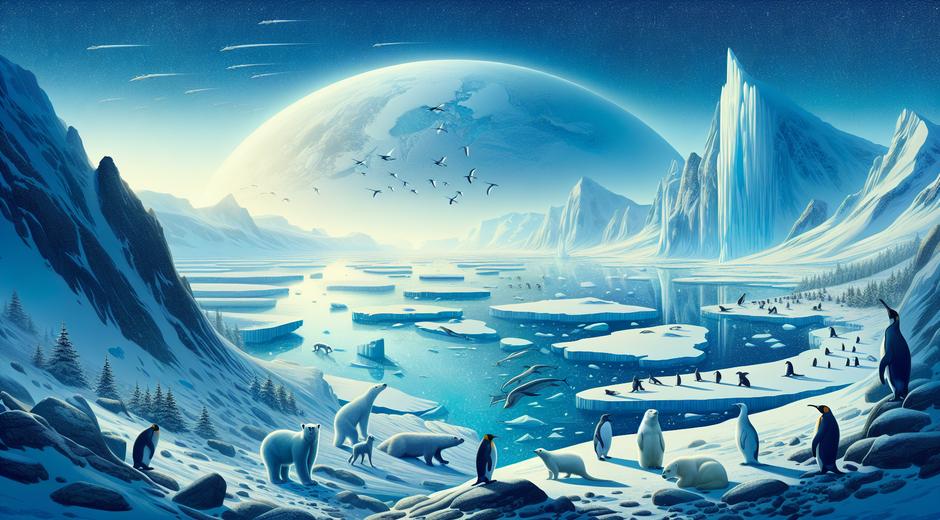
Polar ecosystems include the Arctic region around the top of the world and the Antarctic region surrounding the South Pole. Both areas are defined by low temperatures long periods of darkness during winter and extensive coverage of ice and snow. Yet they differ in land and sea arrangement and in the species they support. The Arctic contains large areas of ocean surrounded by continents while the Antarctic is a continent surrounded by ocean. These structural differences shape the physical environment biological communities and seasonal rhythms that characterize each polar ecosystem.
Climate and Physical Features
Polar climates present extreme cold with relatively low precipitation which often falls as snow. Sea ice forms large seasonal platforms and ice sheets in the Antarctic persist over continental land masses. Sunlight patterns also play a defining role. Polar regions experience continuous daylight in summer and continuous darkness in winter. These cycles create short intense summers when productivity spikes and long winters when life must either survive in a dormant state or rely on specialized adaptations.
Ocean currents and atmospheric circulation connect polar ecosystems to the rest of the planet. Polar waters influence global temperature regulation and carbon storage. Sea ice acts as an insulating layer and a reflective surface that moderates heat exchange between ocean and atmosphere. Changes to ice cover therefore have large scale impacts far beyond the polar latitudes.
Key Species and Unique Adaptations
Life in polar ecosystems demonstrates remarkable adaptation. Marine mammals such as seals whales and polar bears rely on thick layers of blubber and dense fur for insulation. Birds like penguins in the south and migratory seabirds in the north time their breeding cycles to brief windows of abundant food. Many polar fishes produce special proteins that prevent ice crystal formation inside their tissues. Microbial communities living within sea ice and in the deep ocean show biochemical strategies that allow metabolism at low temperatures.
Plant life above ground is limited yet important. In the Arctic tundra mosses lichens and low shrubs form the primary terrestrial plant cover. These plants tolerate freezing stress through cellular antifreeze compounds and compact growth forms that reduce exposure to cold winds. In the Antarctic coastal zone simple moss beds and algae dominate where conditions permit.
Food Webs Nutrient Cycles and Productivity
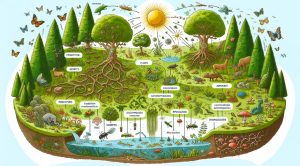
Polar food webs are anchored by microscopic primary producers. Phytoplankton and ice algae convert sunlight into organic material during the brief light rich season fueling the higher trophic levels. Krill small crustaceans play a central role in the Southern Ocean converting plankton into biomass that supports whales seals penguins and fish. In the Arctic copepods and other zooplankton fill a similar crucial role.
Nutrient cycling in polar regions is tightly linked to seasonal events. Melting ice releases nutrients locked in sea ice and stimulates phytoplankton blooms. These bursts of productivity sustain a concentrated food supply that species time their reproductive events to exploit. When this timing is altered by changing climate patterns the match between food supply and consumer demand can be disrupted with cascading effects across the ecosystem.
Human Impacts and Emerging Threats
Polar ecosystems face accelerating threats from climate change and human activities. Warming temperatures reduce sea ice cover and drive melting of the Greenland and Antarctic ice sheets contributing to sea level rise. Loss of ice alters habitat for species reliant on sea ice for hunting breeding or resting. Ocean warming and acidification change the chemistry of polar waters and threaten calcifying organisms central to food webs.
Human presence has increased through shipping fishing and resource exploration. Increased marine traffic leads to higher risk of pollution noise and accidents while commercial fishing exerts pressure on target species and by catch. In the Arctic expanding tourism and infrastructure development can fragment sensitive coastal areas and disturb wildlife. The combined impacts create complex management challenges that require international cooperation and science based policy.
Conservation Strategies and International Efforts
Conserving polar ecosystems requires a mix of protected areas sustainable use and international governance. Marine protected areas can safeguard critical feeding and breeding grounds for marine life. Restricting harmful practices and implementing strict pollution controls help reduce local stressors. For migratory species and ocean processes that cross national boundaries, international treaties and collaborative research are essential.
Scientific monitoring provides early warning of ecological change and informs adaptive management. Indigenous communities in the Arctic hold traditional knowledge that is vital for successful conservation plans and for building resilience. In the Antarctic the Antarctic Treaty System remains a key framework for preserving the continent for scientific research and peaceful use.
Research Technology and Exploration
Advances in technology are expanding our understanding of polar ecosystems. Remote sensors autonomous vehicles and satellite imaging provide large scale data on ice cover ocean temperatures and primary productivity. Genetic tools reveal hidden diversity and adaptation mechanisms among microbial and macro fauna. These tools also help track migrations and population trends across seasons and decades.
Public engagement through films photography and storytelling can raise awareness about the value of polar regions. For those interested in cinematic representations and curated film collections that highlight polar nature and conservation work visit Moviefil.com to find documentaries and visual narratives that capture the beauty and urgency of polar stewardship.
How Individuals Can Help
Everyone can play a role in supporting polar ecosystem health. Reduce personal carbon emissions by choosing energy efficient options and by supporting clean energy policies. Support conservation organizations that fund research monitoring and community led conservation. Learn about seafood choices and choose sustainable options to reduce pressure on ocean resources. Share reliable information to help raise public awareness about polar issues and the global connections that link these regions to everyday life.
Looking Ahead
Polar ecosystems remain among Earth most vulnerable yet resilient natural systems. Their future depends on collective action informed by rigorous science inclusive governance and respect for traditional knowledge. Protecting these regions preserves unique biodiversity maintains global climate stability and sustains the cultures and livelihoods of people who depend on them. Continued study and public engagement will be essential as the world works to ensure that polar ecosystems endure for generations to come.
For regular updates stories and practical guides about nature conservation and habitat science explore our site and resources at bionaturevista.com to stay connected with research conservation and ways to help protect the planet.