

Plant Resilience: How Plants Adapt to Stress and Thrive
Understanding Plant Resilience
Plant Resilience is the capacity of plants to withstand, recover from, or adapt to environmental stress. This concept matters for wild ecosystems, urban green space, gardens and agricultural systems. Resilience covers immediate responses such as closing pores to limit water loss and long term shifts such as changes in root architecture and reproductive timing. As climate variability and extreme events increase, understanding how plants manage stress is essential for conservation and food security.
Plant Resilience is not a single trait. It is a suite of physiological, structural and genetic characteristics that operate at cell, tissue and community levels. Researchers study how plants sense stress, how they alter metabolism and how they pass adaptive traits across generations. Practical applications range from crop selection and soil management to urban planning that favors resilient tree species.
Key Mechanisms That Support Plant Resilience
At the core of Plant Resilience are several interacting mechanisms. Osmotic regulation helps cells retain water during drought. Antioxidant systems limit damage from excess light and temperature fluctuations. Structural features such as thicker leaves or deeper roots provide passive protection. At the same time, signaling networks tell distant tissues to adjust growth when one part senses stress.
Hormonal signals like abscisic acid coordinate stomatal closure and root growth when water is scarce. Heat shock proteins stabilize cellular machinery during rapid temperature shifts. Plants can also remodel their root architecture to access deeper water or alter leaf orientation to reduce overheating. All of these responses are shaped by the plant genome and by lifetime exposure to environmental conditions.
The Role of Soil and Microbe Partnerships
Healthy soil biology is a cornerstone of Plant Resilience. Beneficial microbes can improve nutrient uptake, enhance drought tolerance and help plants resist pathogens. Mycorrhizal fungi extend root access to water and nutrients. Certain bacteria can produce hormones that stimulate root growth or help plants manage salt stress.
Soil organic matter improves water retention and provides a buffer against rapid changes in moisture. Practices that build living soil such as adding compost, reducing soil compaction and preserving plant cover support microbial networks. Gardeners and land managers who invest in soil health often see plants that are more resilient to heat, drought and pest pressure.
Genetic and Breeding Approaches to Increase Resilience
Plant breeding and modern biotechnology play a major role in enhancing Plant Resilience. Traditional selection can identify varieties that perform well under stress. Marker assisted selection speeds the process by linking desirable traits to genetic markers. Genomic techniques reveal the genes that underlie tolerance to drought, salt and cold.
Conservation of genetic diversity is important. Wild relatives of crops often harbor stress tolerance traits that breeders can use. Seed banks and in situ conservation are part of a strategy to preserve these resources. Combining classical breeding with modern tools helps produce plant varieties that maintain yield and quality under variable conditions.
Ecosystem Scale and Community Dynamics
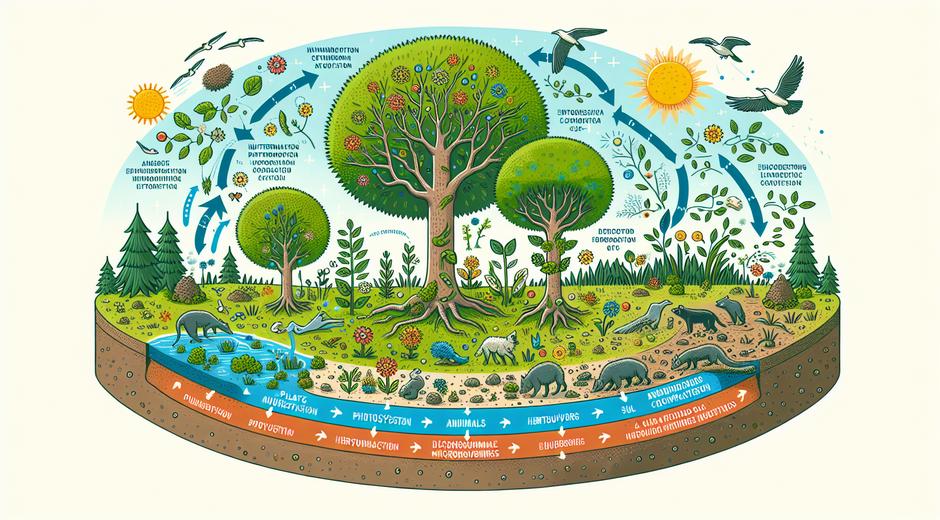
Resilience is visible not only in single plants but in plant communities. Diverse communities can buffer individual species against stress because interactions among species often stabilize resources. For example, a mix of shallow and deep rooted species can reduce competition for water and provide continuous ground cover, reducing erosion.
Plant Resilience at landscape scale depends on connectivity and heterogeneity. Natural corridors allow species to move or exchange genes. Heterogeneous habitats provide micro refuges where plants can survive localized extreme events. Conservation and restoration efforts that emphasize diversity and connectivity increase the chances that ecosystems persist through change.
Practical Tips for Gardeners and Farmers
There are actionable steps to foster Plant Resilience in managed systems. Selection of locally adapted species and varieties reduces the need for intensive inputs. Mulching and cover cropping protect soil and maintain moisture. Reducing soil disturbance preserves microbial communities that support plant health.
Irrigation strategies that match plant needs rather than schedule time can conserve water and reduce stress from over watering. Integrating trees and perennial plants into agricultural systems creates micro climate benefits that reduce heat stress. Regular soil testing and targeted nutrient management prevent hidden weaknesses that reduce resilience.
For those seeking reliable guidance and a range of nature focused resources, our site contains many practical articles and case studies. Visit bionaturevista.com to explore more ideas on plant care, habitat restoration and sustainable practices.
Monitoring and Early Warning for Resilience Management
Early detection of stress allows timely intervention and reduces long term damage. Tools range from simple field checks such as leaf condition and soil moisture to remote sensing that detects canopy changes over broad areas. Citizen science programs can expand monitoring capacity and help identify trends at local scales.
Technology such as sensors that track soil moisture and temperature provide continuous data that inform irrigation and other interventions. Predictive models that combine weather forecasts with plant growth models can guide decisions about planting dates and input timing to reduce exposure to critical stress periods.
Policy and Investment to Support Resilient Systems
Scaling up Plant Resilience requires supportive policy and investment. Public funding for research on stress biology, conservation of genetic resources and restoration of degraded land yields large societal benefits. Incentives for practices that build soil health and support biodiversity help farmers and land managers adopt resilience enhancing measures.
Private sector engagement is also important. Small scale enterprises that supply resilient plant varieties or sustainable inputs can create local capacity. For information on business models and networks that support nature friendly initiatives, consult this resource that brings together ideas on sustainability and enterprise learning in one place BusinessForumHub.com.
Future Directions in Research and Practice
The future of Plant Resilience research will integrate molecular biology with ecosystem science and social learning. Understanding how adaptive traits express across life stages and environmental contexts will improve predictions. Transdisciplinary approaches that link scientists with land stewards and communities will create locally appropriate solutions.
Restoration practices that use diverse seed mixes drawn from local provenances will increase success. Urban planners who prioritize resilient plantings can reduce heat stress in cities while providing habitat for pollinators. Investments in seeds, soil and social capacity will pay dividends as climate variability continues.
Conclusion
Plant Resilience is a dynamic property shaped by genes, physiology, soil life, species interactions and human management. Building resilience requires an integrated approach that combines healthy soil, diverse plantings and informed management. Whether the goal is a backyard garden, a farm or a natural reserve, simple steps such as improving soil organic matter and choosing adapted species yield significant benefits.
By promoting resilient plants and systems we protect biodiversity, secure food production and enhance the capacity of landscapes to adapt to change. For ongoing guidance, practical tips and news on nature positive practices visit our resource hub and explore the links and articles that support resilient living.