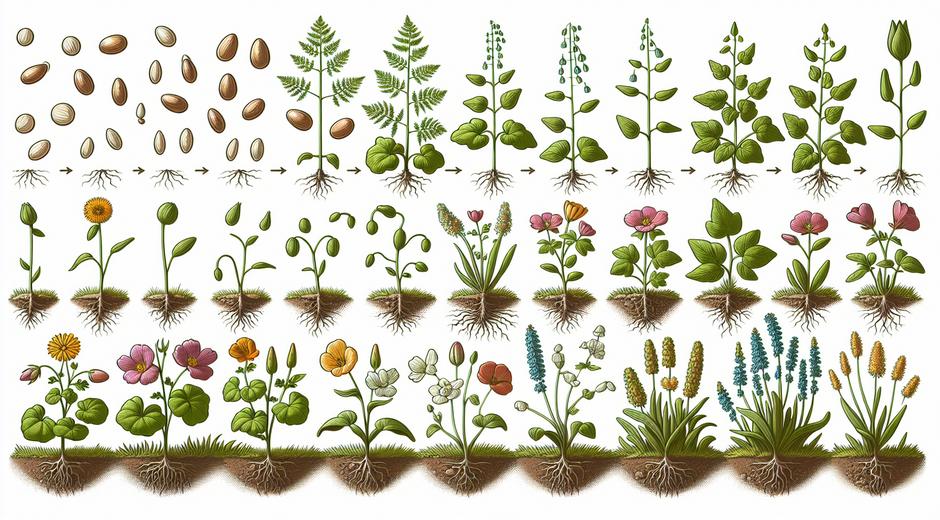


Plant Life Cycles
Plant life cycles are the foundation of every terrestrial ecosystem. From tiny mosses on a rock to giant canopy trees in a forest the process by which plants grow reproduce and renew themselves shapes habitats climate and human livelihoods. This article explores the key stages in plant life cycles explains how environment guides those stages and offers practical tips for gardeners students and nature lovers who want to observe and support plant growth. If you enjoy deep dives into natural processes visit bionaturevista.com for more articles and guides on nature topics.
Understanding the Main Stages of Plant Life
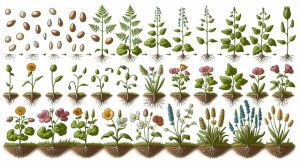
Most plants follow a general pattern that includes seed formation germination growth reproduction and seed dispersal. While the details vary widely among species the sequence of stages is predictable and easy to study. Knowing these stages helps gardeners plan planting calendars conservationists design restoration projects and educators create hands on lessons about biology and ecology.
Seed Formation and Structure
The life of many plants begins within a seed. Seeds contain an embryo a food reserve and a protective coat that together offer resilience against environmental stress. Seed size shape and internal nutrient stores differ by species and influence the initial speed of growth. Some seeds remain viable for months others wait for years before conditions trigger germination. The ability of a seed to survive until the right moment is a vital part of the plant life cycle.
Germination and Early Growth
Germination begins when a seed absorbs water and chemical signals activate metabolic processes. Temperature light and moisture are common triggers. During this stage the embryo breaks dormancy and a root emerges to anchor the plant and take up water. Next a shoot rises toward light and the first leaves begin photosynthesis. Early growth is a vulnerable phase with seedlings exposed to drought pests and competition. Supportive conditions in soil structure water availability and protection from herbivores increase survival rates.
Vegetative Growth and Development
Once established a plant enters a vegetative phase focused on building stems leaves and roots. During this time the plant accumulates energy through photosynthesis and expands its root system to access nutrients. Growth strategies vary: annuals complete their life cycle in a single season while perennials invest in structures that return each year. Some species produce specialized organs such as tubers bulbs or runners that aid survival and future reproduction.
Reproduction and Flowering
Reproduction may be sexual or asexual. Sexual reproduction typically involves flowers that attract pollinators or use wind for pollen transfer. Successful pollination leads to seed formation and genetic diversity which strengthens populations over time. Asexual reproduction produces clones that are genetically identical to the parent plant and can be an efficient strategy in stable environments. Understanding the timing and triggers for flowering helps gardeners and farmers optimize yields and supports conservation of pollinator species.
Seed Dispersal and Dormancy
After seeds form plants rely on a range of dispersal mechanisms. Wind water animals and gravity carry seeds away from the parent plant to reduce competition and colonize new areas. Some seeds enter dormancy and wait for cues such as fire scarification or seasonal temperature changes before germinating. This dormancy functions as a natural survival strategy allowing species to persist through unfavorable conditions.
Environmental Factors That Shape Life Cycles
Climate soils water and interactions with other organisms all influence plant life cycles. Temperature governs metabolic rates and seasonal timing while soil texture and nutrient content affect root growth and access to essential minerals. Water availability can shift strategies from fast growth to conservative slow growth. Biotic factors such as herbivory pathogens and mutualisms with mycorrhizal fungi or pollinators further shape how a plant allocates resources across life stages.
Adaptations in Different Habitats
Plants adapt their life cycles to survive specific habitats. Desert species may have rapid life cycles timed to brief rainy periods whereas alpine plants invest in slow steady growth suited to a short growing season. Wetland species may produce buoyant seeds for water dispersal. These adaptations reveal the tight link between life history traits and environmental constraints. Studying local plant life cycles gives insight into ecosystem resilience and vulnerability under changing conditions.
Why Plant Life Cycles Matter for Conservation and Gardening
Understanding life cycles is essential for effective conservation restoration and sustainable gardening. Conservationists use knowledge of reproduction timing seed bank dynamics and dispersal pathways to protect rare species and restore degraded sites. Gardeners can improve survival rates by matching plant choice and timing to local conditions and by providing pollinator friendly habitat. For those seeking planting supplies or inspirations for garden projects a resource to explore is Romantichs.com which offers tools and ideas to align plant selection with life cycle needs.
How to Observe Plant Life Cycles at Home
Observing life cycles is a rewarding way to connect with nature. Start with a simple seed to table project by planting a common vegetable or herb and recording daily changes. Note germination time leaf emergence flowering and seed set. Use a magnifier to inspect root and shoot growth and document pollinator visits. These observations build a practical understanding of plant needs and timing and can spark long term interest in ecology and stewardship.
Practical Tips to Support Healthy Plant Life Cycles
Maintain healthy soil by adding organic matter and avoiding compaction. Choose native species that are adapted to local climate and soil conditions to reduce the need for water and chemical inputs. Provide continuous bloom across seasons to support pollinators year round and reduce pesticide use to protect beneficial insects. Mulch around young plants to conserve moisture and moderate soil temperature. When collecting seeds follow legal and ethical guidelines to avoid harming wild populations and consider supporting seed exchanges and community seed banks.
Conclusion
Plant life cycles are dynamic processes that sustain ecosystems human food systems and natural beauty. By learning the stages from seed through reproduction and dispersal we gain tools to conserve biodiversity and to design gardens that thrive. Whether you are a student educator gardener or conservationist a focus on life cycles fosters deeper appreciation and more effective stewardship of the natural world. For ongoing articles project ideas and nature focused resources visit our site at the link above and explore ways to bring the science of plant life cycles into practice in your community.