

Plant Adaptations: How Plants Thrive in Every Environment
Plant Adaptations are the remarkable ways that plants change form and function to survive in diverse environments. From deserts with scarce water to rainforests with dense shade plants have evolved features that increase their chances of surviving and reproducing. Understanding these adaptations helps gardeners ecologists and nature lovers appreciate how life persists under pressure and how ecosystems remain balanced.
What Are Plant Adaptations
Plant Adaptations refer to inherited traits that improve a plant ability to deal with environmental challenges. These traits can be visible physical features or less obvious internal processes. Adaptations develop over many generations through natural selection when certain traits provide a survival advantage. Studying these traits reveals how plants manage resources such as light water and nutrients and how they protect themselves from predators and extreme conditions.
Types of Plant Adaptations
Adaptations can be grouped into three broad categories. Structural adaptations involve the shape size and arrangement of plant parts. Physiological adaptations involve internal processes such as photosynthesis water regulation and salt tolerance. Behavioral adaptations are changes in timing or growth patterns that help plants succeed in their environment. Many plants combine elements from each category to form complex survival strategies.
Structural Adaptations
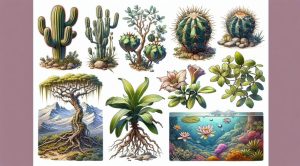
Leaves stems roots and reproductive organs often show clear structural adaptations. In dry climates some plants develop thick fleshy leaves or stems that store water. Other plants reduce leaf area to limit water loss by evaporation. Deep root systems access groundwater while shallow wide roots capture surface water from brief rain events. Leaf orientation and surface textures such as hairs or wax coatings can reflect sunlight reduce water loss or trap moisture.
Flowers and fruits also show structural changes that improve pollination and seed dispersal. Bright colors alluring scents and nectar attract specific pollinators. Winged seeds or buoyant structures allow travel by wind or water. These structural solutions directly affect a plant ability to colonize new spaces and maintain genetic diversity.
Physiological Adaptations
Physiological Adaptations include adjustments to internal chemistry and metabolism. Some plants shift how they process carbon dioxide to reduce water loss during photosynthesis. For example certain species open their stomata at night and fix carbon at a different time of day to conserve water. Other plants produce special compounds that deter herbivores or inhibit growth of competing species. Salt tolerant plants maintain cellular balance by compartmentalizing salt ions or producing protective proteins.
Temperature tolerance is another physiological trait. Cold hardy plants produce antifreeze like molecules that protect cells from ice damage. Heat tolerant species can maintain enzyme function and membrane stability at high temperatures. These internal adjustments are often invisible but essential for survival in extreme climates.
Behavioral Adaptations
Although plants do not move in the way animals do they show remarkable behavior like changing growth direction or timing life cycle events. Phototropism causes stems to grow toward light while roots show positive response to gravity. Seasonal events such as dormancy flowering and seed release are timed to maximize survival and reproductive success. Some plants delay germination until conditions improve ensuring that seedlings face lower risk of failure.
Adaptations to Specific Environments
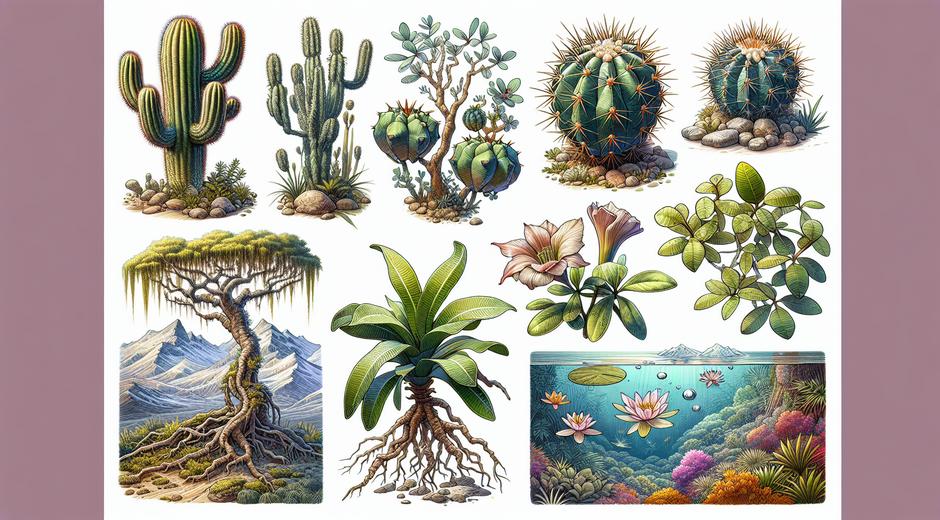
Different habitats demand unique strategies. In desert ecosystems water scarcity drives numerous adaptations. Cacti and other succulents store water in thick tissues and present reduced leaves or no leaves at all to cut water loss. Many desert plants have reflective surfaces and shallow root systems that rapidly absorb moisture from light rains.
Aquatic plants show adaptations that enable gas exchange and support in water. Thin flexible stems reduce resistance to currents and air filled tissues provide buoyancy. Leaves may be broad and flat to capture sunlight on the water surface while roots may be reduced because nutrients are absorbed directly through stems and leaves.
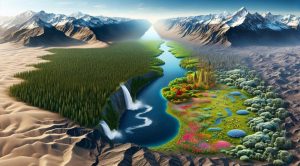
In alpine zones low temperatures high winds and short growing seasons shape plant form. Many alpine plants stay low to the ground to avoid wind and to trap heat near the soil surface. They often complete reproductive cycles quickly during brief warm periods. These species invest energy differently prioritizing survival over rapid height growth.
Wetland plants cope with low oxygen levels in saturated soils by developing special air channels in tissues or raised roots that allow gas exchange. Mangroves form complex root structures that both anchor the plant in unstable mud and allow oxygen to reach submerged tissues.
Cooperation and Competition
Adaptations also reflect interactions with other species. Some plants form mutualistic relationships with fungi and bacteria to improve nutrient uptake. Mycorrhizal fungi extend the effective root system allowing access to phosphorus and other nutrients while bacteria fix atmospheric nitrogen for legume family members. Pollination partnerships show coevolution where plant and pollinator evolve complementary traits.
At the same time plants compete for light water and soil resources. Shade tolerant species adapt to grow under canopy conditions with efficient low light photosynthesis. Fast growing pioneers colonize open ground quickly and change conditions for other species over time. These dynamics influence succession and overall ecosystem resilience.
Human Impact and Conservation
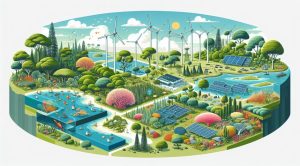
Human activity alters habitats and forces plants to adapt quickly or decline. Urban heat islands soil compaction pollution and water diversion create new selective pressures. Some species show resilience and adapt to city life while others decline leading to loss of biodiversity. Conservation effort benefits from understanding plant adaptations so managers can restore habitats select appropriate species and design green spaces that support native flora.
Public awareness and education increase support for conservation. Articles images and multimedia help people connect with plant strategies and the value of protecting natural habitats. For readers who want a deeper exploration of nature content and curated articles visit bionaturevista.com to find guides and examples of adaptation in action. For those who prefer documentaries and visual storytelling there are external media platforms that host films about ecology and biology for classroom and personal use such as Moviefil.com.
How Scientists Study Plant Adaptations
Researchers use field observation experiments and genetic analysis to uncover how adaptations develop and function. Long term studies track changes in plant traits across decades revealing responses to climate variation. Experimental setups manipulate variables such as water levels or light intensity to test plant performance. Molecular tools identify genes linked to stress tolerance and can inform breeding programs that aim to enhance resilience in crops.
Citizen science projects engage volunteers in collecting data about flowering times distribution and population trends. Involving the public expands the scale of research and builds a deeper appreciation for plant life and ecosystem processes.
What You Can Do to Help
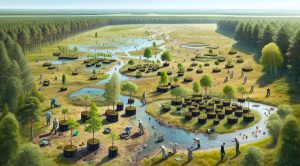
Support plant diversity by choosing native species in gardens reducing pesticide use and conserving water with smart landscaping practices. Learn to recognize plant adaptations and observe how local species survive seasonal changes. Share observations with community science networks and support habitat restoration initiatives. Simple actions by many people can create corridors and refuges that allow plants to adapt in a changing world.
Conclusion
Plant Adaptations are a testament to nature capacity for innovation and survival. From microscopic cellular adjustments to dramatic structural changes plants show myriad ways to face environmental stress. Understanding these adaptations improves ecological literacy guides conservation work and inspires sustainable design. Whether you are a student scientist gardener or nature enthusiast learning about plant strategies deepens appreciation for the living world and informs actions that protect it.