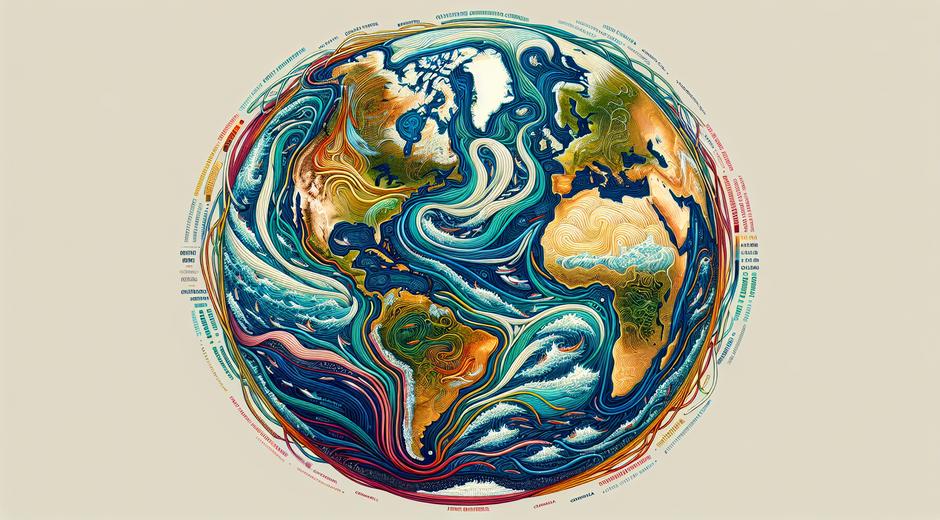


Ocean Currents: The Planetary Conveyor of Heat and Life
Ocean currents shape the climate and support ecosystems across the planet. In this article we explore what ocean currents are how they form and why they matter for weather marine life and human society. Whether you are a student a policy maker or a nature enthusiast the forces that drive ocean movement reveal a crucial connection between the sea and the land. For a broader look at nature topics visit bionaturevista.com to find linked articles and resources.
What Are Ocean Currents
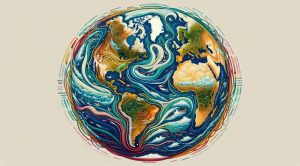
Ocean currents are large scale flows of seawater that move through the world ocean in patterns that can persist for months years or longer. These flows can occur near the surface or in the deep ocean and they transport heat salt nutrients and organisms from one region to another. Because currents redistribute energy they play a major role in shaping regional climates as well as global climate patterns.
How Ocean Currents Form
Several interacting forces create and sustain ocean currents. Wind at the ocean surface pushes water in broad streams that can travel thousands of kilometers. The rotation of the Earth causes moving water to veer through the Coriolis effect which helps organize broad gyres in each ocean basin. Differences in water density caused by variations in temperature and salinity drive deep currents that form a global circulation often called thermohaline flow. Coastlines underwater topography and tidal forces further shape current pathways.
Surface currents are generally wind driven. Persistent wind belts transfer momentum to the ocean surface and set up large rotating systems. In the Atlantic and Pacific these rotating gyres guide warm water toward high latitudes and cold water toward the equator in complementary branches. Deep currents arise where dense cold salty water sinks at high latitudes and slowly flows toward lower latitudes at depth. When that water returns to the surface through mixing upwelling occurs and nutrients are delivered from the deep ocean to surface waters.
Major Ocean Currents and Their Roles
Some named currents are iconic due to their size and influence. The Gulf Stream carries warm water from the subtropical Atlantic toward northern Europe moderating winters in that region. The Kuroshio Current performs a similar role in the western North Pacific delivering heat to coastal Japan. The California Current moves cold nutrient rich water along the west coast of North America supporting rich fisheries. Around Antarctica a circumpolar current connects the Southern Ocean and helps isolate polar waters from lower latitudes which in turn controls global heat distribution.
Each current has unique effects. Warm currents raise air temperatures and increase humidity along nearby land areas. Cold currents cool coastal air and often promote fog and stable atmospheric conditions. Currents that drive upwelling bring nutrient rich deep water to the sunlit surface which stimulates plankton blooms and supports fish populations. Understanding these systems helps explain why some coasts are lush and productive while others are arid or sparsely populated.
Impact on Climate and Weather
Ocean currents are a central piece in the climate puzzle. By moving vast amounts of heat they reduce temperature contrast between equator and pole and influence atmospheric circulation patterns. Variations in current strength or path can shift precipitation zones alter storm tracks and change seasonal temperature patterns. Events linked to ocean surface temperature anomalies can have global reach. For example changes in Pacific ocean surface temperatures influence rainfall patterns in distant continents and can drive extreme weather events.
Long term changes in ocean circulation may affect global climate at large scale. If components of the global thermohaline flow slow down or shift the distribution of heat across the planet would change. Such shifts can alter growing seasons affect sea ice extent and modify the frequency of storms. Monitoring ocean currents is therefore essential for accurate climate projections and for planning adaptation strategies.
Role in Marine Life and Ecosystems
Ocean currents are highways for life. Plankton fish larvae and adults often rely on currents for dispersal and migration. Currents transport nutrients that sustain primary productivity which in turn supports higher trophic levels including commercially important fish species marine mammals and seabirds. Regions of persistent upwelling are among the most biologically productive zones on Earth.
Changes in current patterns can produce rapid shifts in ecosystem structure. When a current carrying warm water moves into cooler regions local species may face stress while new species may expand their range. The timing and intensity of nutrient delivery affect breeding cycles and food web stability. For coastal communities that depend on fisheries understanding current driven processes is vital for sustainable resource management.
Monitoring Ocean Currents
Scientists monitor ocean currents using a mix of tools. Satellite remote sensing measures sea surface temperature height and color which reveal surface flow patterns. Drifters and floats released into the ocean provide direct measurements of water movement and properties at different depths. Fixed moorings and ship based surveys collect long term time series of current strength and direction. New technologies such as autonomous vehicles and improved models allow researchers to resolve finer scale features and forecast changes with greater skill.
Accurate observation helps with early warning for marine heat waves harmful algal blooms and other events that threaten ecosystems and human livelihoods. It also supports shipping and navigation by allowing vessels to take advantage of favorable currents and avoid adverse conditions.
Human Interaction and Management
Humans benefit from and impact ocean currents. Maritime trade and travel have always relied on natural flow patterns for efficiency. Fisheries depend on current related productivity. At the same time human activities such as coastal development pollution and greenhouse gas emissions can alter the delicate balance that sustains current driven ecosystems. For sustainable outcomes policy makers scientists industry and communities must work together to reduce local stressors and to implement practices that preserve ocean health.
Economic planning also draws on knowledge of ocean currents. Coastal infrastructure design fishery management and disaster preparedness all benefit when current patterns are well understood. For perspectives on how environmental changes intersect with economic and business concerns explore additional resources at BusinessForumHub.com.
Challenges and Future Directions
Key scientific challenges include improving long term monitoring enhancing models to capture complex feedbacks and predicting abrupt shifts in circulation. Climate driven changes add urgency to these tasks. As the oceans warm and freshwater inputs change from melting ice the balance of forces that drive currents can shift. Multidisciplinary research that links physical oceanography biogeochemistry ecology and social sciences will be crucial for anticipating and managing impacts.
Engaging communities in observation efforts and sharing data openly will help build resilience. Improved forecasting can inform fisheries planning coastal defenses and early warning systems. Education and outreach that explain the role of ocean currents in everyday life can foster stewardship and support for science informed policy.
Conclusion
Ocean currents are a dynamic and essential part of Earth system functioning. They move heat nutrients and organisms shaping climate ecosystems and human well being. By watching currents with modern tools and by applying that knowledge to policy and practice we can better protect marine life support sustainable livelihoods and prepare for a changing planet. Continued attention to ocean circulation is a wise investment in both nature and society.