

Nutrient Cycling: How Nature Reuses Life Giving Elements
Nutrient cycling is one of the most fundamental processes that sustains life on Earth. It refers to the movement and exchange of chemical elements and compounds between living organisms and the physical environment. Elements such as carbon nitrogen phosphorus and sulfur move through ecosystems in pathways that link plants animals microorganisms soils water and the atmosphere. Understanding nutrient cycling helps us protect soils maintain healthy ecosystems and design sustainable agricultural practices that work with natural processes.
What Nutrient Cycling Means for Ecosystems
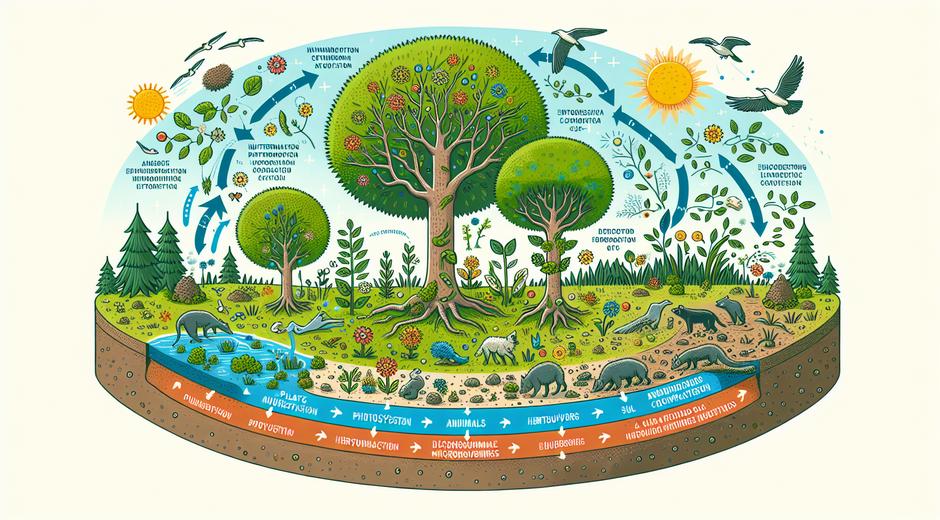
At its core nutrient cycling is about transformation and movement. Plants take up inorganic nutrients from soil or water and build organic matter. Herbivores eat plants and assimilate those nutrients. Decomposers such as fungi bacteria and detritivores break down dead plant and animal material releasing nutrients back to the soil or water where they become available again. These repeated transfers keep ecosystems productive and stable. When nutrient cycling functions well ecosystems support diverse life have higher resilience to disturbances and store carbon that helps moderate climate.
Major Biogeochemical Cycles
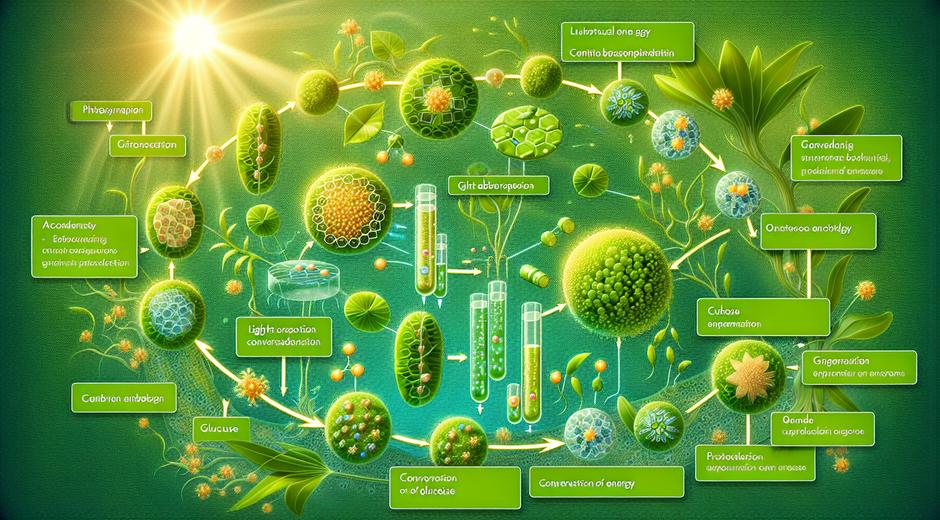
Several linked cycles are central to nutrient dynamics. The carbon cycle describes how carbon moves among the atmosphere living organisms soils and oceans. Photosynthesis by plants draws down atmospheric carbon dioxide and stores it in biomass. Respiration decomposition and combustion return carbon to the atmosphere. The nitrogen cycle includes processes such as nitrogen fixation nitrification and denitrification. Certain bacteria convert atmospheric nitrogen into forms plants can use and others return nitrogen to the atmosphere. The phosphorus cycle is largely driven by weathering of rocks that release phosphate into soils and waterways. Phosphorus can become locked in sediments or taken up by organisms. The sulfur cycle involves volcanic inputs industrial emissions and microbial transformations in soils and sediments.
The Role of Microorganisms and Soil Life
Microorganisms are the engines of nutrient cycling. Bacteria and fungi decompose organic matter releasing nutrients through mineralization. Mycorrhizal fungi form symbiotic associations with plant roots improving nutrient uptake especially phosphorus. Nitrogen fixing bacteria in soil or in root nodules of legumes provide essential nitrogen to plants without external inputs. Other soil organisms such as earthworms and arthropods fragment organic matter increase aeration and mix nutrients through the soil profile. Healthy soil life therefore enhances nutrient retention reduces erosion and supports vigorous plant communities.
Plant Strategies and Nutrient Use
Plants have evolved varied strategies to access and conserve nutrients. Some species invest in extensive root systems or form associations with mycorrhizae to access phosphorus and micronutrients. Others produce litter that decomposes slowly creating stable soil organic matter. Certain plants called nitrogen fixers host bacteria that supply nitrogen without reliance on soil inorganic nitrogen pools. Plant diversity itself can enhance nutrient cycling because different species use nutrients at different rates and return distinct kinds of litter which together create a balanced flow of elements.
Human Impacts on Nutrient Cycling
Human activities have dramatically altered natural nutrient cycles. Excessive use of synthetic fertilizers in agriculture has increased the flow of nitrogen and phosphorus into waterways causing eutrophication harmful algal blooms and dead zones in coastal seas. Fossil fuel burning and industrial activity have increased nitrogen deposition and sulfur emissions affecting soils and freshwater. Land use change such as deforestation and urban expansion disturbs soil structure and accelerates loss of nutrients through erosion. Managing these impacts requires reconnecting human systems to natural cycles using practices that reduce waste and recycle nutrients locally.
Strategies to Protect and Restore Nutrient Cycling
There are many practical approaches to support healthy nutrient cycling. Conservation practices such as cover cropping reduced tillage and diverse crop rotations help maintain soil organic matter and minimize nutrient losses. Restoring wetlands and riparian buffers filters runoff captures nutrients and provides habitat for diverse organisms that contribute to nutrient processing. Composting returns organic matter and nutrients to soils improving structure and fertility. In urban areas green infrastructure such as rain gardens tree planting and permeable surfaces can slow runoff and allow nutrients to be taken up or transformed in place.
Nutrient Cycling and Climate Feedbacks
Nutrient cycling interacts with climate in important ways. Soils and vegetation store large amounts of carbon so practices that preserve soil organic matter reduce greenhouse gas emissions. Conversely warming temperatures can accelerate decomposition releasing more carbon and altering nutrient availability which in turn affects plant growth and carbon uptake. Nitrogen availability can limit or boost plant responses to higher carbon dioxide levels. Managing nutrient cycles thoughtfully therefore contributes to climate mitigation and adaptation.
Measuring and Monitoring Nutrient Flows
Effective management depends on good monitoring. Soil testing plant tissue analysis and water quality monitoring are common techniques to assess nutrient status and detect problems. Innovative tools such as remote sensing and isotopic tracing help track nutrient flows at landscape scales. Citizen science programs can engage communities in monitoring local waterways and soil health raising awareness and informing local actions. For accessible articles and resources on nature science and practical conservation visit bionaturevista.com where you will find guides and insights to help you connect with nature in everyday life.
Nutrient Cycling in Agriculture and Food Systems
Sustainable agriculture aims to close nutrient loops so nutrients remain available within the farm system rather than being lost to the environment. Practices such as precision nutrient management tailor fertilizer applications to crop needs reducing surplus. Recycling manure compost and crop residues recovers nutrients and builds soil fertility. Integrated livestock and crop systems where animals graze cover crops or fields help redistribute nutrients across the farm. Policies and market incentives that reward soil health and reduced pollution support broader adoption of these practices.
How Individuals Can Help
Every person can contribute to healthier nutrient cycles. Reducing food waste lowers demand for excess production and associated fertilizer use. Choosing sustainably produced food supports farming practices that protect soils and water. Planting native species in gardens promotes diverse nutrient use and supports pollinators and soil communities. Avoiding excess use of lawn fertilizers and allowing leaf litter to decompose in natural areas retains nutrients locally. Even transport choices matter because emissions and land use for roads and parking influence surrounding ecosystems and nutrient flows. For ideas about reducing human pressure on landscapes and exploring how different systems connect consider visiting AutoShiftWise.com which covers topics that can help you make informed choices about mobility and technology that affect the natural world.
Conclusion
Nutrient cycling is a dynamic foundation of ecosystem function and human well being. Protecting the pathways that recycle carbon nitrogen phosphorus and other elements preserves biodiversity supports food production and helps regulate the climate. By learning how nutrient cycling works and adopting practices that maintain soil life and prevent losses we can work with nature rather than against it. From farms to cities to wild places a focus on cycle friendly choices delivers benefits for people and the planet.