

Natural Cycles: Understanding Earth’s Rhythms and How to Live in Harmony
Natural Cycles are the foundation of life on Earth. From the movement of water through the sky to the flow of carbon through plants and soil to the rhythms that govern animal behavior these cycles connect every living thing. Understanding Natural Cycles helps us protect ecosystems improve food systems and design lifestyles that respect planetary limits. In this article we explore the main Natural Cycles explain why they matter and offer practical steps people and communities can take to align with these rhythms. For more nature oriented articles visit bionaturevista.com where you will find resources and ideas to deepen your connection with the natural world.
What Are Natural Cycles
Natural Cycles are recurring processes in the environment that move energy and matter through living and non living systems. They include biogeochemical cycles such as the water cycle the carbon cycle and the nitrogen cycle as well as biological rhythms like seasonal migrations and daily activity patterns. These cycles operate at multiple scales from microscopic interactions in soil to global atmospheric patterns. Because they repeat predictable patterns Natural Cycles create stability and resilience for ecosystems and human societies.
Key Natural Cycles That Shape Life
Below are some of the most important Natural Cycles that sustain ecosystems and provide services people rely upon.
Water Cycle
The water cycle moves water between oceans atmosphere land and living organisms. Processes that drive this cycle include evaporation condensation precipitation and runoff. Plants play a key role by drawing water from soil and releasing it to the atmosphere through transpiration. Healthy Natural Cycles of water support agriculture replenish groundwater and regulate climate. When landscapes are degraded floods and droughts become more intense because the natural buffering capacity is lost.
Carbon Cycle
The carbon cycle transfers carbon between the atmosphere biosphere oceans and geosphere. Plants capture atmospheric carbon dioxide through photosynthesis and store it as biomass. When organisms respire decompose or burn carbon returns to the atmosphere. Human activities that add carbon to the atmosphere faster than Natural Cycles can absorb it drive climate change. Restoring forests improving soil health and reducing fossil fuel emissions help rebalance the carbon cycle.
Nitrogen Cycle
Nitrogen moves through the air soil plants animals and microbes. Atmospheric nitrogen is converted by microbes into forms plants can use. Agricultural practices that rely heavily on synthetic inputs can overload ecosystems with reactive nitrogen leading to pollution and biodiversity loss. Promoting crop rotations using legumes and supporting soil microbes maintain healthy nitrogen flows.
Phosphorus Cycle
Phosphorus originates in rock and moves through soil into plants animals and water bodies. Unlike nitrogen and carbon phosphorus does not have a gaseous phase at Earth surface conditions. Phosphorus is essential for plant growth but excess runoff from fields can lead to algal blooms in rivers and lakes. Recycling organic matter and reducing erosion help keep phosphorus within productive systems.
Biological Rhythms
Natural Cycles also include biological rhythms such as seasonal breeding migration patterns and circadian cycles that regulate sleep and activity. These rhythms are synchronized with environmental cues like day length temperature and resource availability. Disrupting these cues through artificial light urban sprawl or climate change can impair reproduction feeding and survival of many species.
Why Natural Cycles Matter for People
Healthy Natural Cycles deliver essential services that humans rely on. Clean water stable climate fertile soils pollination and pest control are all outcomes of intact cycles. When cycles are disrupted communities face higher risk of food insecurity water shortage and extreme weather impacts. Protecting and restoring Natural Cycles supports livelihoods public health and cultural values that depend on nature.
Threats to Natural Cycles
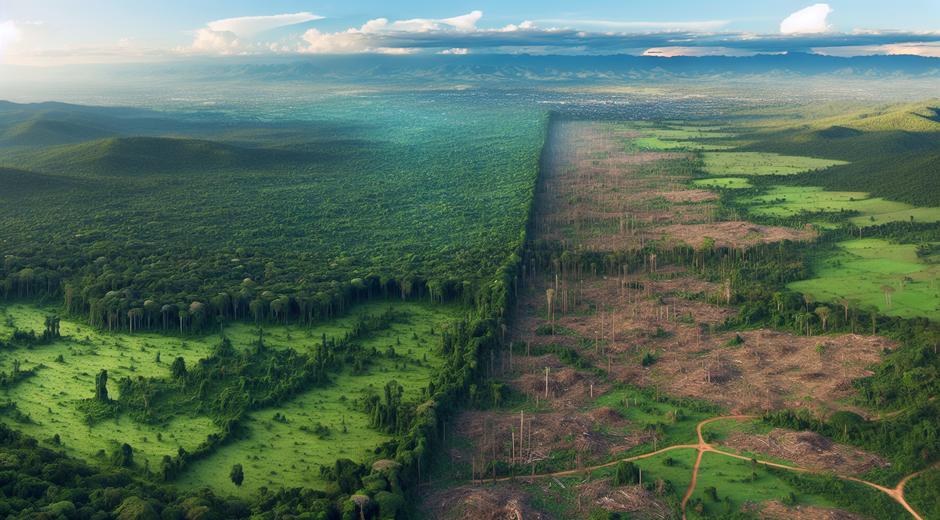
Human activities can accelerate or block parts of Natural Cycles. Land clearing reduces carbon storage and increases runoff industrial emissions alter atmospheric chemistry and unsustainable farming can deplete soil nutrients. Urban expansion fragments habitat and changes hydrology. Climate change alters timing and intensity of seasonal cycles causing mismatches between species and their resources. Tackling these threats requires integrated solutions that respect the interconnected nature of Earth systems.
How to Support and Restore Natural Cycles
Individuals communities and institutions can take many actions to support Natural Cycles. Here are practical approaches with clear ecological benefits.
Restore and conserve ecosystems
Protecting forests wetlands grasslands and coastal systems preserves natural storage and filtration functions. Rewilding degraded areas and restoring native vegetation bring back soil structure and habitat complexity that underpin healthy cycles.
Adopt regenerative practices
Agricultural approaches that enhance soil organic matter reduce erosion and boost water infiltration help restore the carbon and nutrient cycles. Techniques such as mulching cover cropping and managed grazing support soil life and long term productivity.
Reduce pollution and waste
Minimizing use of fossil fuels reducing synthetic chemical runoff and improving waste management prevent excess nutrients and toxins from disrupting cycles. Composting and recycling nutrients locally keep phosphorus and nitrogen in productive loops rather than allowing them to accumulate in waterways.
Design with nature
Urban planning that incorporates green infrastructure such as parks permeable surfaces and restored waterways helps maintain hydrological cycles within built environments. Designing for connectivity allows species to follow seasonal routes and maintain population dynamics.
Support science and traditional knowledge
Combining modern ecological research with traditional ecological knowledge improves our understanding of Natural Cycles at local to regional scales. Community based monitoring and adaptive management ensure actions remain effective as conditions change.
Practical Tips for Living in Tune with Natural Cycles
Everyone can take small steps that collectively make a large difference to Natural Cycles. Start with these simple actions.
Grow native plants to support pollinators and soil microbes that are integral to nutrient cycles. Reduce water use through efficient fixtures and by capturing rainwater for gardens. Compost kitchen and yard waste to return nutrients to soil. Choose foods that are locally produced and grown with methods that build soil health. Support policies and businesses that prioritize renewable energy and reduced emissions. Learn about seasonal availability of produce to align diets with natural abundance and reduce pressure on global supply systems.
Education Resources and Further Reading
To dive deeper into Natural Cycles explore courses and resources that cover ecology Earth science and sustainable practices. Resources that combine scientific research with practical skills help learners apply knowledge in real world projects. For organized learning modules and study materials consider reputable educational platforms that offer structured guidance and hands on activities StudySkillUP.com which provides tools for learners interested in environmental topics.
Conclusion
Natural Cycles are the invisible infrastructure that keeps life functioning on Earth. Recognizing their role and taking steps to protect and restore them is essential for resilient communities and a stable climate. Through conservation regenerative land management reduced pollution thoughtful design and learning we can live in ways that respect and enhance these cycles. Each effort to align human activity with Natural Cycles strengthens the web of life and secures benefits for future generations.