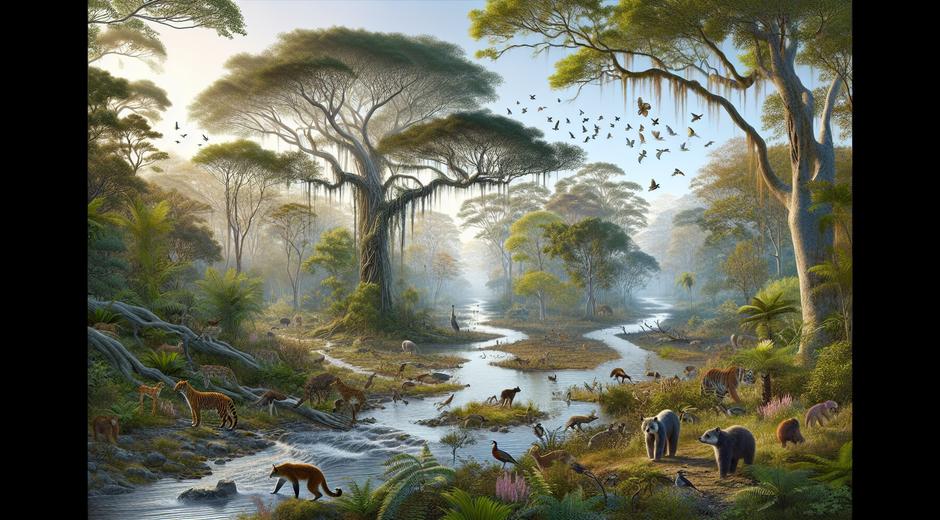


Native Ecosystems: Why They Matter and How We Can Protect Them
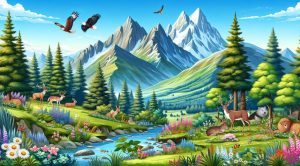
Native Ecosystems form the living fabric of our planet. From sunlit grasslands to dense forests and coastal wetlands these systems support a web of life that has evolved together over centuries. Protecting Native Ecosystems is essential for biodiversity climate resilience and for the services they provide to human communities. This article explores what Native Ecosystems are why they matter and practical ways individuals communities and policymakers can act to conserve them.
What Are Native Ecosystems
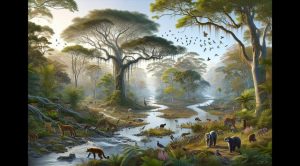
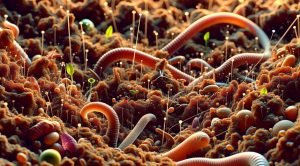
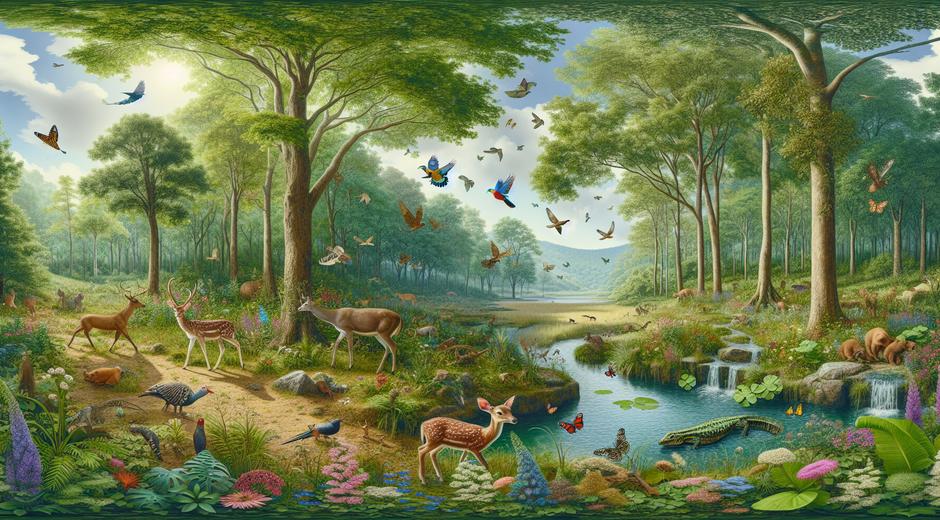
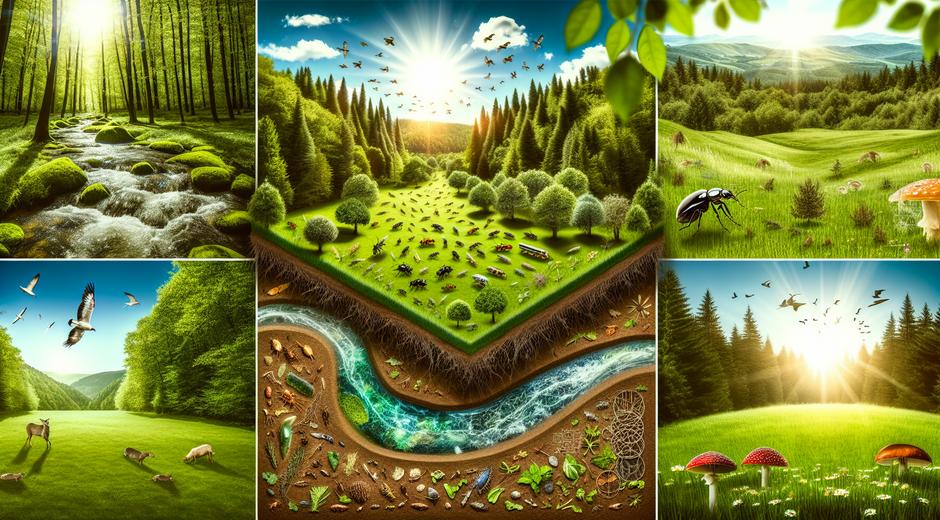
A Native Ecosystem is a community of plants animals fungi and microbes that occur together naturally in a specific region. These communities develop unique relationships over time. Pollinators adapt to local flowers predators and prey balance each other and soil organisms cycle nutrients in ways that sustain plant growth. The result is a system that functions efficiently and supports many forms of life.
Why Native Ecosystems Are Vital
Native Ecosystems deliver benefits that humans depend on every day. They purify air and water store carbon reduce flood risk and stabilize soil. They also host genetic diversity that may be crucial for future food security medicine and adaptation to change. When Native Ecosystems thrive species adapted to local conditions continue to flourish. When these systems are damaged or lost invasive species and pests can spread more easily undermining both nature and human wellbeing.
Threats to Native Ecosystems
Human activity is the main cause of Native Ecosystem decline. Land conversion for agriculture urban growth and unsustainable resource extraction removes habitat. Pollution and climate shifts add stress by altering temperature and rainfall patterns. Invasive species can outcompete native plants and animals while fragmented habitat can isolate populations reducing their ability to survive long term.
Restoration and Recovery Strategies
Restoring Native Ecosystems involves understanding local ecology and following practices that support natural processes. Key steps include protecting remaining habitat reestablishing native plant communities and reconnecting fragmented areas. Restoration also means managing threat factors such as invasive species pollution and unsustainable water use. Community led restoration projects have shown great success by combining traditional knowledge with scientific methods.
Designing Native Plant Gardens
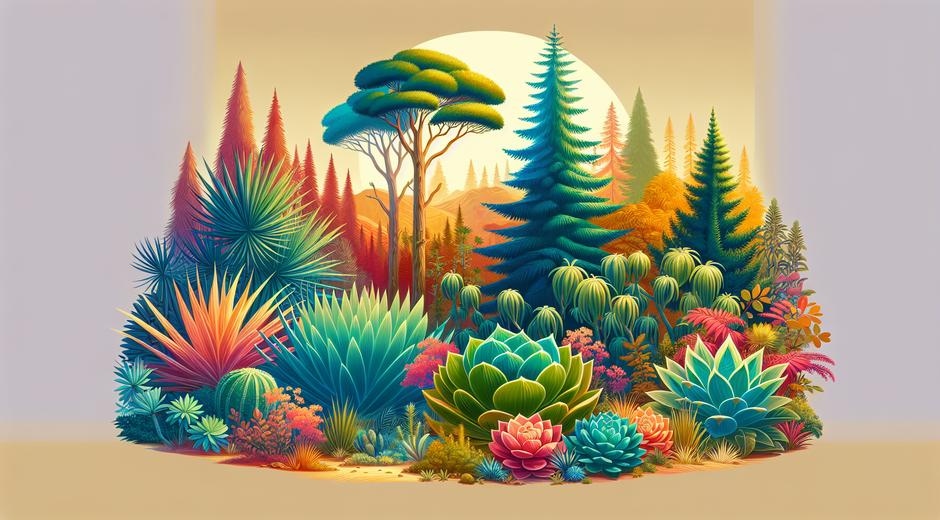
One of the most effective actions an individual can take is to create a garden with plants native to the region. Native plant gardens provide habitat for pollinators and birds improve local air and water quality and require less water and maintenance once established. Start by checking local lists of native species and choose a mix of trees shrubs and perennial flowers that bloom at different times to support a variety of wildlife year round. If you are looking for curated plant care guides or native seed options check trusted suppliers and resources such as BeautyUpNest.com for ideas and products that align with native stewardship.
Community Action and Urban Planning
Towns and cities play a crucial role in conserving Native Ecosystems. Urban planners can integrate green corridors parks and native landscaping into development plans to maintain habitat connectivity. Community groups can run native planting events host native tree giveaways and advocate for reduced pesticide use and sustainable storm water design. Schools and local organizations can use native habitat projects for hands on education that connects people to local nature.
Policy and Funding for Conservation
Effective conservation of Native Ecosystems requires supportive policy and stable funding. Governments can protect critical areas through reserves and conservation easements and promote incentives for landowners to maintain native vegetation. Funding for restoration research and community led projects helps scale successful approaches. Policies that reduce greenhouse gas emissions and promote sustainable land use also benefit Native Ecosystems by addressing root causes of stress.
Monitoring and Science Based Management
To conserve Native Ecosystems effectively managers need data. Monitoring species populations water quality and habitat condition allows for adaptive management that responds to changing conditions. Citizen science programs can expand monitoring capacity by engaging volunteers in data collection. Combining long term monitoring with targeted experiments helps identify the best practices for different ecosystem types.
How to Get Involved Today
Everyone can contribute to Native Ecosystem protection. Simple steps include planting native species avoiding pesticides creating habitat for pollinators and supporting local conservation groups. Property owners can maintain natural areas and participate in regional restoration networks. For those seeking a central hub of ideas and inspiration visit resources like bionaturevista.com to find guides case studies and tips for local action.
Success Stories to Inspire
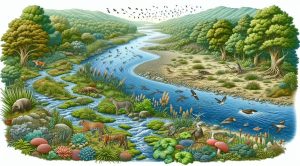
There are many inspiring examples where restoration has led to rapid recovery of wildlife and ecosystem services. Wetland restoration projects have returned bird populations to sites that were once barren. Prairie reconstructions have revived native wildflower communities and supported pollinator abundance. Coastal dune restoration has protected towns from storm surges while rebuilding nesting habitat for shore birds. These stories show that well planned efforts can yield results that benefit both nature and people.
Long Term Outlook
Protecting Native Ecosystems is a long term commitment but it is achievable. By combining protection restoration public engagement and smart policy we can secure the benefits these systems provide for future generations. Climate change adds urgency but also opportunity as restoration projects can increase resilience making landscapes more able to withstand extreme events.
Final Thoughts
Native Ecosystems are the foundation of a healthy planet. They sustain biodiversity support human livelihoods and help regulate the climate. Our choices matter. Every native plant placed in a garden every wetland protected and every community project that restores habitat moves us toward a future where nature and people thrive together. For practical ideas to start today explore resources and connect with local groups. When communities act in concert with science and policy the recovery of Native Ecosystems becomes a shared success story.