

Microhabitats: Hidden Worlds That Sustain Biodiversity
What Are Microhabitats
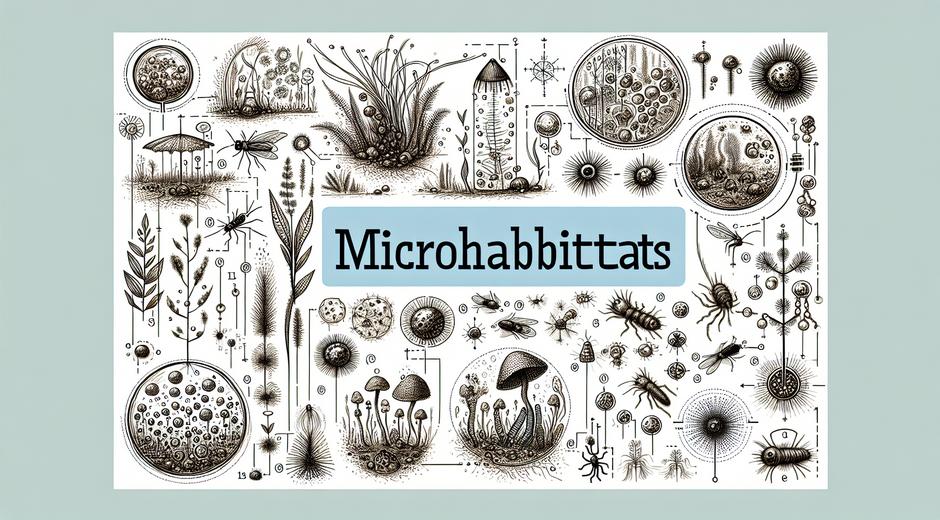
Microhabitats are small scale environments within larger landscapes that provide unique conditions for specific plants animals fungi and microbes. These tiny pockets can vary in moisture light temperature and substrate and they often support species that are absent from the surrounding area. The concept of microhabitats helps us understand how complex living systems are arranged at a fine scale and why even small changes in structure or material can have large effects on local biodiversity.
Key Features of Microhabitats
Microhabitats are defined by a set of physical and biological features. Common attributes include microclimate variables such as soil moisture and temperature light exposure and shelter availability. Substrate type matters too so a patch of moss a rotting log or a shallow pool each creates a distinct set of opportunities for life. Another crucial feature is temporal stability. Some microhabitats persist for many years while others appear and disappear with seasonal cycles. Species that specialize in particular microhabitats often evolve specific adaptations that allow them to exploit those niches.
Types of Microhabitats You Can Observe
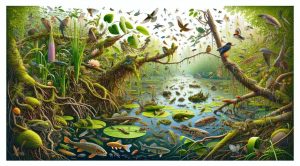
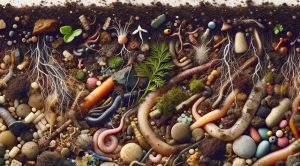
Microhabitats appear across every ecosystem. Examples include leaf litter layers that support decomposers and invertebrates rock crevices that shelter reptiles and small mammals tree cavities that hold bird nests and insect colonies shallow ephemeral pools that are critical for amphibian breeding moss mats that retain moisture for tiny invertebrates and urban crevices such as gutters and vacant lots that provide surprising refuges for ruderal flora and fauna. Even within a single tree the north facing side and the south facing side can host different communities because of variations in sun exposure and moisture.
Why Microhabitats Matter for Biodiversity
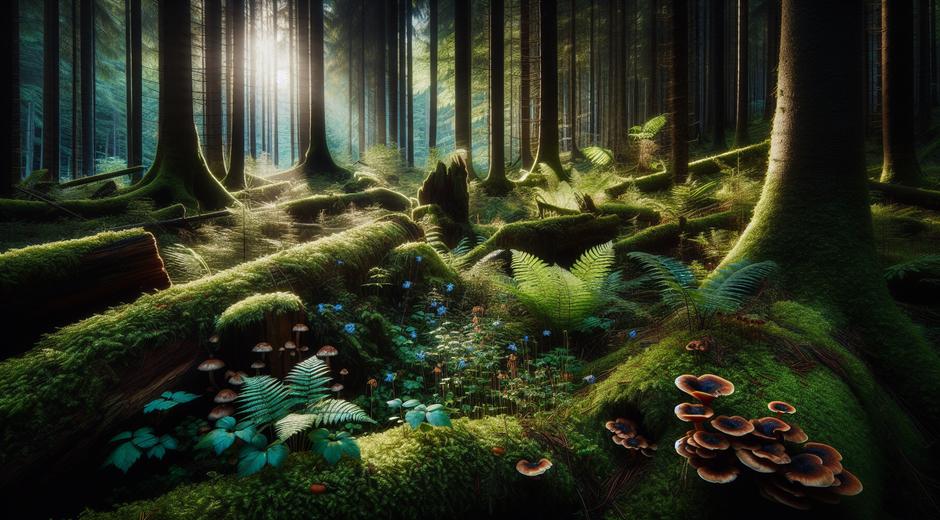
Microhabitats increase habitat heterogeneity which directly supports higher species richness. They offer refuge from predators and harsh weather and provide specialized resources such as unique food items or nest material. For example certain beetles and fungi are restricted to rotting wood of a particular decay stage and will not survive in managed forests where logs are removed. Likewise amphibians often depend on ephemeral pools that do not support fish predators. Conserving and restoring microhabitats is therefore essential to maintain full ecosystem function and species diversity.
How to Create and Protect Microhabitats in Gardens and Urban Spaces
Everyone can contribute to microhabitat conservation through simple practices in gardens parks and community spaces. Allowing a corner of your yard to accumulate leaf litter and fallen twigs creates habitat for detritivores which in turn support birds and small mammals. Leaving dead wood in place when safe to do so offers nesting and feeding sites for insects and cavity nesting birds. Installing a small shallow pond with gentle sloping edges supports amphibians and dragonflies while avoiding fish introduction maintains the pool for species that require fish free waters. Even small features such as stones arranged to form crevices or a patch of native wildflowers can attract pollinators and ground nesting bees.
If you want practical guides and inspiration for enhancing local habitat types visit resources on community nature pages such as bionaturevista.com where you will find step by step suggestions for designing microhabitat friendly spaces.
Microhabitats in Agricultural and Forest Landscapes
In managed landscapes microhabitats are often the first casualties of intensive practice. Removal of hedgerows elimination of dead wood and excessive clearing of understory vegetation reduce available niches for specialist species. However simple adjustments in management yield big benefits. Retaining living hedgerows creating buffer strips along water bodies allowing patches of wild vegetation in field corners and setting aside dead wood islands in forests maintain connectivity and resource availability for species that move at small scales. These practices enhance pest control pollination and soil health while supporting a richer flora and fauna.
Role in Climate Resilience and Adaptation
Microhabitats act as refugia during extreme weather events and gradual climate change. Cooler moister micro sites such as north facing slopes and dense canopy gaps can allow temperature sensitive species to persist locally even as regional climates warm. Similarly underground microhabitats and deep leaf litter layers moderate temperature extremes and maintain moisture for many organisms. Protecting a mosaic of microhabitats increases the chances that species will find suitable conditions within the landscape and thus improves overall resilience.
Monitoring Microhabitats and Citizen Science
Microhabitat monitoring is accessible to community groups schools and individual naturalists because it often requires no special equipment. Simple surveys of leaf litter depth dead wood volume frequency of ephemeral pools and the presence of nesting cavities provide valuable baseline data. Recording species that use those features for feeding breeding and shelter helps link structure with function. Citizen science platforms and local nature groups often welcome such records and they contribute to larger scale biodiversity databases. For those who want to support organized conservation projects and purchase sustainable habitat materials consider reputable partners that promote ethical sourcing and restoration efforts such as Ecoglobalo.com which offers information and products for habitat enhancement.
Case Studies That Highlight Importance
Several well documented examples show the power of microhabitat conservation. In temperate woodlands leaving fallen logs and retaining standing dead trees has led to increases in saproxylic insect diversity which in turn benefits woodpeckers and other predators. In urban settings creation of rain gardens and pocket ponds has supported amphibian breeding and increased local pollinator abundance. Restoration of salt marsh micro pools has been linked to higher juvenile fish survival which supports commercial fisheries. Each case underlines how small targeted actions at a fine scale cascade into larger ecological benefits.
Design Principles for Microhabitat Friendly Spaces
When planning to enhance microhabitats follow a few guiding principles. First aim for structural diversity by mixing vegetation layers and retaining features such as rocks and logs. Second provide continuity in space so organisms can move among microhabitats to find resources. Third favor native plants because they often host more native insects and provide better food resources. Fourth avoid chemical inputs that alter soil and water chemistry which many microhabitat specialists cannot tolerate. Finally consider the temporal dimension by creating features that persist across seasons and years to support life cycles of resident organisms.
Challenges and Common Mistakes to Avoid
A common mistake is creating microhabitat features that are too isolated or that lack permanence. Patches that are too small or that disappear each season may not support viable populations. Another pitfall is introducing species or materials that become invasive or that change local chemistry such as certain mulches that acidify soil. Well meaning but inappropriate planting of non native species can reduce native insect abundance and disrupt food webs. Thoughtful planning consultation with local experts and use of regionally appropriate species and materials will avoid these issues.
Conclusion
Microhabitats are essential building blocks of healthy ecosystems. They provide refuges resources and breeding sites for a wide range of species and they enhance resilience to environmental change. Whether you are a land manager homeowner teacher or a city planner simple design choices can protect and create microhabitats that support biodiversity. By valuing and conserving these small but vital places we help sustain the larger web of life that depends on them. For practical tips and tools to implement microhabitat friendly practices explore local resources and partner organizations that share habitat based solutions.