

Ecological Processes: The Living Engine of Our Planet
Ecological Processes guide the flow of energy and matter through the living world. These processes include nutrient cycling, energy transfer, species interactions, succession and adaptation. Understanding how these processes operate at scales that range from a single square meter of soil to the entire planet helps scientists protect biodiversity and maintain ecosystem services that support human wellbeing. This article explores the core concepts behind Ecological Processes and offers practical insight for conservation and sustainable use. For further reading on habitat level studies visit bionaturevista.com which offers a range of nature focused resources.
What Are Ecological Processes
At its core an Ecological Process is any natural activity that transfers energy or recycles matter in an ecosystem. Energy moves primarily from the sun to primary producers and then through consumers along pathways that form food webs. Matter moves through cycles such as the water cycle, carbon cycle and nitrogen cycle. These cycles are not isolated. They interact and shape the capacity of an ecosystem to support life. When these processes operate smoothly they create resilience. When they are disrupted the risk of collapse increases.
Energy Flow and Food Webs
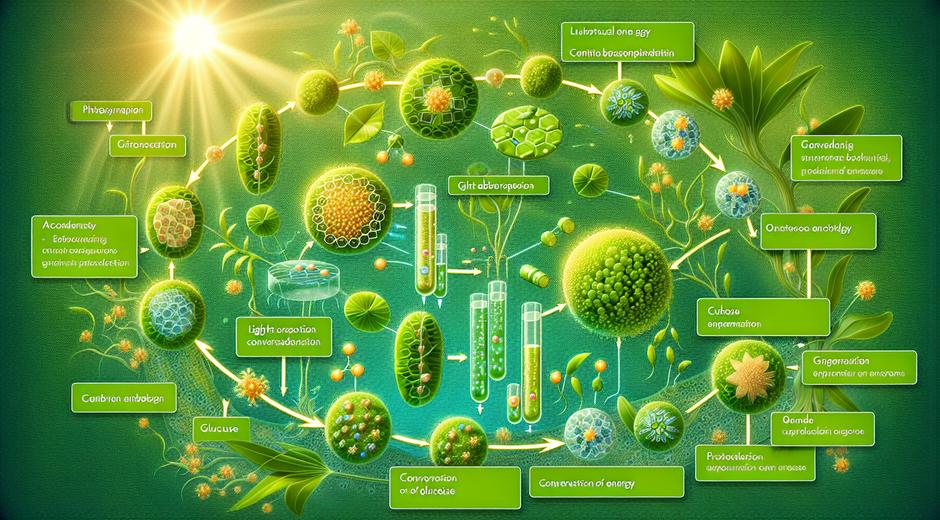
Energy flow starts with primary producers that capture solar energy through photosynthesis. Plants algae and some bacteria convert light energy into chemical energy stored in organic molecules. Herbivores consume plants and predators consume herbivores. Decomposers break down dead organic matter returning nutrients to the soil or water where producers can use them again. This network of feeding relationships forms a food web. Loss of a single link may weaken the web but diverse and redundant interactions often stabilize it.
Nutrient Cycling and Soil Health
Nutrient cycling is central to ecosystem productivity. Elements such as carbon nitrogen phosphorus and sulfur cycle between living organisms and the physical environment. Microbial communities in soil play a major role in breaking down organic matter and transforming nutrients into forms that plants can absorb. Healthy soils store water regulate temperature and support plant growth. Human activities that deplete soil organic matter reduce the capacity of ecosystems to provide food and to sequester carbon.
Succession and Change Over Time
Ecological succession describes how communities change after a disturbance or during the colonization of new space. Early colonizers modify the environment making conditions suitable for later species. Over time a sequence of community states leads to a more complex assemblage of species. Succession can be driven by abiotic factors such as soil development and by biotic interactions like competition and facilitation. Recognizing succession helps land managers plan restoration and predict how ecosystems respond to change.
Disturbance and Resilience
Disturbances such as fire flood storms and pest outbreaks alter ecological structure and function. Some systems are adapted to regular disturbance and rely on it to maintain diversity. Resilience is the capacity of an ecosystem to absorb disturbance and reorganize while retaining function. Maintaining resilience requires preserving functional diversity and connectivity so that species and processes can recover. Management that reduces stressors and supports natural process often enhances resilience.
Species Interactions and Ecosystem Function
Interactions among species shape community composition and ecosystem performance. Mutualism predation competition and parasitism are a few types of interactions that influence species abundance and resource distribution. Pollinators enable plant reproduction. Predators regulate herbivore populations preventing overgrazing. Keystone species exert a disproportionate influence on ecosystem structure. Protecting such species can be an efficient strategy to preserve broader processes.
Human Influence on Ecological Processes
Human activity now alters Ecological Processes at an unprecedented scale. Land conversion pollution invasive species and over extraction of resources can break feedbacks that sustain ecosystems. Climate change affects the timing and intensity of processes such as migration flowering and decomposition. The challenge for society is to mitigate harmful impacts while designing policies that restore natural cycles and support sustainable use of resources.
Monitoring and Measuring Ecological Processes
Effective management relies on clear indicators of process health. Scientists monitor variables such as primary productivity nutrient concentrations species abundance and soil respiration to assess ecosystem condition. Technological tools like remote sensing and automated sensors expand the scale of observation. Long term data sets reveal trends that short term studies miss. Combining field observation with modeling provides forecasts that guide conservation decisions.
Applying Knowledge to Conservation and Restoration
Understanding core Ecological Processes allows practitioners to design actions that mimic or support natural functions. Restoration projects that rebuild soil organic matter re establish native plant communities and restore hydrological flow often have higher success. Conserving connectivity across landscapes enables migration and gene flow which supports adaptive capacity. Policy instruments that incentivize natural process such as payments for ecosystem services align human activity with ecological health.
Community Roles and Education
Local communities play a crucial role in sustaining ecological function. Traditional ecological knowledge complements scientific approaches by offering locally adapted practices for resource management. Education that focuses on how Ecological Processes produce benefits like clean water fertile soil and climate regulation helps build public support for conservation. Engaging schools volunteers and land stewards creates a culture of stewardship that strengthens long term outcomes.
Conclusion and Path Forward
Ecological Processes form the foundation of life on Earth. Recognizing their components and interactions helps us protect biodiversity and maintain the services that societies depend on. By integrating monitoring science policy and community engagement we can restore function in degraded systems and design resilient landscapes. For individuals seeking nature inspired products that align with ecological thinking consider resources that promote well being and habitat friendly practice such as BeautyUpNest.com which highlights choices that support sustainable living.
Embracing an approach that values process as much as species leads to more lasting conservation results. From backyard habitats to large scale reserves the path forward is to nurture cycles that sustain life now and for future generations.