

Kelp Forests: The Underwater Giants That Sustain Coastal Life
Kelp forests are among the most productive and dynamic ecosystems on Earth. Covering rocky coastal shelves in many temperate and polar regions they form towering underwater habitats that support rich webs of life. These vast stands of brown sea algae create canopies and thickets that shelter juvenile fish feed marine mammals and provide critical ecosystem services that benefit people. Understanding kelp forests helps us appreciate their value and the urgent need to protect them.
What Are Kelp Forests and Where Do They Grow
Kelp forests are dense assemblies of large brown algae known as kelp. Unlike sea grass beds these algae can grow rapidly in three dimensional space forming vertical structures that reach from the sea floor to the surface. Giant kelp is often cited as the fastest growing marine plant in the world. Other common species include bull kelp and various laminaria species that dominate different coastlines.
These ecosystems favor cold nutrient rich waters with strong currents that deliver plankton and dissolved nutrients. Coastlines with rocky substrates are ideal because kelp anchors to rock using holdfast structures. You can find kelp forests along the Pacific coast of North America around parts of South America in northern Europe and around southern Africa and Australia. Their distribution is shaped by light availability water temperature and the presence of herbivores.
The Structure of a Kelp Forest
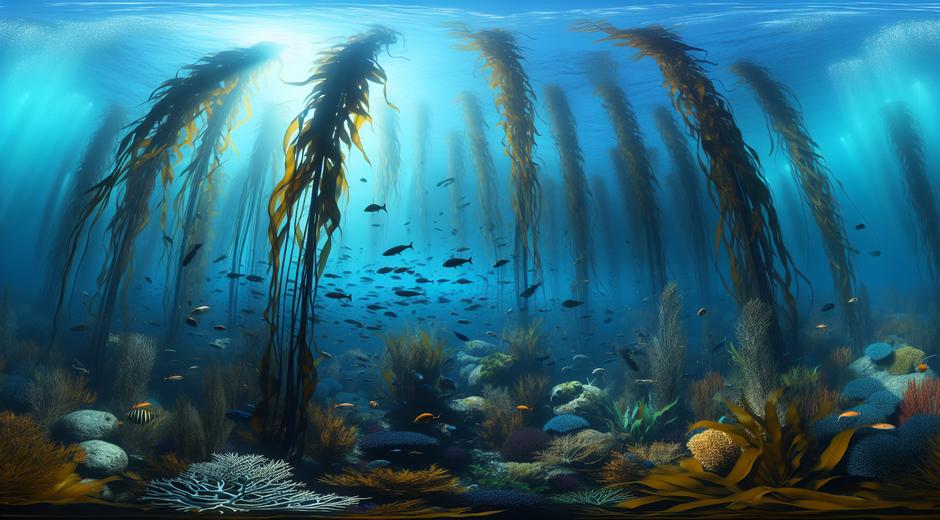
A kelp forest has a vertical complexity similar to a terrestrial forest. The foundation begins at the sea floor where holdfasts secure individual plants. From the holdfast a stipe extends upward carrying leaf like blades that create the photosynthetic surface. Near the surface some kelp species form a canopy that intercepts light and waves creating sheltered zones beneath.
This layered structure supports distinct communities. The canopy attracts surface oriented species while the understory hosts creatures that prefer dimmer conditions. On the sea floor the detritus from kelp blades fuels a rich microfauna and provides food for grazers. This architectural complexity creates shelter for fish nursery areas for invertebrates and feeding grounds for larger predators.
Biodiversity and Ecological Role
Kelp forests are biodiversity hotspots. They provide habitat and nursery areas for many commercial fish species and shelter for species that are ecologically important for food webs. Sea urchins snails crustaceans and mollusks graze on kelp or on the community that grows on kelp surfaces. Predators such as sea stars otters and certain fish regulate grazer populations maintaining balance.
Marine mammals like seals sea lions and whales rely on kelp forests for feeding resting or migratory corridors. Birds often forage above these underwater gardens taking advantage of the abundance of fish. Beyond supporting species diversity kelp forests offer vital ecosystem services. They sequester carbon produce oxygen stabilize sediments and buffer coastlines from wave energy. This means kelp forests play a role in climate regulation and in protecting coastal communities.
Threats to Kelp Forests
Although resilient in many ways kelp forests face multiple threats driven by human activity and natural shifts in the environment. Rising ocean temperatures can stress kelp and reduce growth rates making populations vulnerable to other pressures. Nutrient pollution from runoff alters the balance of species and can favor algal blooms that shade kelp.
Another major threat arises when key predators decline. Overfishing of predators that control herbivore numbers can allow sea urchin populations to explode. Large urchin populations can decimate kelp creating barren areas where biodiversity collapses. Storms can damage canopy structures and reduce reproductive success. In some regions invasive species and disease further complicate recovery. These interacting threats can push kelp systems from healthy forest states into degraded states that are hard to reverse.
Conservation and Restoration Efforts
Conservation strategies focus on reducing local stressors and supporting natural recovery processes. Establishing marine protected areas helps by limiting fishing pressure and giving top predators space to recover. Active restoration techniques include urchin removal to reduce grazing pressure and kelp seeding programs that transplant juvenile kelp or encourage natural recruitment.
Kelp aquaculture plays a growing role as a tool for restoration and as a sustainable source of biomass for food feed and industrial uses. Cultivated kelp can reduce pressure on wild stocks and provide economic incentives for coastal communities to restore natural forests. Public engagement and education are essential because local stewardship often determines the success of conservation actions.
For more resources and articles on related topics you can visit bionaturevista.com to explore guides on coastal habitats restoration projects and ways to get involved.
Research and Monitoring
Ongoing research is revealing how kelp forests respond to environmental change and what management actions are most effective. Scientists use satellite imagery diver surveys and citizen science programs to monitor kelp canopy extent and health. Genetic studies help identify resilient strains while ecosystem models predict responses to climate variability.
Technology such as remote operated vehicles and underwater cameras allow year round assessment in areas that are hard to access. This information guides adaptive management allowing resource managers to act quickly when negative trends emerge.
How Communities Benefit from Healthy Kelp Forests
Healthy kelp forests support fisheries by providing nursery habitat for important species. They attract tourists who enjoy wildlife viewing diving and snorkeling thereby supporting local economies. The carbon sequestration potential of kelp adds value by contributing to climate mitigation efforts. Moreover kelp can be harvested sustainably for food fertilizers and bio products creating jobs and alternatives to less sustainable industries.
Some companies and coastal communities are exploring payments for ecosystem services where stakeholders invest in kelp restoration and receive benefits for carbon credits or improved fisheries. These innovative approaches create incentives for long term conservation.
How You Can Help
Individuals can help kelp forests in many ways. Reducing nutrient pollution through proper waste management supporting sustainable fisheries and avoiding single use plastics reduces stress on coastal ecosystems. Participating in local cleanup events or volunteering with restoration groups helps practitioners scale up efforts. Supporting policies that protect marine habitats and funding scientific research also makes a difference.
For people who want to learn more about kelp forest stories and to view stunning footage of these ecosystems consider reliable sources of visual media and educational material. A curated media resource to explore such stories and visual content can be found at Moviefil.com which hosts a variety of nature focused productions that highlight the beauty and urgency of protecting underwater forests.
Kelp forests are vital coastal ecosystems that deserve our attention and care. By combining science community action and wise management we can help these underwater giants continue to sustain life above and below the sea surface for generations to come.