

Natural Landscapes: The Art and Science of Earths Living Scenes
Natural Landscapes are the foundation of life on Earth and a source of constant wonder for travelers researchers and conservationists. From sweeping mountain ridges to quiet wetlands that filter our water these living scenes shape climate biodiversity and human culture. This article explores what defines Natural Landscapes why they matter how to experience and protect them and how technology and community action can help conserve them for future generations. For more stories and in depth guides about nature and habitat care visit bionaturevista.com.
What Defines Natural Landscapes
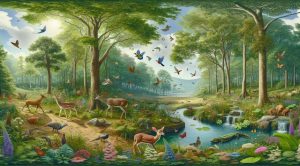
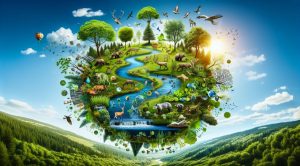
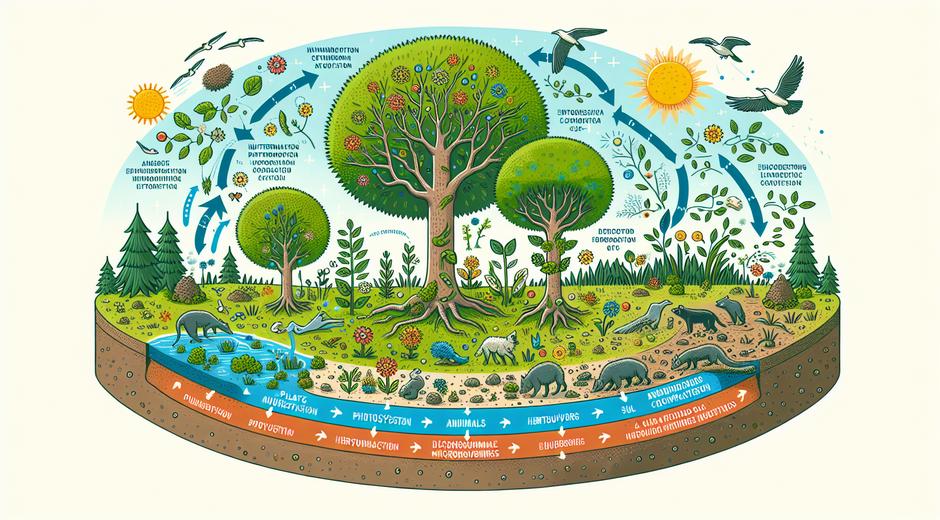
Natural Landscapes are areas where ecological processes dominate and where native plants and animals form complex networks. Key elements include geology soil water and climate working together to create habitat patterns and ecological niches. These areas may appear wild and untouched yet they are dynamic systems shaped by cycles such as seasonal floods fire regimes and species migrations. When we refer to Natural Landscapes we include both large wild regions and smaller pockets of native habitat inside urban settings that still support essential ecological functions.
Why Natural Landscapes Matter for People and Planet
Natural Landscapes provide vital services that support human life and economic activity. Forests and wetlands store carbon helping to regulate climate. Coastal marshes protect shorelines from storm surge. Rivers and aquifers supply drinking water and irrigation. Beyond these practical benefits Natural Landscapes offer cultural and psychological value. Time spent in nature reduces stress boosts creativity and supports physical health. Economies that depend on tourism recreation and sustainable resource use also rely on healthy landscapes. Protecting these places is therefore not only an ecological priority but a social and economic imperative.
Types of Natural Landscapes and What Makes Each Unique
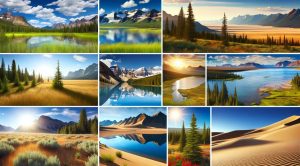
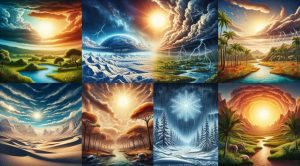
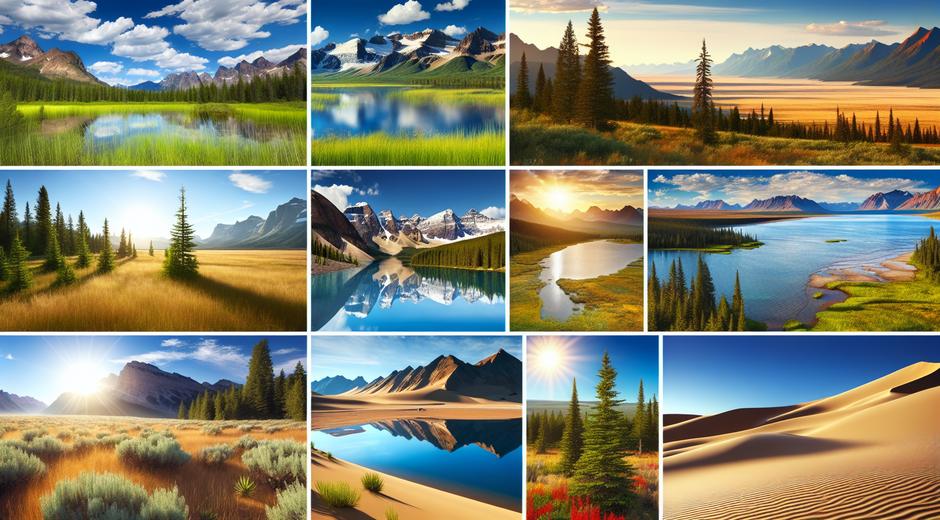
Mountains host steep gradients in temperature and vegetation which create many niches for species that cannot live anywhere else. Forests range from tropical rain forests dense with biodiversity to temperate woodlands that support seasonal cycles. Grasslands are vast open areas dominated by grasses and herbaceous plants and often support large grazing mammals and diverse bird communities. Wetlands include marshes swamps and bogs and act as natures filtration system for water. Coastal landscapes include dunes tidal flats and rocky shores that connect land and sea. Deserts are defined by low water availability and extreme conditions which shape unique survival strategies. Polar regions support species adapted to severe cold and long seasonal cycles. Each type contributes in its own way to global ecological stability.
How to Experience and Protect Natural Landscapes
Engaging with Natural Landscapes begins with respect and curiosity. Follow local guidelines stay on designated paths and minimize disturbance to wildlife. When planning travel learn about the seasonal patterns of the area and choose activities that support conservation such as guided tours run by local stewards. Participate in citizen science projects that monitor species and environmental conditions. Volunteer for habitat restoration efforts that remove invasive plants and reestablish native species. On a personal level reduce consumption of materials that drive habitat loss support policies that protect natural areas and choose products that favor sustainable sourcing.
Community Roles and Policy Approaches
Effective protection of Natural Landscapes happens when local communities researchers and policymakers work together. Community led conservation often blends traditional knowledge with modern science to manage resources sustainably. Policy tools such as protected area designation land use planning and habitat friendly agricultural practices all play a role. Economic incentives for private landowners can encourage habitat restoration and connectivity. Long term success depends on equitable approaches that balance human needs and ecological needs and that provide alternative livelihoods for people who rely on natural resources.
Technology as an Ally for Natural Landscapes
Technology provides powerful tools for understanding managing and communicating about Natural Landscapes. Remote sensing and satellite imaging help map changes in vegetation water and land use at large scales. Drones provide detailed views of otherwise inaccessible areas enabling efficient surveys of species and habitat health. Data platforms allow scientists and citizens to track biodiversity trends and to spot threats early. For readers who want to explore tools for landscape mapping and visualization check resources that bring together geospatial tools and storytelling at Techtazz.com. When used responsibly technology can increase transparency speed up restoration work and connect stakeholders across regions.
Restoration and Connectivity
Restoring degraded landscapes is essential to sustain ecosystem services and to allow species to move in response to climate shifts. Restoration can range from planting native vegetation and reestablishing natural water flows to removing barriers that block animal movement. Connectivity between habitat patches is a major priority because isolated pockets support fewer species and are more vulnerable to local extinctions. Landscape scale planning aims to create corridors and stepping stones that support gene flow and seasonal migrations. Successful projects monitor progress and adapt methods as conditions change.
Natural Landscapes and Human Culture
Human culture is woven together with Natural Landscapes through food practices spiritual traditions recreation and art. Many societies celebrate seasonal changes and ritual connections to particular places. Artists draw inspiration from the forms and patterns of land and water and scientists learn by observing natural processes across time. This cultural link is an asset for conservation because places that are well valued are more likely to be protected. Storytelling photography guided walks and interpretive centers all help build the public support needed for long term stewardship.
Practical Tips for Visitors and Nature Stewards
Plan visits with conservation in mind. Travel with reusable water containers and avoid single use items that may end up in wild places. Respect wildlife by observing from a distance and not feeding animals. Support local conservation groups by donating or volunteering. When hiking stay on trails and avoid creating new paths which can fragment habitat and compact soil. Learn the names of common plants and animals in the area to develop a deeper sense of place and to spot changes that may signal ecological stress.
Looking Ahead
The future of Natural Landscapes depends on a mix of science policy and public engagement. Climate change land use pressure and invasive species present difficult challenges yet there are many hopeful examples of recovery when communities commit to long term action. Cross disciplinary work that blends biology geography technology and indigenous knowledge can yield creative solutions. Each person who values nature can make a tangible difference through choices in daily life and by supporting smart conservation.
In conclusion Natural Landscapes are central to planetary health human wellbeing and cultural meaning. They deserve thoughtful protection and celebration. Whether you are a scientist a policy maker a traveler or a caring neighbor the actions you take can help ensure these living scenes continue to provide habitat beauty and resources for generations to come.