

Forest Ecosystems: Nature, Function and Conservation
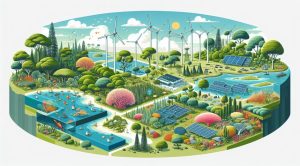
Forest Ecosystems form the living framework of our planet. From dense tropical rain forest to cool boreal forest and mixed temperate woodlands they host immense biodiversity and deliver essential services that sustain human life. This article explores the structure and function of forest ecosystems the major types found around the world the threats they face and best practice approaches to conserve and restore these vital natural systems.
What Is a Forest Ecosystem
A forest ecosystem is a community of plants animals fungi microbes and soil interacting with each other and with elements of the physical environment such as water light and nutrients. Trees are the defining feature but the system also includes understory plants dead wood soil organisms and the complex food webs that connect all life forms. Forest ecosystems operate at multiple scales from a single grove to entire mountain ranges and influence regional climate soil formation and water cycles.
Types of Forest Ecosystems
Forests vary with climate latitude elevation and soil type creating distinct ecosystem types. Major categories include tropical rainforest rich in species and layered canopy structure temperate forest with seasonal dynamics and mixed species composition and boreal forest dominated by conifer trees adapted to cold conditions. Each type supports unique assemblages of species and provides a different mix of ecosystem services such as freshwater regulation carbon storage and timber supply.
Key Functions and Ecosystem Services
Forest ecosystems deliver multiple benefits that are vital for people and wildlife. They act as a natural water filter and regulate stream flows reducing flood risk and maintaining water quality. Forest soils store nutrients and support a vast microbial community that recycles organic matter and maintains soil fertility. Forests also sequester carbon in living biomass and soil thereby mitigating climate change. In addition forests provide timber fuel non timber products and cultural services that support recreation spiritual values and livelihoods for many communities.
Biodiversity and Food Webs
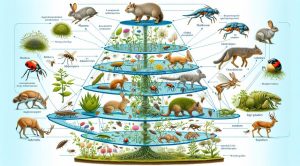
High levels of biodiversity are one of the most valuable attributes of forest ecosystems. A typical mature forest includes hundreds of plant species birds mammals insects fungi and countless microorganisms. These species are linked through pollination seed dispersal predation decomposition and nutrient cycling. Loss of one key species can ripple through the food web affecting ecosystem stability and resilience.
Threats to Forest Ecosystems
Human activity is the primary driver of forest loss and degradation. Land conversion for agriculture and urban growth along with illegal logging and unsustainable fuel wood harvesting reduce forest cover and fragment habitats. Climate change alters temperature and precipitation patterns increasing frequency of fires pest outbreaks and drought stress. Pollution invasive species and poorly planned infrastructure further weaken ecosystem health. Maintaining forest integrity requires addressing these pressures with both local and global measures.
Conservation Strategies That Work
Conserving forest ecosystems demands a mix of protected areas sustainable management and community engagement. Strictly protected reserves conserve biodiversity hot spots while sustainable forestry practices allow timber production without compromising ecosystem function. Community based management programs empower local people to steward forests secure livelihoods and maintain traditional knowledge that supports conservation objectives. Effective policy instruments include land use planning payments for ecosystem services and legal frameworks that recognize community rights over forest resources.
Restoration and Reforestation Approaches
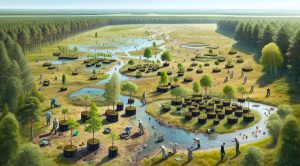
Where forests have been cleared or degraded restoration can recover ecosystem services and biodiversity. Natural regeneration is often the most cost effective approach where seeds and remnant vegetation remain. Active restoration such as planting native tree species is needed where the seed source is lost or soil is heavily degraded. Successful projects prioritize native species genetic diversity and landscape connectivity. Long term monitoring adaptive management and involvement of local stakeholders increase restoration success and yield multiple benefits for people and nature.
Forest Management for Climate Resilience
Managing forests to enhance climate resilience is a rising priority. Practices include maintaining mixed age and mixed species stands controlled harvesting methods reduced impact logging and protecting old growth areas that store large amounts of carbon. Restoring riparian buffers and maintaining canopy cover helps moderate stream temperatures and preserves water quality. Integrating scientific monitoring with traditional ecological knowledge improves the ability of forest ecosystems to adapt to changing conditions.
Urban Forests and Human Well Being
Urban and peri urban forests are critical for human health and city resilience. Street trees parks and green corridors lower urban heat island effects improve air quality and provide spaces for recreation and mental restoration. Urban planning that integrates tree canopy targets community access to green space and ensures long term maintenance can transform how cities interact with nature and provide measurable public health benefits.
How You Can Help Protect Forest Ecosystems
Individual actions can make a meaningful difference. Support certified sustainable wood and paper products reduce waste and choose products with transparent supply chains. Participate in local tree planting or habitat restoration events and support organizations that protect forests at landscape scale. Learn about the forests near you and share knowledge with your community to build awareness and political support for strong conservation policy. For additional resources and guides on natural living and stewardship visit bionaturevista.com where practical articles and project ideas are available.
Technology and Innovation in Forest Conservation
New tools are reshaping how we monitor and protect forest ecosystems. Remote sensing and drones provide high resolution data on forest cover and health enabling rapid response to illegal activity or disease outbreaks. Data platforms and predictive models help prioritize conservation action while mobile apps connect local users to reporting networks. For tools and services that support restoration planning and operational logistics see partners such as Fixolix.com which provide solutions for field operations and resource management.
Looking Ahead
Sustaining forest ecosystems requires integrated action across sectors and scales. Strong governance scientific knowledge community leadership and appropriate investments are all part of a solution that protects biodiversity and maintains the services forests provide to people. By valuing forests for their full range of benefits and by acting now to reduce threats and restore degraded areas we can ensure that forest ecosystems continue to support life on Earth for generations to come.
Forest ecosystems are complex resilient systems that need our attention and care. Whether you are a land manager policy maker student or an engaged citizen there are many ways to contribute to forest conservation and restoration. Start locally seek out credible information engage with community efforts and support policies that prioritize long term health of forest ecosystems worldwide.