

Coastal Ecosystems: Life, Services and Conservation
Coastal ecosystems are dynamic interfaces where land meets sea and where a remarkable range of life forms and processes converge. These systems include estuaries, mangrove forests, salt marshes, seagrass meadows, rocky shores and sandy beaches. Together they support biodiversity, protect communities and store carbon while providing food and livelihoods to millions of people. Understanding coastal ecosystems and acting to conserve them is vital for both nature and human wellbeing.
What Are Coastal Ecosystems
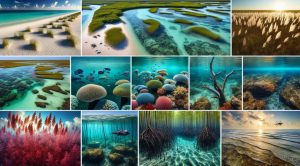
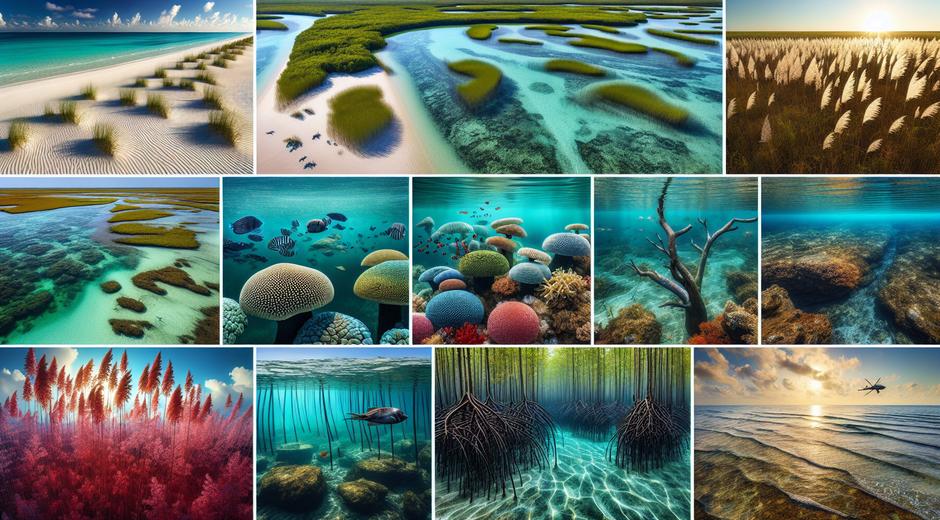
Coastal ecosystems are ecological communities located at the margin between terrestrial and marine environments. They are shaped by tides, waves, salinity gradients and freshwater inflows. Estuaries form where rivers meet the sea creating rich nurseries for fish. Mangroves grow in tropical and subtropical shores with complex root systems that trap sediment. Salt marshes tend to dominate temperate zones with grasses that stabilize shorelines. Seagrass meadows are underwater flowering plants that support a wealth of marine life. Rocky intertidal zones offer niches for algae, mollusks and crustaceans. Each habitat type interacts with the others to form an integrated coastal mosaic.
Key Habitats and Their Role
Coastal habitats each play distinct roles that add up to a functioning coastal system. Mangroves and salt marshes are excellent at trapping sediments and buffering wave energy which reduces erosion and protects inland areas from storm surge. Seagrass meadows act as fish nurseries and stabilize seabeds. Estuaries support migratory species and provide sites for nutrient cycling. Rocky shores host specialized species that can tolerate exposure and variation in moisture. The connectivity among these habitats supports life cycles of fish, birds and mammals while sustaining nutrient flows and primary productivity. Together these habitats maintain the ecological integrity of shorelines and adjacent seas.
Ecosystem Services of Coastal Areas
Coastal ecosystems provide a wide range of services that benefit society and the economy. These include:
– Provisioning services such as fisheries, shellfish, seaweed and raw materials that support commercial and subsistence livelihoods.
– Regulatory services like shoreline stabilization, flood attenuation and carbon sequestration that reduce risk and help regulate climate.
– Cultural services including recreation, tourism, spiritual values and aesthetic enjoyment that enrich human life.
– Supporting services such as nutrient cycling, primary production and habitat provision that enable other services to exist.
The value of these services is large yet often undervalued in conventional economic accounts. Protecting and restoring coastal ecosystems is therefore a cost effective approach to maintaining the benefits they yield for people and the planet.
Major Threats to Coastal Ecosystems
Coastal systems face multiple pressures that can degrade their function and reduce their resilience. Overfishing and destructive harvesting practices remove key species and alter food webs. Pollution from land based sources including agricultural runoff, sewage and plastics harms water quality and living organisms. Coastal development and conversion of habitat to urban or industrial uses reduce the area of natural ecosystems. Climate change brings rising sea level, changing storm patterns and warming waters which shift species ranges and increase stress. Invasive species can disrupt established ecological balances. Multiple stresses acting together often produce effects greater than the sum of their parts, leading to rapid declines in habitat condition.
Conservation and Restoration Strategies
Effective conservation of coastal ecosystems blends protection, sustainable use and active restoration. Marine protected areas and no take zones can safeguard vital habitats and allow populations to recover. Sustainable fisheries management and community based quotas help maintain productive fish stocks. Restoring mangroves and salt marshes by replanting native species and allowing natural tidal flows to return can reestablish shoreline protection and carbon storage. Seagrass restoration through transplanting and water quality improvement can revive nursery functions. Controlled reintroduction of species combined with invasive species control supports ecosystem rebalancing.
Partnerships between scientists, local communities and conservation groups are essential for success. Practical restoration must consider hydrology, sediment dynamics and species interactions so that interventions work with natural processes. Monitoring and adaptive management allow projects to be corrected in response to new data. For examples of methods and tools used in large scale conservation work see trusted resources and collaborative networks such as Ecoglobalo.com which showcase case studies and technical guidance.
Climate Change and Coastal Resilience
Climate change amplifies existing threats and introduces new challenges for coastal systems. Sea level rise inundates low lying habitats and increases salinity in estuaries. Warmer waters can trigger shifts in species distributions and increase the frequency of harmful algal blooms. More intense storms erode beaches and damage living shorelines. Building resilience requires integrating natural infrastructure with engineered solutions. Living shorelines that use vegetation and natural materials can dissipate wave energy while maintaining habitat. Managed retreat and strategic land use planning reduce exposure of communities and allow habitats room to migrate inland where feasible. Policies that reduce greenhouse gas emissions are also critical to limit long term changes.
Monitoring, Science and Technology
Monitoring programs that track water quality, species abundance and habitat extent are central to informed management. Remote sensing and satellite imagery help detect large scale changes in shoreline position and vegetation cover. Citizen science projects expand data collection and engage local stakeholders. Advances in restoration science such as improved propagation of seagrass and mangrove seedlings increase success rates. Data driven decision making supports prioritization of sites for protection and restoration based on biodiversity value, ecosystem services and social importance.
Community and Policy Actions
Local communities are often the first responders and best stewards of coastal resources. Community led management plans that combine traditional knowledge with scientific input can produce durable outcomes. Education and outreach build public support for conservation and encourage sustainable practices such as reduced use of plastics, proper waste disposal and habitat friendly tourism. Policy measures at regional and national levels that integrate land based and marine planning, enforce pollution controls and provide incentives for conservation are also important. Cross sector collaboration among governments, private sector and civil society fosters the investments needed for long term coastal health.
How Individuals Can Support Coastal Health
Individuals can play a direct role in protecting coastal ecosystems through everyday choices and active involvement. Simple actions like reducing single use plastics, properly disposing of hazardous materials and supporting sustainable seafood choices reduce local pollution and pressure on marine species. Volunteering for shoreline clean ups, participating in restoration events and supporting conservation organizations amplify impact. Learning about local habitats and sharing knowledge with others raises awareness and builds a culture of stewardship. For readers who want to explore more nature focused content and resources visit our main site at bionaturevista.com for articles, practical tips and links to projects that support coastal and marine wellbeing.
Conclusion
Coastal ecosystems are vital living systems that provide a multitude of benefits ranging from food and shelter to climate regulation and cultural value. Protecting these systems requires concerted action across science, policy and community practice. Conservation and restoration efforts that work with natural processes can restore resilience and sustain the services that people rely on. By valuing coastal nature and taking practical steps to reduce pressures and support recovery we can help ensure healthy coasts for future generations.