

Climate Influence: Understanding the Forces That Shape Nature and Human Life
Climate Influence is a term that captures the many ways in which climate affects ecosystems, human communities and economic systems around the globe. At a time when changes in temperature, precipitation and extreme weather events are more visible than ever before, learning how Climate Influence operates helps citizens policy makers and conservationists make informed choices. This article explores the science behind Climate Influence its practical effects on biodiversity and human health and the tools we can use to measure and respond to it.
What Climate Influence Means in Nature
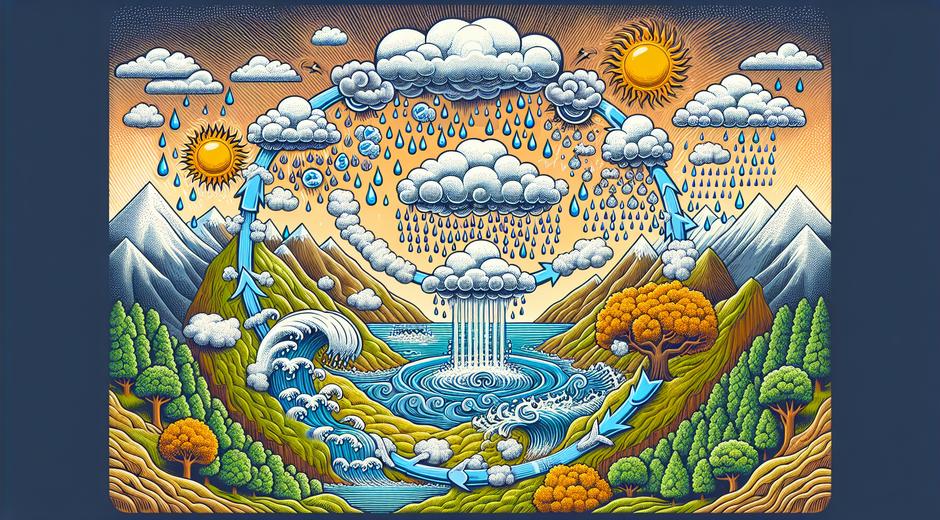
Climate Influence refers to the direct and indirect processes by which climate conditions alter the distribution of species the timing of seasonal events and the productivity of natural systems. Temperature and rainfall patterns drive plant growth cycles which in turn shape food webs. For example shifts in the timing of flowering or migration affect pollination and predator prey relations. Ocean temperature changes alter currents and nutrient availability with deep consequences for marine life. Mountain ecosystems respond to changes in snowpack and melt patterns with impacts on freshwater availability for downstream communities.
Understanding Climate Influence starts with recognizing that climate acts at multiple levels. Local microclimates such as a forest canopy or an urban street can differ sharply from regional averages. These local patterns determine where seedlings survive and which insect species can complete their life cycles. At the same time large scale atmospheric and oceanic patterns alter weather over entire continents affecting agricultural yields and water supply.
How Climate Influence Shapes Biodiversity
Biodiversity responds to Climate Influence in two main ways. First there is range shift. As temperature and rainfall zones move species track suitable habitat when they can. Mobile species such as birds and some mammals may relocate to higher latitudes or elevations. Less mobile species or those with narrow habitat needs face higher risk of local extinction. Second there is phenological change. The timing of life cycle events like breeding and flowering may advance or delay. When interacting species respond differently conflicts arise for pollinators and plants or for predators and prey.
These changes are already visible in many regions. Coral reefs suffer from bleaching when water temperature increases reduce the capacity of corals to host essential algae. Forest composition changes when drought stress increases tree mortality and allows opportunistic species to expand. Freshwater ecosystems shift as temperature and flow regimes change influencing fish success and aquatic plant growth. The cumulative effect of many local shifts is a large scale rearrangement of biodiversity that is a central feature of Climate Influence.
Climate Influence on Human Health and Societies
Human communities feel Climate Influence through altered patterns of disease food security and disaster risk. Changes in temperature and humidity affect the ranges of insect vectors that transmit diseases such as dengue and malaria. Warmer conditions can increase the speed of pathogen development which may amplify disease transmission risk. Agricultural systems respond to Climate Influence with variable outcomes. Some regions may see longer growing seasons and higher yields for certain crops while others face more frequent drought and crop failure leading to food insecurity.
Extreme weather events amplified by Climate Influence such as heavy rainfall heat waves and severe storms cause direct harm to people and infrastructure. Coastal communities face rising sea levels and increased coastal flooding which threatens homes and freshwater supplies. Urban areas with poor planning experience amplified heat stress and air quality problems that affect vulnerable populations. These pressures interact with social economic and political factors to influence migration patterns and the resilience of communities in the face of shocks.
Measuring Climate Influence: Data Tools and Indicators
Accurate assessment of Climate Influence relies on a combination of observational networks models and ecological surveys. Long term meteorological records provide the baseline for detecting trends in temperature and precipitation. Remote sensing from satellites offers high resolution data on land cover sea surface temperature and vegetation health across broad scales. Ecologists use field surveys and citizen science data to track changes in species distribution and phenology which are essential biological indicators of Climate Influence.
Models play a key role in linking climate drivers to biological outcomes. Process based ecological models simulate how species reproduce grow and disperse under different climate scenarios. Coupled climate ecological models help predict future patterns of habitat suitability and potential hotspots of biodiversity loss. While models include uncertainty they provide critical guidance for planning protected area networks and designing corridors that allow species to move in response to Climate Influence.
Responding to Climate Influence: Adaptation and Mitigation Strategies
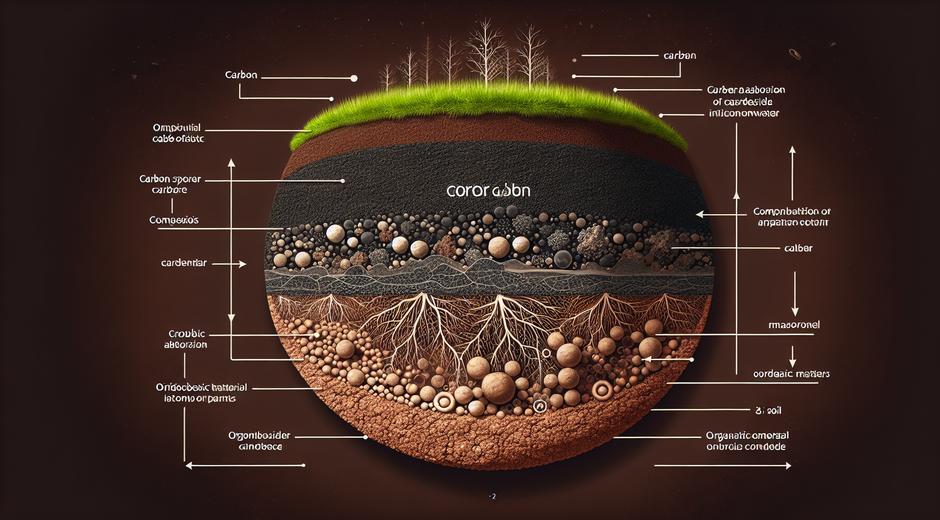
Society can respond to Climate Influence in two complementary ways. Mitigation reduces the human caused drivers of climate change by lowering emissions of greenhouse gases. Adaptation builds resilience to the changes that are already occurring. In natural resource management adaptation may mean protecting and restoring ecosystems that buffer climate impacts such as wetlands and mangroves. In cities adaptation includes green infrastructure strategies to reduce heat stress and improve storm water management.
Successful strategies for dealing with Climate Influence combine scientific evidence traditional knowledge and participatory planning. Community led conservation that enhances habitat connectivity allows species to move and increases ecosystem resilience. Agricultural practices that improve soil health increase water retention and reduce vulnerability to drought. Public health systems that strengthen disease surveillance and early warning systems limit the human toll of climate amplified hazards.
For readers seeking resources that link human wellness and environmental change I recommend exploring trusted partners who focus on integrated approaches to health and nature. One such resource is BodyWellnessGroup.com which offers information on holistic wellbeing that connects lifestyle habits with environmental awareness. When health professionals and conservationists share knowledge the overall capacity to respond to Climate Influence improves.
Policy and Community Action to Manage Climate Influence
Effective policy recognizes the multifaceted role of Climate Influence across sectors. Land use planning that accounts for changing climate conditions protects natural buffers and reduces vulnerability to natural hazards. Protecting biodiversity rich areas and designing networks that anticipate future range shifts are policy priorities. Economic incentives for sustainable agriculture and forestry practices reduce pressure on fragile ecosystems and help communities adapt their livelihoods.
At the local level communities can act immediately. Restoring native vegetation improving water conservation and diversifying income sources increase local resilience. Education programs that convey the basics of Climate Influence empower citizens to take practical steps such as planting shade trees improving household water storage and supporting community based early warning systems. Collective action at local levels scales up to create broader societal shifts needed to cope with ongoing change.
How Individuals Can Reduce Their Own Climate Influence
Individual choices matter when multiplied across many people. Reducing waste improving energy efficiency and choosing nature friendly foods lower personal contributions to greenhouse gas emissions. Supporting local conservation initiatives and participating in habitat restoration projects directly helps ecosystems adapt to Climate Influence. Advocacy matters too. Engaging with local planners supporting science based policies and voting for leaders who prioritize sustainability change the context in which communities respond to climate related risks.
For those interested in practical steps that link personal wellbeing with planetary health consider resources that address both health and environment. Our site bionaturevista.com provides articles and guides that help readers apply conservation actions in daily life and learn how Climate Influence intersects with local ecosystems. By combining knowledge with action readers can contribute to healthier more resilient communities and landscapes.
Conclusion: Living With an Active Climate Influence
Climate Influence is not a distant abstraction. It is a real force that shapes where species live how communities thrive and the risks people face from natural hazards. Understanding the mechanisms of Climate Influence measuring its effects and designing thoughtful responses are essential tasks for the twenty first century. By integrating science policy community engagement and personal action we can reduce vulnerability and create a future where both people and nature flourish despite ongoing change.
Recognizing the connections between human wellbeing and the environment helps turn concern into constructive action. Whether you are a scientist a policymaker a community leader or a concerned citizen learning about Climate Influence is the first step toward effective stewardship of the planet.