

Habitat Restoration: Rebuilding Nature for People and Planet
Habitat Restoration is a vital field that combines science, community action and policy to repair broken landscapes and revive natural functions. As pressure from urban growth agriculture and climate change grows, restoring habitat becomes a central strategy to preserve biodiversity maintain ecosystem services and create resilient landscapes that benefit both wildlife and people. This article explores practical methods guiding principles and measurable outcomes for effective habitat restoration that can be applied in local parks coastal margins forests wetlands and urban corridors.
What Habitat Restoration Means and Why It Matters
At its core Habitat Restoration means bringing back the structure function and species composition of a natural area so that it can support native life and provide ecosystem services. These services include water purification carbon storage flood regulation pollination and recreational value. Restored habitat helps protect vulnerable species supports food webs and increases the capacity of landscapes to adapt to changing local climate conditions.
Successful restoration is not just about planting trees or removing invasive species. It is about understanding the original condition of a place the historical drivers of degradation and the social context that shapes land use today. When communities are involved restoration projects gain social value and long term sustainability. For more information about nature focused initiatives visit bionaturevista.com to explore practical guides case studies and local success stories.
Key Principles That Guide Effective Restoration
Several guiding principles help practitioners design projects that lead to durable outcomes. The first is setting clear goals that are specific measurable and time bound. Goals may focus on increasing native species richness improving soil health reducing erosion or restoring hydrological flows. Second is using a science based approach where baseline ecological surveys inform intervention choices. Third is using adaptive management so projects can be adjusted in response to monitoring data. Fourth is involving local stakeholders to ensure projects align with community needs and to build long term stewardship.
Common Restoration Techniques
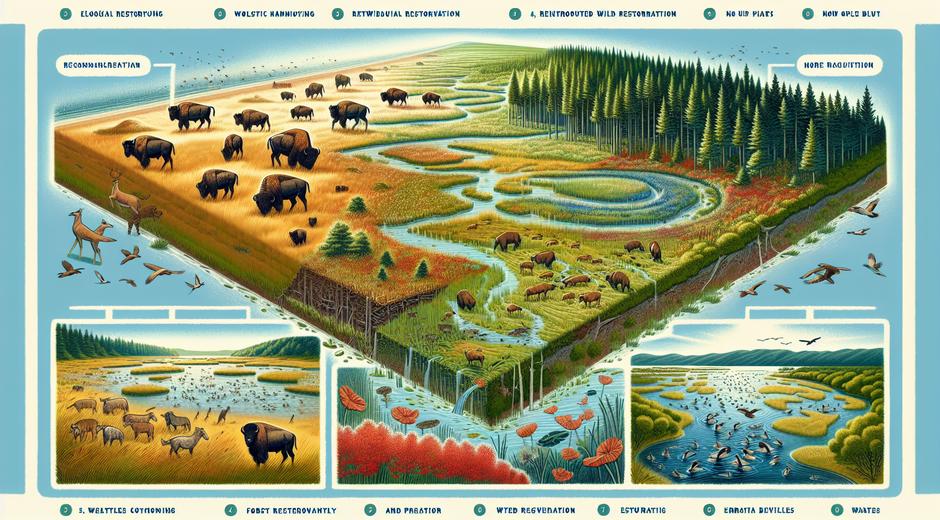
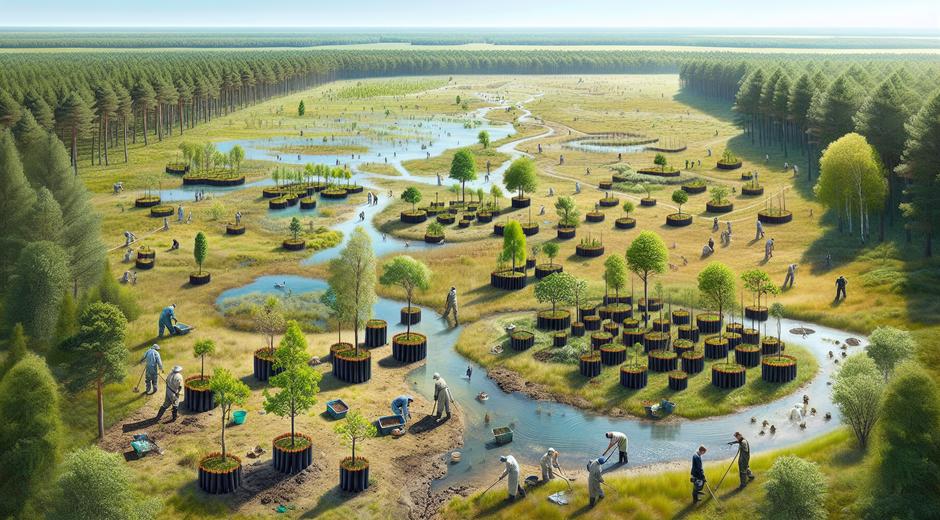
Restoration practitioners choose techniques based on site conditions and objectives. Typical approaches include active planting of native vegetation natural regeneration by removing barriers to recovery controlling or eradicating invasive species and reintroducing keystone species that support habitat structure. Hydrological restoration may include regrading land reconnecting floodplains or removing obsolete water control structures so that wetlands can function naturally.
Soil restoration is often overlooked yet it plays a pivotal role. Techniques such as adding organic matter promoting microbial activity and avoiding heavy machinery that compacts soil can speed recovery. In urban contexts green infrastructure such as bioswales and native plant corridors support pollinators and reduce runoff while providing aesthetic and recreational benefits.
Designing Projects for Biodiversity and Resilience
Design decisions shape the biodiversity outcomes of a restoration project. Selecting a diversity of native plant species that flower at different times supports a wide range of pollinators and birds. Creating structural complexity through layers of ground cover shrubs and trees provides habitat niches for many species. Connecting restored patches through ecological corridors improves genetic exchange and species movement which enhances resilience to disturbances.
Restoration can also be targeted to create refuges for climate sensitive species by preserving microclimates and prioritizing cooler wetter locations. Monitoring both species presence and ecological processes such as nutrient cycling provides evidence of recovery and highlights opportunities for management adjustments.
Measuring Success: Indicators and Monitoring
Success in Habitat Restoration must be defined by measurable indicators. Typical indicators include increases in native species richness reductions in invasive species cover improvements in soil quality and restoration of hydrological patterns. Social indicators such as community participation levels and economic benefits from eco tourism are also important.
Long term monitoring programs ensure that early gains are sustained. Using a mix of professional surveys community science and remote sensing helps gather rich datasets while building local capacity. Data driven reviews allow managers to refine planting regimes control efforts and adapt to unforeseen threats such as pest outbreaks or extreme weather events.
Community Roles and Policy Support
Communities are essential partners in restoration. Volunteer planting days citizen monitoring programs and local education initiatives create ownership and reduce maintenance costs. Including indigenous knowledge and local land use history often yields important insights for selecting species and methods that align with place based ecology.
Policy and funding support are also critical. Incentive programs for private landowners regulatory frameworks that favor restoration over removal and grants for long term stewardship help scale up successful models. Integrating restoration goals into land use planning and climate action plans ensures that restored landscapes are protected and sustained.
Challenges and How to Overcome Them
Restoration faces many challenges including limited funding competing land uses invasive species pressure and uncertainty from climate shifts. Overcoming these obstacles requires flexible funding sources long term planning and partnerships across government academia business and civil society. Innovative finance models such as payments for ecosystem services conservation finance and community based enterprises can provide stable funding streams.
Technical challenges can be addressed through research partnerships and pilot projects that test techniques before scaling up. Sharing lessons learned through open platforms expands the knowledge base and reduces repetition of past mistakes.
Case Studies That Illustrate Impact
Examples from around the world show how targeted efforts deliver measurable benefits. Coastal restoration that reestablishes mangroves improves shoreline protection and supports fish nurseries. Prairie restoration that uses prescribed fire and native seed mixes increases pollinator diversity. Urban restoration projects that convert vacant lots into native gardens reduce heat island effect and provide community green space.
For travelers and nature lovers there are destinations where restoration is part of the visitor experience. Learning about local recovery efforts can enhance appreciation and support for protection. If you are planning travel that includes nature learning consider options that highlight ecological recovery and community led conservation on platforms such as TripBeyondTravel.com where restorative travel experiences are promoted.
Practical Steps for Getting Started Locally
Individuals and groups can take practical steps to support habitat restoration in their neighborhoods. Start by identifying a site and conducting a simple baseline survey to document plants birds and other wildlife. Check local guidelines and seek partnerships with conservation groups or municipal programs. Begin with small pilot plots use native species and track progress. Host community events to recruit volunteers and share updates to build momentum.
Teaching children about restoration through hands on activities fosters a conservation ethic that lasts a lifetime. Local schools community centers and nature groups can adopt projects so that maintenance and monitoring continue beyond initial planting phases.
Conclusion
Habitat Restoration is a powerful tool for healing nature and enhancing human wellbeing. By following science based principles engaging communities and measuring outcomes we can rebuild ecosystems that support diverse life improve climate resilience and provide lasting benefits. Whether you are a landowner volunteer planner or traveler there are meaningful ways to contribute to restoration efforts. Start small scale learn continuously and connect with networks that share expertise and resources so that restoration becomes a widespread movement that restores health to landscapes and hope to future generations.