

Habitat Conservation: Protecting Nature for Future Generations
Habitat Conservation is the foundation for sustaining biodiversity and ensuring that ecosystems continue to provide essential services to people and wildlife. As natural areas face increasing pressure from development, pollution and climate change, clear thinking and focused action are needed to protect the places where species live and ecosystems function. This article explores why Habitat Conservation matters, the main threats it faces, effective strategies for preserving habitats and practical ways individuals and communities can take part.
Why Habitat Conservation Matters
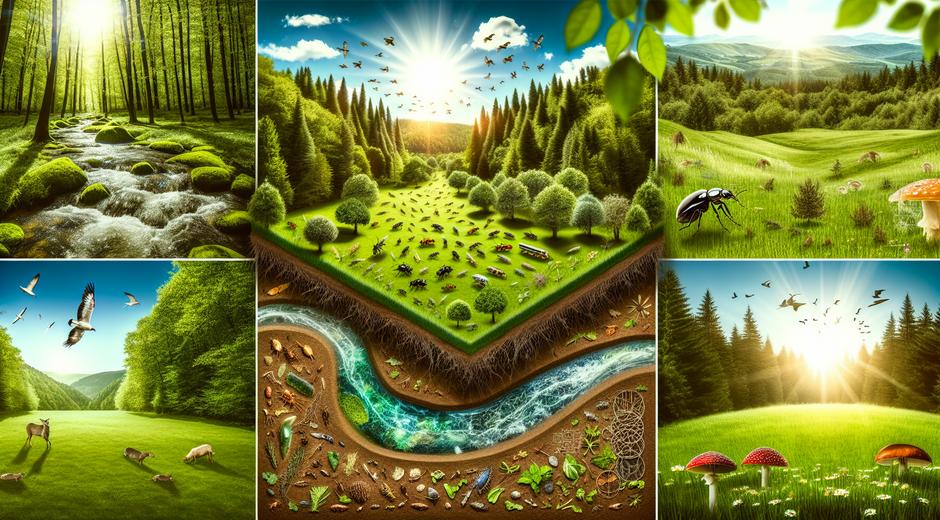
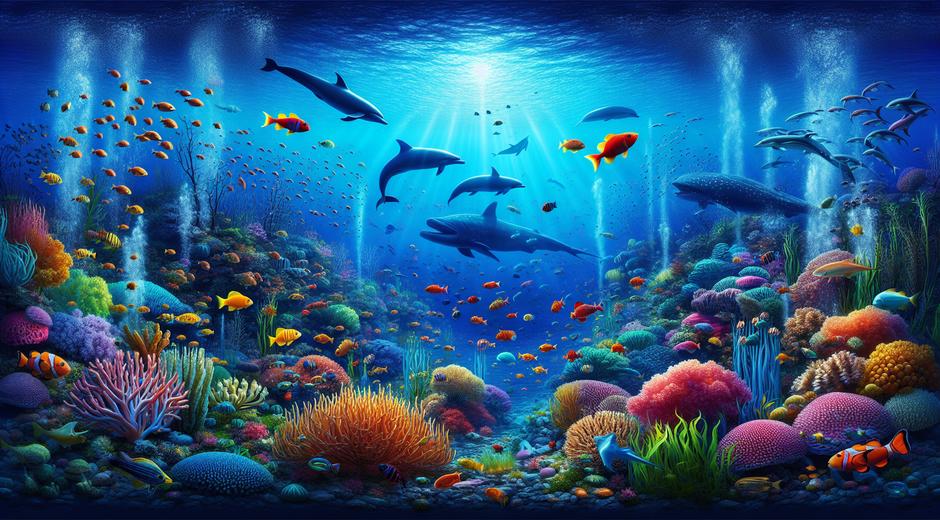
Habitats support life by providing food, shelter and space for reproduction. Healthy habitats regulate water cycles, store carbon and filter air and water. When habitats are lost or degraded, species populations fall and the balance of ecosystems can collapse. Habitat Conservation is not just a matter of protecting charismatic animals. It is a broad effort to maintain the complex web of interactions that supports crops, medicines and the climate systems we all rely upon.
Conserving habitats also supports cultural values and economic benefits. Indigenous communities and local people depend on intact ecosystems for livelihoods and cultural practices. Tourism and recreation thrive when natural places are preserved. By prioritizing Habitat Conservation, societies can protect nature and preserve the resources that support long term human well being.
Main Threats to Habitats
Understanding the pressures on habitat helps guide effective action. The top threats include habitat loss due to land conversion for agriculture and urban growth, pollution from industrial and household sources, invasive species that outcompete native life and climate change that alters temperature and precipitation patterns. Fragmentation of remaining habitat into isolated patches undermines the ability of species to move, find mates and access resources. Overextraction of water and unsustainable resource use further erode habitat quality.
Many of these threats act together, producing effects that are greater than the sum of their parts. For example, a fragmented landscape can make species more vulnerable to drought brought by a changing climate. Addressing such combined threats requires integrated Habitat Conservation planning at local regional and national scales.
Core Principles of Effective Habitat Conservation
Successful Habitat Conservation follows a set of practical principles. First, protect the most important areas for biodiversity by identifying key habitat patches and connectivity corridors. Second, conserve a range of habitat types to reflect the variety of species and ecological functions in a region. Third, use science based monitoring to track habitat condition and species responses so that actions can be adapted. Fourth, involve local communities so that management meets human needs while preserving nature. Finally, combine protection with restoration where habitats have been degraded so they can recover and deliver benefits once again.
Strategies and Tools for Preserving Habitat
Conservation actions range from strict protected areas to incentive based programs that encourage sustainable land use. Establishing protected zones such as reserves and parks keeps large intact areas safe from conversion. Where people live and work on the land, conservation easements payment for ecosystem services and sustainable agriculture practices can reduce pressure on natural habitat. Restoring degraded areas by removing invasive species replanting native vegetation and reconnecting fragmented patches improves resilience.
Science and technology provide tools that enhance planning and management. Remote sensing and geographic analysis help map habitats and detect change. Genetic studies reveal population health and guide translocation or captive breeding when needed. Participatory mapping and local knowledge are essential to design solutions that are socially equitable and effective. To learn more about how community resources can support outdoor learning and family engagement with nature visit CoolParentingTips.com where practical tips can inspire the next generation to care for habitats.
How Individuals Can Help
Individuals can make meaningful contributions to Habitat Conservation. Small choices at home and in the community add up. Planting native species in gardens reduces the need for water and chemicals and creates mini habitats for pollinators and small wildlife. Reducing single use products and disposing of waste properly prevents pollution that harms aquatic and terrestrial habitats. Supporting local conservation projects volunteering with habitat restoration groups and practicing responsible recreation in parks all help protect sensitive places.
Education is another powerful tool. Teaching children about the value of nature and inviting them to explore outdoor spaces builds lifelong stewardship. For families looking for simple ways to connect young people to nature and to learn practical tips for involving children in conservation activities explore resources at bionaturevista.com. Sharing knowledge with neighbors and advocating for better local policies can amplify individual actions into community scale impact.
Policy and Community Level Actions
Habitat Conservation relies on effective policy that balances development with protection. Land use planning that incorporates conservation priorities prevents irreversible loss. Incentives for private landowners to conserve habitat can expand protection beyond public lands. Strong regulations on pollution and resource extraction reduce degradation. International agreements play a role where migratory species and shared waters cross borders. Collaboration among governments businesses non government organizations and communities creates the conditions for long term success.
Local governments can establish green corridors urban parks and riparian buffers to support species movement and enhance human wellbeing. Community based management approaches empower residents who understand local needs and can monitor changes on the ground. Combining top down support with bottom up engagement ensures that Habitat Conservation is durable and equitable.
Measuring Success in Habitat Conservation
Clear metrics help evaluate progress. Indicators include the area of habitat protected the degree of connectivity among habitat patches population trends for focal species and measures of ecosystem function such as water quality and carbon storage. Regular monitoring and transparent reporting build public trust and guide funding priorities. Adaptive management uses monitoring results to refine techniques and prioritize actions that yield the best outcomes for habitat health and biodiversity.
Cost effective approaches focus resources where they have the greatest impact. Prioritizing critical habitats that support many species or that provide essential ecosystem services can yield large returns for both nature and people.
Restoration and Long Term Resilience
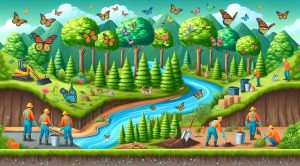
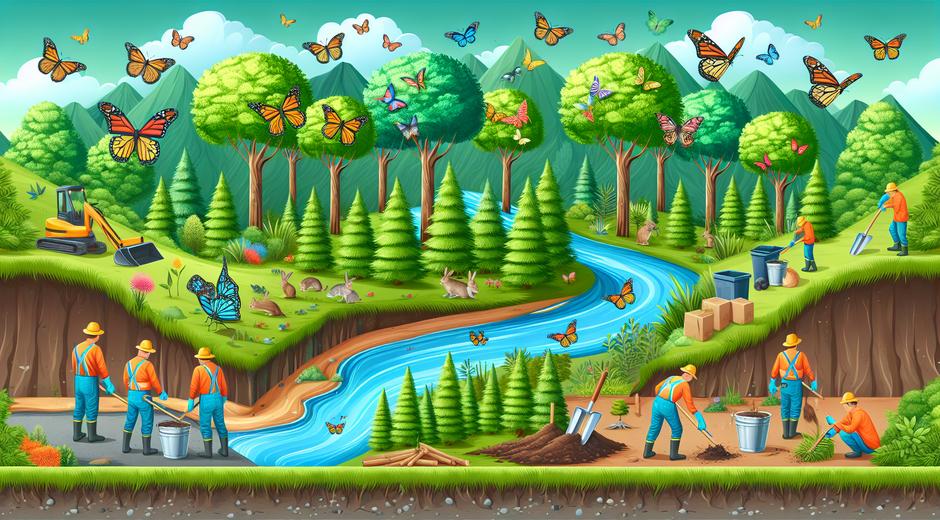
Where habitats have been altered restoration is a path to recovery. Planting native vegetation reestablishes structure and function. Restoring natural water flows can revive wetlands and rivers. Controlling invasive species gives native life a chance to rebound. Restoration is most effective when combined with protection and sustainable management so that gains are not lost to future threats.
Building resilience to climate change involves protecting a diversity of habitats and ensuring connectivity so species can move in response to shifting conditions. Conserving large areas and a variety of ecosystems provides options for species to adapt naturally. In cases where movement is not possible human assisted relocation may be considered with careful planning and ethical review.
Conclusion
Habitat Conservation is a shared responsibility that links science policy culture and everyday choices. By protecting habitats we safeguard biodiversity and preserve the services that sustain human societies. From large scale protected areas to individual actions in gardens and neighborhoods every effort matters. Communities and leaders that invest in Habitat Conservation will leave a legacy of healthy ecosystems for future generations. For ideas on how to get started locally and to find useful educational materials visit bionaturevista.com and explore ways you can be part of habitat protection in your area.