

Glacier Melt: Causes, Consequences, and Paths to Recovery
Glacier melt is one of the most visible signs of a warming planet. As global temperatures rise, glaciers around the world are losing mass at rates that pose serious threats to freshwater supplies, coastal communities, ecosystems, and economies. This article explores the science behind glacier melt, the cascading impacts that follow, monitoring and projection methods, and practical actions that governments, communities, and individuals can take to reduce harm and build resilience.
What Drives Glacier Melt
Glacier melt results from a combination of factors that increase energy input to ice and reduce the ability of glaciers to maintain mass. The dominant driver is rising atmospheric temperature caused by increased concentrations of greenhouse gases. When air temperature increases, melting at glacier surfaces accelerates during warm months and refreezing during cold months declines. Changes in precipitation patterns can also reduce snowfall that replenishes glacier mass. Darkening of ice surfaces due to dust, soot, or biological growth lowers reflectivity so more sunlight is absorbed and melt accelerates. In coastal and marine terminating glaciers, warmer ocean water erodes ice from below and causes rapid retreat. Human activities across energy transport and land use influence many of these processes, creating a strong link between emissions and glacier health.
Feedback Loops That Speed Up Loss
Glacier melt can create powerful feedback loops that amplify warming and ice loss. When ice melts, darker land or water surfaces are exposed which absorb more solar energy compared to reflective ice. This amplifies local warming and leads to further melt. Meltwater can flow into crevasses and beneath ice sheets causing lubrication that speeds flow toward the sea. In regions where permafrost coexists with glaciers, thawing can release greenhouse gases stored in frozen soils which further enhances warming. These feedbacks mean that glacier loss is not a simple linear response to warming but can accelerate once thresholds are crossed.
Observed Changes and Regional Variations
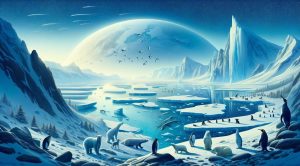
Satellite records, aerial surveys, and field observations document strong glacier retreat across the globe. Mountain glaciers in the Alps Andes and Himalaya are shrinking, with some smaller glaciers expected to disappear within decades if current trends continue. Polar ice sheets in Greenland and Antarctica are losing mass, contributing to global sea level rise. The rate and pattern of glacier melt vary by region and glacier type. For example mountain glaciers respond quickly to local warming while large ice sheets may react more slowly but with greater long term consequences due to their massive volume.
Impacts on Water Resources and Agriculture
Glaciers function as natural reservoirs that release meltwater during dry months and sustain rivers and lakes. As glaciers shrink the timing and magnitude of water flows will change. Initially increased melt may boost water availability and hydropower potential. Over longer periods reduced glacier mass leads to diminished dry season flows affecting irrigation hydropower and drinking water for millions of people who depend on meltwater downstream. Changes in seasonal water supply can strain agriculture especially in regions without resilient irrigation infrastructure or alternative water storage options.
Sea Level Rise and Coastal Risk
Glacier melt contributes to global sea level rise which alters coastal ecosystems and increases the frequency and severity of flooding. Even small increases in average sea level magnify the impact of storm surges and high tides. Coastal erosion saltwater intrusion into aquifers and loss of protective wetlands compound risks for coastal communities. Understanding how glacier melt contributes to sea level rise is essential for planning coastal defenses and resilience strategies for urban and rural populations alike.
Ecosystem and Biodiversity Consequences
Cold water ecosystems and species adapted to glacier fed streams face habitat loss as water warms and flow regimes change. Alpine plants and animals that rely on colder microclimates may see their habitat shrink to higher elevations until none remain. Changes in nutrient supply and sediment loads from increased melt can alter freshwater habitats and downstream coastal zones. The loss of unique glacier connected ecosystems reduces biodiversity and diminishes ecological services that communities rely on for food recreation and cultural value.
Economic and Social Impacts
Glacier melt has direct and indirect economic effects. Reduced water supply undermines agriculture and hydropower revenues. Tourism industries that depend on glaciers for scenic value or winter sports may face declines. Increased risk of glacial lake outburst floods creates hazards for settlements infrastructure and transportation networks. The social consequences include displacement of people economic insecurity and stress on governance systems that must manage scarce water and increasing disaster risk. Planning and investment can lower costs but require accurate projections and timely action.
Monitoring and Predicting Glacier Change
Advances in satellite remote sensing airborne surveys and ground based monitoring provide detailed observations of glacier mass extent and flow. Scientists use these data in combination with climate models to project future glacier loss under different emissions scenarios. Improved models of ice dynamics ocean interaction and atmospheric processes refine predictions of sea level contribution and regional water availability. Ongoing investment in observation networks and open data sharing is essential to create reliable risk assessments that inform policy and adaptation planning.
Mitigation and Adaptation Strategies
Addressing the root cause of glacier melt requires reducing greenhouse gas emissions through a rapid shift to low carbon energy greater energy efficiency and sustainable land use. At the same time adaptation measures can reduce near term risks and protect communities. Examples include updating water management to account for changing flows building storage and recharge systems implementing early warning systems for glacial lake outburst floods and restoring natural buffers such as wetlands. Integrating local knowledge with scientific planning enhances the effectiveness of interventions and supports equitable outcomes for vulnerable groups.
How Individuals and Communities Can Help
Individuals can contribute by reducing emissions through choices in energy consumption travel and diet supporting policies that promote clean energy and conservation and participating in local projects that enhance resilience such as reforestation and sustainable water management. Community level action includes preparing emergency plans improving infrastructure to cope with flood risk and investing in research partnerships that monitor local glaciers and water supplies. Reliable information and community engagement help build the social capital needed to respond effectively as conditions change.
The Role of Technology and Innovation
Technology plays a central role in both mitigation and adaptation. Renewable energy storage and grid improvements reduce reliance on fossil fuels. New materials and engineering approaches can protect critical infrastructure from flood risk. Remote sensing and data analytics improve monitoring and forecasting while decision support tools help managers plan for shifting water availability. Cross sector collaboration accelerates innovation and enables scalable solutions that address glacier melt and its consequences.
Bringing Knowledge to Action
Effective response requires coordination across science policy and local practice. Outreach and education help translate complex findings into actionable steps for leaders and citizens. For readers who want to learn more about nature topics and environmental science consider visiting bionaturevista.com for related articles and resources. If you are exploring how transport choices affect emissions and what vehicle technology can do to reduce carbon output an informative resource to consult is AutoShiftWise.com. Both kinds of knowledge help create the link between individual choices and large scale outcomes that determine glacier futures.
Conclusion
Glacier melt is a clear signal of a changing climate with wide ranging impacts for water resources ecosystems economies and coastal communities. While the challenges are significant there are multiple pathways to reduce future loss and limit harm. Ambitious emissions reductions combined with strategic investments in monitoring and adaptation can protect lives livelihoods and natural systems. The window to act is narrow so timely coordinated efforts at global national and local scales are essential to preserve the benefits that glaciers provide to people and the planet.