

Estuary Dynamics: Understanding the Living Interface Between River and Sea
What an Estuary Is and Why Dynamics Matter
An estuary is a coastal water body where freshwater from rivers meets and mixes with seawater. This mixing creates a unique environment with gradients in salinity, temperature and sediment load. Estuary dynamics describes the physical chemical and biological processes that shape these gradients and determine how estuaries function as productive habitats and natural filters. Understanding these dynamics is essential for conserving biodiversity for supporting fisheries and for protecting coastal communities from erosion and pollution.
Physical Forces Driving Estuary Dynamics
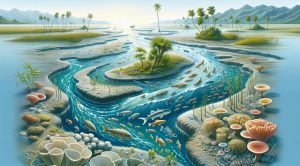
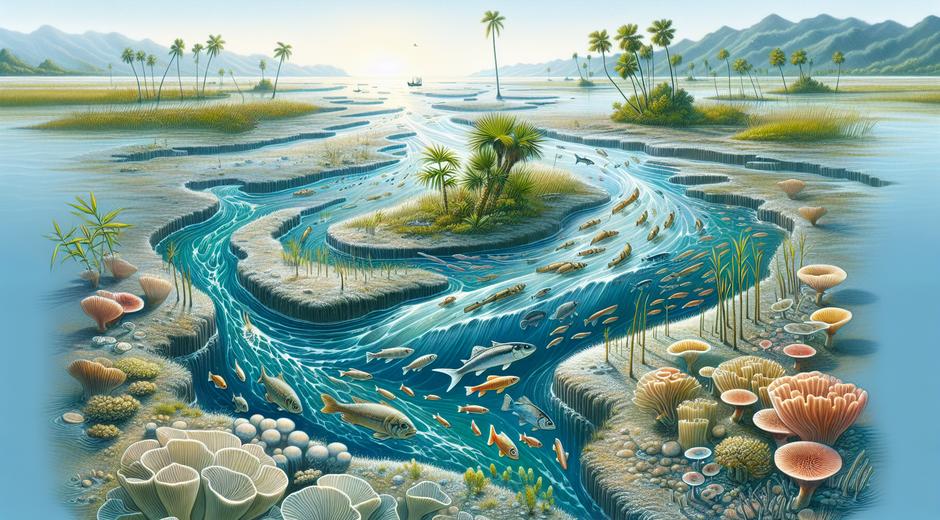
The physical architecture of an estuary sets the stage for all other processes. Tides wind river discharge and basin shape interact to move water and suspended particles. Tidal forcing drives periodic exchange with the open sea which controls salinity and residence time. River flow delivers freshwater nutrients and sediments. Wind can enhance mixing at the surface or push surface waters shoreward causing upwelling or downwelling. Basin geometry including depth channel shape and presence of marshlands influences circulation pathways and the trapping of sediments. Together these forces create a mosaic of habitats from mudflats to seagrass beds each with distinct dynamic regimes.
Nutrient and Carbon Cycling
Estuary dynamics strongly affect how nutrients such as nitrogen and phosphorus are transformed and transported. Rivers bring dissolved and particulate nutrients from upstream landscapes. In the estuary these nutrients can support high rates of primary production leading to blooms of phytoplankton and growth of submerged vegetation. At the same time physical mixing and residence time determine whether nutrients are exported to the coastal ocean or retained and recycled within the estuary. Sediment deposition can bury organic carbon creating long term carbon storage while microbial processes in sediments release gases back to the atmosphere. These coupled biological and physical processes make estuaries important hotspots for nutrient and carbon cycling.
Biological Responses and Habitat Diversity
Estuary dynamics create spatial and temporal variability that many species exploit. Many fish and invertebrates use estuaries as nursery grounds where food is abundant and predators are fewer than offshore. Salt marshes and mangrove forests that fringe many estuaries trap sediments stabilize shorelines and provide habitat for birds and mammals. Seagrass beds and oyster reefs filter water and increase habitat complexity. The timing of river flow and tide cycles influences spawning migrations feeding and recruitment success. Organisms in estuaries are often adapted to cope with changing salinity and oxygen levels yet rapid changes caused by extreme weather events or human alterations can exceed their tolerance and reduce biodiversity.
Human Influences on Estuary Dynamics
Human activities alter the natural dynamics of estuaries in many ways. River dams and water extraction change the timing and volume of freshwater inflow reducing nutrient delivery in some cases and concentrating pollutants in others. Urban runoff and agricultural drainage increase nutrient loads leading to eutrophication and low oxygen events. Land reclamation and shoreline hardening reduce the extent of marshlands and mangroves that once absorbed wave energy and trapped sediments. Fisheries pressure can alter food web structure and invasive species can change habitat complexity. These changes often interact making impacts more severe than any single stressor alone.
Effective management requires integrating science and policy while engaging local communities. Restoration of natural flow regimes removal of barriers and replanting of native vegetation can help restore ecological function. Community based monitoring and adaptive management allow managers to respond to new threats in real time. For readers seeking cross domain perspectives on environmental stewardship and community sport initiatives that promote healthy outdoor engagement visit SportSoulPulse.com for examples of how public health and nature conservation can reinforce each other.
Monitoring Estuary Dynamics
Monitoring combines field observations remote sensing and modeling to capture the complexity of estuary systems. Physical parameters such as salinity temperature current speed and turbidity are measured with sensors on moorings and autonomous profilers. Water quality sampling measures nutrients dissolved oxygen and contaminants. Biological monitoring tracks changes in plankton communities benthic organisms fish and birds. Satellite imagery can map vegetation extent and sediment plumes over large spatial scales. Numerical models synthesize data to simulate scenarios and project how estuary dynamics respond to changes in climate land use and management interventions. Long term datasets are especially valuable for detecting trends and for validating predictive tools.
Climate Change and Future Dynamics
Climate change is reshaping estuary dynamics in ways that are both subtle and dramatic. Sea level rise increases saltwater intrusion pushing saline conditions further upstream and changing the distribution of marshes and freshwater wetlands. Changes in precipitation patterns alter river discharge creating periods of intense flooding or prolonged drought which affect nutrient fluxes and sediment delivery. Warmer temperatures can enhance stratification reducing oxygen levels in bottom waters and favoring harmful algal blooms. Storms can erode shorelines and change channel morphology overnight. Managing for resilience requires planning for uncertainty building buffer zones restoring wetlands and maintaining connectivity along river corridors.
Restoration and Adaptive Management Strategies
Restoration aims to recover natural processes rather than only focusing on single species or habitats. Techniques include reconnecting rivers to floodplains to restore sediment and nutrient dynamics reinstating meanders and shallow habitats to enhance biodiversity and reestablishing native vegetation to stabilize soils and provide habitat. Adaptive management uses monitoring feedback to adjust interventions over time. Engaging stakeholders including fishers land owners and municipal planners increases the chance of success by aligning ecological goals with social and economic needs. Public outreach and education build support for protective policies and create opportunities for citizen science.
Case Studies and Success Stories
Across the globe there are inspiring examples of estuary recovery. In many locations dam removal has restored fish migrations and improved nutrient processing. Marsh restoration projects have increased habitat for birds and improved shoreline protection. Community led oyster reef restoration has improved water clarity and created new habitats. Sharing lessons learned from these projects helps practitioners avoid pitfalls and adapt methods to local conditions. For readers who want local insights on natural history conservation and ways to connect outdoor activity with wellbeing we invite you to explore more resources at bionaturevista.com where case studies and practical guides are published on a regular basis.
Conclusion
Estuary dynamics are the sum of interacting physical chemical and biological processes that make estuaries among the most productive and yet most vulnerable ecosystems on Earth. Protecting these living interfaces requires interdisciplinary science thoughtful policy community engagement and an emphasis on restoring natural processes where possible. By monitoring changes adapting management and fostering broad public support we can conserve estuarine functions that support biodiversity protect coasts and sustain human communities. Embracing the complexity of estuary dynamics allows us to build resilient landscapes that benefit both nature and people.