

Erosion Control Methods
Soil loss and landscape degradation affect habitats water quality and human infrastructure around the globe. Erosion Control Methods are essential for protecting soil keeping waterways clear and preserving the natural beauty of our environment. This article reviews proven approaches to control erosion explains how to choose the right method for a site and offers practical guidance on installation and long term maintenance. For more nature focused guidance visit bionaturevista.com where you will find additional resources on habitat restoration and sustainable land management.
Why Erosion Control Methods Matter
Erosion can be caused by rainfall runoff wind wave action and human activities such as construction agriculture and deforestation. When soil is lost productive land declines sediment loads increase in rivers and estuaries and native plant communities are disturbed. Well chosen Erosion Control Methods reduce sediment transport stabilize slopes protect infrastructure and support biodiversity. They also help reduce the cost of downstream dredging water treatment and habitat restoration work.
Principles of Effective Erosion Control
Successful erosion control follows several basic principles. First maintain or restore vegetation since plant roots bind soil and foliage reduces the impact of raindrops. Second slow down surface flow so that soil particles can settle rather than being carried away. Third protect exposed soil with cover that reduces detachment. Fourth use structural measures to redirect or safely convey excess water. Combine biological mechanical and structural techniques for the best long term outcome.
Vegetation Based Methods
Vegetation is the most sustainable way to control erosion across many site types. Planting native grasses shrubs and trees provides long term soil stability and habitat value. Key vegetation methods include:
- Revegetation with native seed mixes that suit local soil moisture and sun exposure
- Hydroseeding to establish rapid ground cover on large areas
- Use of erosion control blankets made from natural fibers to protect seed and soil while plants establish
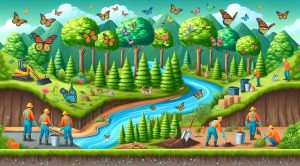
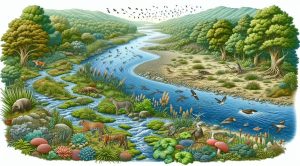
- Riparian buffer planting along stream banks to filter runoff stabilize banks and provide wildlife corridors
When selecting plant species favor deep rooted perennials and mixes that include quick establishing annuals to provide early cover. Avoid invasive species that can outcompete local flora and create long term management problems.
Mechanical and Structural Methods
Many sites require structural interventions to complement vegetation. Retaining walls terraces and check dams offer immediate stability while plantings mature. Common structural Erosion Control Methods include:
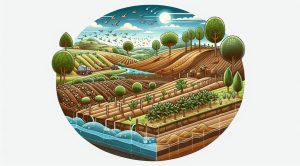
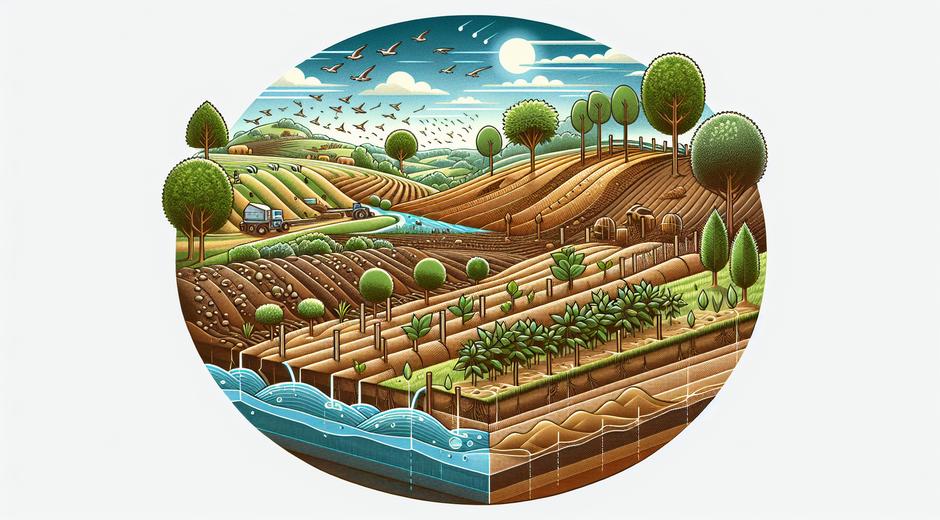
- Terracing and contour shaping to reduce slope length and slow runoff
- Riprap using well compacted rock to armor banks and redirect wave energy
- Gabion structures filled with rock to provide flexible support in channels
- Check dams constructed from stone or logs to slow flow in gullies and encourage sediment deposition
These solutions are often paired with planting on upstream slopes and within the protected zone to integrate engineering and ecological functions. Designs should consider drainage patterns load conditions and local material availability to minimize cost and environmental footprint.
Geosynthetics and Natural Fiber Products
Materials such as geotextiles coir mats and fiber rolls deliver erosion control immediately after installation and assist revegetation. Geotextiles can separate soil layers promote drainage and provide reinforcement in steep areas. Natural fiber products are biodegradable and provide temporary protection while plants establish. Key points for use:
- Choose woven or non woven geotextiles based on permeability and strength needs
- Use coir or straw blankets on slopes to shield seed from rain impact
- Install fiber rolls at contour lines to reduce sheet flow and trap sediment
Combining geotextiles with soil bioengineering such as live staking or brush layering increases resilience and enhances habitat value over time.
Agricultural and Land Management Practices
On working lands adopting erosion control methods that fit farming systems protects soil health and productivity. Practices include:
- Contour farming to follow natural land form and reduce runoff
- Cover cropping to protect soil in fall and winter and to improve organic matter
- Reduced till or no till to preserve soil structure and reduce detachment
- Buffer strips between crop fields and waterways to trap sediments and nutrients
These approaches provide both immediate erosion control benefits and long term improvements to soil fertility and water retention. For land managers and property owners exploring product options and case studies visit StyleRadarPoint.com which highlights a range of materials techniques and supplier information useful for planning projects.
Urban Erosion Control Methods
Cities face erosion challenges where construction exposes soil and where storm water runs off impervious surfaces. Urban erosion control methods focus on reducing runoff volume and velocity while capturing sediments on site. Key measures include:
- Using silt fences and sediment basins during construction to protect nearby waterways
- Installing green infrastructure such as rain gardens bioswales and permeable paving to slow infiltration and filter pollutants
- Stabilizing cut slopes with vegetation or erosion control mats
Early planning for erosion control as part of project permits saves time and reduces regulatory risk. Maintenance plans are critical to prevent reoccurrence once construction ends.
Selecting the Right Erosion Control Method
Choosing the best Erosion Control Methods requires assessment of site slope soil type rainfall intensity and land use. Follow these steps:
- Assess site conditions including soil texture compaction and existing vegetation
- Identify the primary erosion processes at work such as sheet flow gully formation or bank undercutting
- Set goals for stabilization water quality and habitat function
- Select a combination of biological mechanical and structural measures that meet goals within budget
- Create a maintenance plan that covers establishment monitoring and corrective actions
Working with local conservation agencies or experienced contractors helps translate assessment findings into robust designs that stand up to weather events and time.
Installation and Maintenance
Proper installation is as important as design. Follow manufacturer recommendations for materials and use best practice techniques for seeding mulching and anchoring mats. Consider seasonal timing to maximize plant establishment and reduce the need for rework. Typical maintenance tasks include watering new plants removing accumulated debris repairing displaced structures and checking for new erosion signs after major storms.
Measuring Success
Evaluate the performance of Erosion Control Methods with simple monitoring metrics. Measure vegetation cover percentage sediment accumulation in traps or basins and condition of structural elements. Photographic monitoring at regular intervals provides clear evidence of change and supports adaptive management decisions. Over time successful projects should show reduced sediment delivery increased plant cover and stable slopes or banks.
Conclusion
Erosion Control Methods combine ecological knowledge engineering and practical land management to protect soil water and biodiversity. From planting native vegetation to installing riprap or employing geotextile materials the most effective solutions integrate multiple techniques tailored to site conditions. Prioritize prevention early in planning work closely with experts and commit to monitoring and maintenance for long term success. If you want more articles on landscape management restoration and sustainable practices explore further resources on bionaturevista.com and consult product guides on StyleRadarPoint.com.