

Ecosystem Services A Practical Guide to Nature Value
Understanding Ecosystem Services is essential for anyone who cares about nature conservation sustainable development or the long term health of our planet Ecosystem Services are the benefits that people obtain from ecosystems They include the food water and raw materials we rely on the climate regulation and flood control that protect communities and the cultural and recreational experiences that enrich our lives This article explains what Ecosystem Services are why they matter and how communities and businesses can support and benefit from them
What Are Ecosystem Services
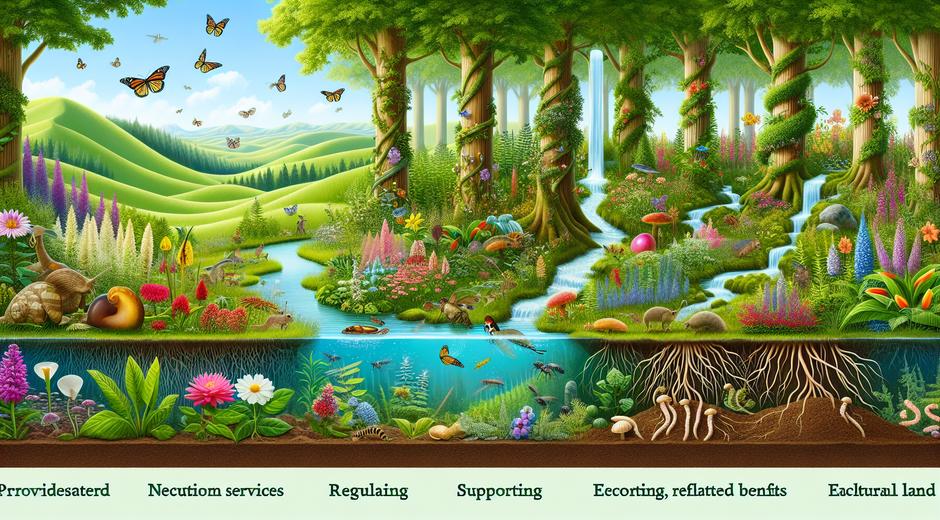
Ecosystem Services describe the many functions of natural systems that support human life and well being These services are often grouped into broad categories Provisioning Services include food fresh water timber and medicinal resources Regulating Services cover climate regulation water purification pollination and protection from natural hazards Cultural Services provide spiritual inspiration recreation and educational value Supporting Services such as nutrient cycling soil formation and primary production underpin all other services without being noticed as often
Why Ecosystem Services Matter for People and Planet
Healthy ecosystems sustain economies and human health They provide the materials farmers fishers and foresters need to earn a living and they reduce costs associated with disaster recovery and public health For example intact wetlands absorb storm water reducing flood damage while forests capture carbon helping to stabilize climate These benefits are often invisible when they are functioning well but their loss can be sudden and costly Protecting and restoring ecosystem function is cost effective and often more resilient than engineered alternatives Ecosystem Services create multiple returns on investment in the form of jobs increased food security and improved wellbeing
How Ecosystem Services Support Climate Resilience
Ecosystem Services play a central role in climate resilience Vegetation and soils store carbon slowing the pace of climate change Coastal habitats such as mangroves and marshes buffer shorelines from storms and rising seas Urban tree cover reduces heat and lowers energy demand for cooling Protecting green spaces in cities and restoring degraded landscapes in rural areas are strategies that enhance natural climate solutions These actions provide near term local benefits as well as long term global advantages
Valuing Ecosystem Services in Decision Making
Integrating the value of Ecosystem Services into planning and policy helps decision makers compare options more fairly Traditional economic analysis often omits natural capital leading to choices that degrade ecosystems and erode long term value By estimating the benefits supplied by nature and considering them alongside market values planners can prioritize projects that sustain both people and environment Payment for Ecosystem Services programs reward land stewards for practices that protect clean water wildlife habitat and carbon storage These mechanisms create incentives for conservation and sustainable use
Practical Steps to Protect and Enhance Ecosystem Services
Communities organizations and businesses can take practical steps to protect and enhance the services provided by ecosystems First conserve high value natural areas such as old growth forests wetlands and intact watersheds Second restore degraded lands using science based approaches that promote native species and resilient landscape design Third adopt land management practices that minimize pollution preserve soil health and support biodiversity Fourth invest in green infrastructure like permeable pavement community gardens and urban tree planting to provide local benefits and reduce infrastructure costs Finally engage local people in monitoring and stewardship to build long term commitment and local capacity
Case Studies That Illustrate the Value of Ecosystem Services
Across the world examples show how nature based actions yield measurable gains A coastal city that restores marshland often sees lower flood repair costs and higher property values Nearby communities that protect watershed forests enjoy cleaner drinking water at lower treatment expense Small scale agroforestry systems can increase farm yields diversify income sources and improve soil condition while supporting local biodiversity In each case the benefits are both economic and social which strengthens the argument for nature centered planning
Tools and Metrics for Measuring Ecosystem Services
Measuring Ecosystem Services can use remote sensing field surveys and economic valuation methods Common indicators include water quality parameters pollinator abundance carbon sequestration rates and species richness Social indicators assess cultural use and local wellbeing Advances in mapping tools allow planners to visualize where services are produced and where people depend on them This spatial approach helps target investments to places that deliver the greatest benefits to society
How Businesses Can Incorporate Ecosystem Services into Strategy
Businesses depend on natural resources and exposure to environmental risk can threaten supply chains and reputation Incorporating Ecosystem Services into corporate risk management and procurement policies helps secure long term supply while enhancing resilience Companies can map their dependencies on nature set targets to reduce impacts and invest in restoration to offset unavoidable effects Partnering with conservation organizations and local stakeholders builds credibility and creates shared value For practical resources and product solutions that support ecological restoration and sustainable practice consider trusted vendors who supply materials for habitat rebuilding and green infrastructure such as Fixolix.com
How Individuals Can Support Ecosystem Services
individual actions matter People can support Ecosystem Services by reducing waste conserving water choosing sustainable food and garden practices and volunteering for local restoration projects Supporting policies and initiatives that protect land and water is also important Personal choices create market signals that reward sustainable business practice and promote biodiversity Simple steps like planting native species creating pollinator friendly spaces and reducing use of toxic chemicals all add up to stronger local ecosystems
Connecting People to Nature Through Education and Outreach
Raising awareness about Ecosystem Services helps people appreciate the benefits nature provides and motivates long term support for conservation Community programs that offer experiential learning such as field trips habitat restoration days and citizen science increase ecological literacy and foster stewardship Schools and local media are effective partners in spreading messages about how protecting nature yields benefits for health economy and culture For additional nature resources articles and guides visit our site bionaturevista.com
Conclusion Ecosystem Services as a Foundation for Sustainable Futures
Valuing Ecosystem Services and integrating them into planning policy and corporate strategy is a pathway to sustainable futures When people recognize the broad range of benefits that nature supplies they are more likely to protect and restore the systems on which life depends From rural landscapes that feed communities to urban parks that cool neighborhoods Ecosystem Services are essential to human wellbeing Protecting these services is not merely an environmental goal it is an investment in resilience prosperity and quality of life
By learning more about how ecosystems work and by supporting practical actions that maintain and restore them we all gain stronger communities healthier economies and a more secure future