

Ecosystem Functions: The Hidden Engines of Nature
Ecosystem functions form the foundation of life on Earth. These natural processes shape landscapes maintain water cycles and support biodiversity while delivering benefits that sustain human economies and wellbeing. Understanding ecosystem functions is essential for effective conservation planning restoration projects and policy design. This article explores what ecosystem functions are why they matter how they are measured and practical steps to protect them for future generations.
What Are Ecosystem Functions
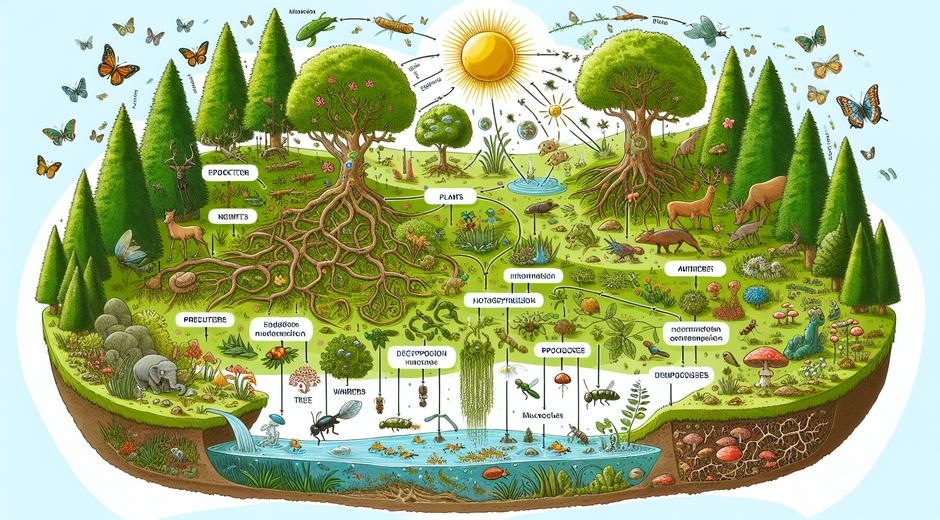
Ecosystem functions refer to the array of biological physical and chemical processes that occur within an ecosystem. These include nutrient cycling energy flow primary production decomposition and habitat provision. Functions describe how elements of an ecosystem interact to maintain system stability and to support living organisms. While the phrase ecosystem services often focuses on the benefits that people receive from nature ecosystem functions emphasize the underlying processes that produce those benefits.
Key Types of Ecosystem Functions
Ecosystem functions can be grouped into several broad categories that together sustain natural systems.
Primary production is the process by which green plants algae and some bacteria convert sunlight into chemical energy. This energy fuels food webs and sets the pace for ecosystem productivity.
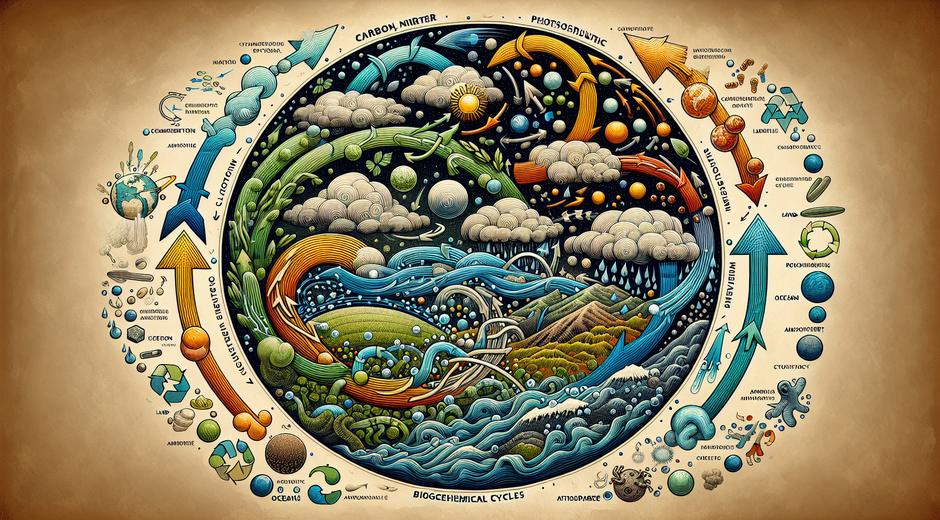
Nutrient cycling describes how elements such as carbon nitrogen and phosphorus move through living organisms soil water and the atmosphere. Efficient nutrient cycling supports plant growth and maintains soil fertility.
Decomposition breaks down dead organic matter and returns nutrients to the soil and water. Decomposer communities of fungi bacteria and invertebrates keep ecosystems clean and productive.
Regulation of water flows covers water infiltration storage and purification. Vegetation soils and wetlands moderate floods maintain stream flows and filter pollutants.
Pollination and seed dispersal are biological functions that enable plant reproduction and drive ecosystem regeneration. Animals including insects birds and mammals perform essential roles in these processes.
How Biodiversity Influences Ecosystem Functions
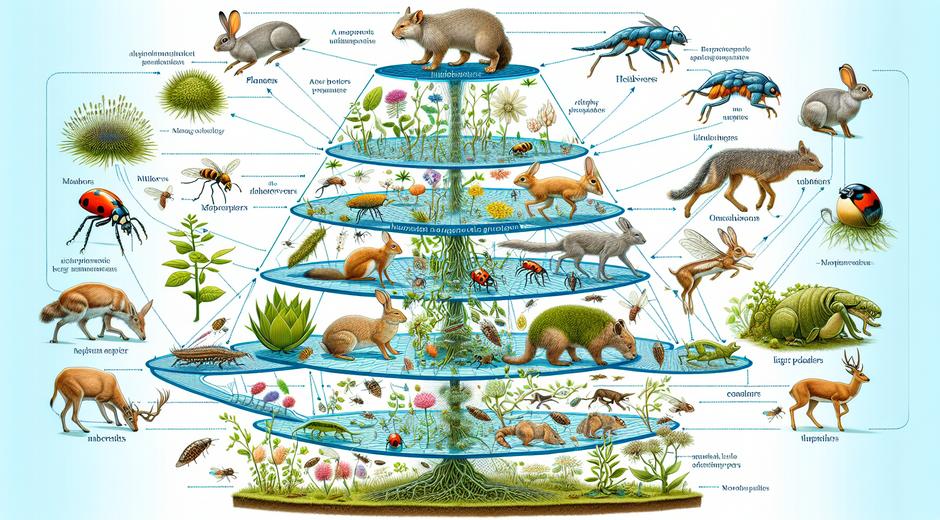
Biodiversity enhances resilience and productivity by providing a diversity of traits and interactions that support multiple functions. Diverse plant communities often use resources more efficiently leading to higher overall productivity and more stable nutrient cycling. Functional diversity within food webs also helps systems recover from disturbances such as drought fire or disease outbreaks. When species are lost functions can erode and systems may become less reliable at delivering services that humans depend upon.
Protecting biodiversity is therefore an investment in maintaining robust ecosystem functions. Practical conservation that targets species protection habitat connectivity and restoration of degraded areas supports multiple functions at once. Readers interested in practical nature news and insights can find more material at bionaturevista.com which publishes resources on habitat care and restoration techniques.
Human Impacts on Ecosystem Functions
Human activities alter ecosystem functions at local regional and global scales. Land conversion for agriculture removes native vegetation and changes soil structure which can disrupt nutrient cycles and water regulation. Pollution from industry and agriculture adds excess nutrients and toxins that harm decomposer communities and reduce water quality. Overexploitation of marine and terrestrial species alters food web dynamics and can collapse key functions such as fish population regeneration and seed dispersal.
Climate change adds another layer of pressure by shifting temperature and precipitation patterns that underpin many functions. For example warmer conditions can speed up decomposition and release stored carbon while altering water availability for plants. Policies that reduce emissions conserve natural carbon sinks and limit habitat loss help protect multiple ecosystem functions simultaneously. For discussions that connect environmental science with public policy a policy oriented perspective can be found at Politicxy.com where timely analysis often links nature stewardship to governance choices.
Measuring and Monitoring Ecosystem Functions
Accurate measurement is necessary to track changes in functions and to evaluate the success of conservation actions. Common indicators include primary production estimates from satellite imagery rates of nutrient turnover soil respiration measurements and water quality parameters such as turbidity nutrient concentrations and macroinvertebrate community composition.
Advances in remote sensing and data analytics allow monitoring at larger scales and higher frequency than was possible in the past. Citizen science can expand data collection while local knowledge helps interpret trends. Combining multiple lines of evidence produces a clearer picture of functional health and can guide adaptive management decisions.
Protecting and Restoring Ecosystem Functions
Effective strategies to protect and restore ecosystem functions address both landscape scale issues and local practical steps. Key elements include conserving intact habitats restoring degraded lands implementing sustainable land management practices and reducing pollution outputs. Buffer zones along waterways reforestation of riparian areas and wetlands restoration enhance water regulation and filtration functions while providing habitat for pollinators and other species.
Restoration that prioritizes native species and diverse plantings tends to rebuild multiple functions faster than approaches that focus on a single species or short term gains. In agricultural settings practices such as cover crops agroforestry and reduced chemical use improve soil health and nutrient cycling while maintaining yields. Urban planning that integrates green spaces and permeable surfaces supports water infiltration reduces surface runoff and enhances local biodiversity.
Why Ecosystem Functions Matter to People and Policy
When ecosystem functions are healthy communities gain clean water climate stability fertile soils and abundant natural resources. These benefits underpin economies public health and cultural identity. Recognizing the link between functions and human wellbeing helps policymakers design interventions that are more effective and longer lasting.
Incorporating ecosystem function metrics into land use planning environmental impact assessments and development projects can reduce risks and generate co benefits. Investments in nature based solutions often yield returns that exceed initial costs by reducing disaster risks improving water quality and enhancing carbon storage. Cross sector collaboration among conservationists scientists planners and local communities ensures actions reflect ecological realities and social needs.
Next Steps for Citizens and Practitioners
Everyone can play a role in protecting ecosystem functions. Simple actions include planting native species supporting local conservation groups reducing chemical use in gardens and advocating for policies that protect natural areas. Practitioners can prioritize monitoring programs that track multiple functions engage stakeholders in adaptive management and apply restoration methods that build long term resilience.
By recognizing ecosystem functions as the engines that power natural systems we can shift from short term thinking to strategies that sustain nature and human prosperity together. For regular insights research summaries and guidance on nature care readers can visit our site where practical resources and science based articles are available to inform action.
Understanding ecosystem functions is not an abstract academic exercise. It is a practical framework for shaping policy restoring degraded lands and ensuring that nature continues to provide the services we all rely upon. The more we learn the better we can design solutions that maintain healthy functioning ecosystems now and for future generations.