

Ecological Niches
Ecological Niches are central to understanding how life is organized across the planet. This concept explains why species live where they do how they use resources and how they interact with other species and the environment. For a nature site that explores these ideas in depth visit bionaturevista.com where we unpack patterns in nature and the processes that shape life on Earth.
What Is an Ecological Niche
An Ecological Niche describes the full set of environmental conditions biological roles and resources that allow a species to survive grow and reproduce. A niche is not just a habitat. Habitat refers to the physical place where a species lives. The niche includes that place plus the species interactions the timing of activity the food it uses and the physical and chemical limits it can tolerate. In short a niche is the role a species plays in an ecosystem combined with the space it occupies.
Fundamental Niche and Realized Niche
Two complementary ideas help explain niche use. The fundamental niche is the potential range of conditions and resources that a species can use in the absence of competitors predators or disease. The realized niche is the portion of that potential space the species actually occupies given biotic interactions and environmental constraints. Many species have broad fundamental niches yet occupy much narrower realized niches in nature because of competition predation or other limiting factors.
How Niches Promote Biodiversity
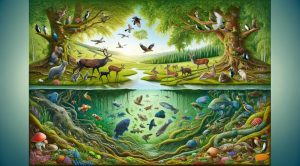
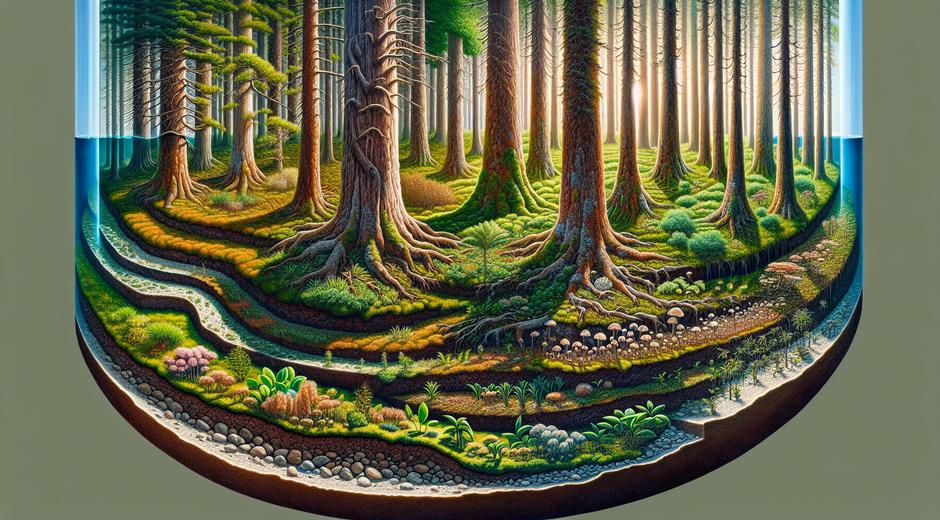
Niche differentiation allows multiple species to coexist in the same place by reducing direct competition for the same limited resources. Species may partition resources by using different food types foraging at different times or living at different heights in a forest. This partitioning creates complementary roles that enable diverse communities to persist. Niche dynamics also drive adaptive change. Over generations species may evolve traits that exploit available niche space more efficiently leading to a mosaic of specialized life forms across environments.
Axes of a Niche
Niches can be viewed along multiple axes. Examples include the range of temperatures a species tolerates the types of food it consumes the microhabitats it uses the timing of reproduction and the ways it interacts with other species. Viewing niches as multidimensional spaces helps ecologists map where species may exist now and where they could thrive under new conditions. This multidimensional view is the basis for modern niche modeling tools used in conservation planning and in predicting shifts due to climate change.
Examples from Nature
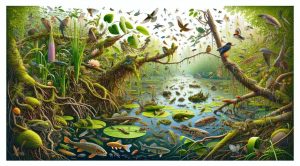
Consider two bird species in a tropical forest. One feeds on insects on leaves near the canopy top while another gleans insects from branches closer to the understory. Both use the same forest yet their niche differences in foraging height and technique reduce competition and allow coexistence. In aquatic systems small fish species may occupy different depth zones or feed on different plankton sizes creating niche separation. Even within a single species individuals can use different micro niches at different life stages creating temporal partitioning that stabilizes populations.
Niche Construction and Species Feedback
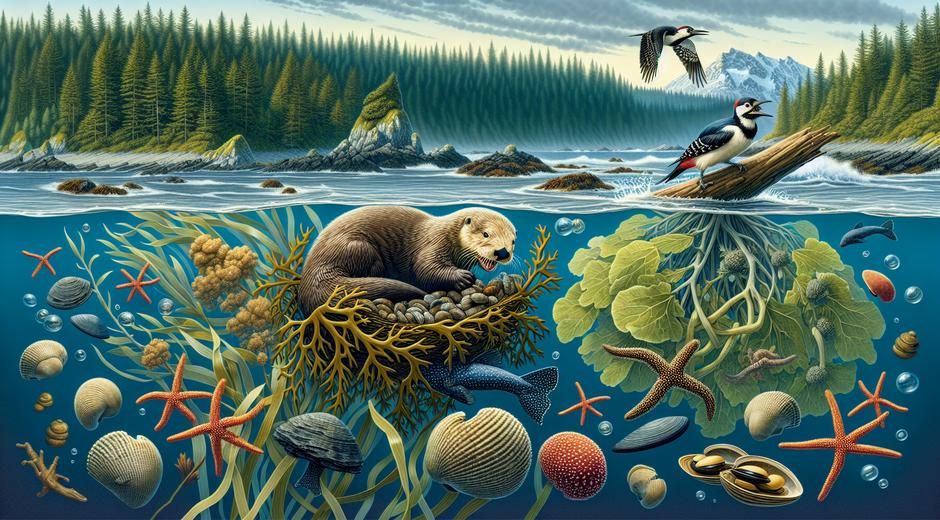
Some species actively modify their environment in ways that change niche availability for themselves or other species. Beavers are a classic example. Their dam building transforms flowing streams into ponds altering water chemistry flow patterns and habitat structure. These modifications create new niches for amphibians plants and invertebrates. This process called niche construction illustrates how organisms can shape the selective environment and thus influence ecological and evolutionary trajectories over time.
Human Impacts on Niches
Human activity alters niches at many scales. Land conversion pollution and climate change change physical conditions and resource availability. Introduced species can outcompete native species for niche space or alter food webs. Urban areas create novel niches that favor generalist species that tolerate disturbance. Understanding how human driven change reshapes niche structure is essential for predicting biodiversity loss and for designing restoration actions that restore or recreate suitable niche conditions for target species.
Niche Modeling and Conservation
Ecological niche modeling uses species occurrence data and environmental variables to predict suitable habitat across landscapes. These models help identify potential refuge areas corridors for migration and priority zones for protection. In restoration projects managers use niche information to choose planting sites or to design habitat features that support target species life history needs. By combining niche theory with field data conservation practitioners can make more effective decisions under uncertainty.
Coexistence Mechanisms
Coexistence arises when species differences reduce competitive overlap. Mechanisms include resource partitioning temporal separation trade offs in life history traits and predator mediated interactions that prevent single species dominance. These processes maintain diversity and ecosystem resilience. In many systems disturbances such as fire floods or storms create a shifting matrix of available niches that favors different species at different times thus contributing to dynamic equilibria in community composition.
Measuring Niche Breadth and Overlap
Researchers quantify niche breadth to describe how specialized or generalized a species is across resource axes. Niche overlap metrics estimate how much two species use the same resources or conditions. Low overlap suggests niche differentiation and higher potential for coexistence. High overlap with limited resources often predicts competitive exclusion unless other mechanisms reduce the impact of competition. These measurements are important for managing fisheries wildlife populations and for designing protected area networks.
Applications Beyond Wild Systems
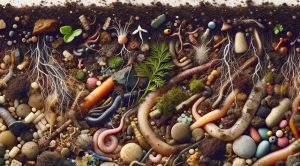
Niche concepts extend into managed landscapes agriculture and even to virtual worlds. Designers of agricultural systems use niche thinking to build polycultures where crop species complement each other by using distinct soil layers light regimes or nutrient pools. In virtual environments game creators sometimes mimic ecological rules to produce believable ecosystems and dynamic interactions that respond to player actions. For an unexpected perspective that links ecological concepts with design elements in simulation spaces visit GamingNewsHead.com which explores how narrative and system design intersect with modeled environments.
Future Directions in Niche Research
Advances in remote sensing sensor networks and genetic tools are opening new pathways to map fine scale niche variation across landscapes. Integrating physiological data with species occurrence records will refine predictions of where species can persist as the climate changes. Studying how communities respond to novel conditions will help identify species at high risk and those capable of rapid adjustment. Linking niche research with policy and land planning offers a route to safeguard biodiversity while balancing human needs.
Practical Steps for Conservationists and Educators
Applying niche knowledge means first documenting the key resources and conditions a species needs during all life stages. Protecting or restoring those features should be the focus of management. Creating habitat heterogeneity maintaining connectivity between suitable areas and reducing invasive species pressure are practical ways to preserve niche availability. For educators conveying the concept through hands on observation activities where students record where species occur and what resources they use builds intuitive understanding of niche concepts at multiple scales.
Conclusion
Ecological Niches provide a powerful lens to understand biodiversity species interactions and the effects of environmental change. By framing conservation and management around niche needs and constraints practitioners can design actions that sustain both species and the ecosystem functions they support. To explore more articles that dive into nature science and applied ecology visit our main site and follow ongoing coverage of topics that connect life on Earth with research policy and practice at bionaturevista.com.