

Earth Minerals: Nature’s Foundation for Life and Landscape
Earth Minerals form the hidden backbone of our planet. From the glittering crystals that catch the sun to the fine grains under our feet Earth Minerals influence soil health plant growth water quality and even the climate over long spans of time. For readers of bionaturevista.com who care about nature and the science that supports vibrant ecosystems this guide explains what Earth Minerals are why they matter and how people can interact with them in ways that protect both nature and community.
What Are Earth Minerals and Why Do They Matter
Earth Minerals are naturally occurring compounds and elements that form the solid parts of the planet. They include common materials like quartz feldspar and mica as well as metallic ores that store iron copper and other elements. Minerals also include microscopic clay particles and essential trace elements such as zinc and manganese that plants need in tiny amounts to thrive. The mineral content of soil shapes its texture drainage capacity and nutrient supply. That makes minerals a direct driver of vegetation patterns food production and habitat quality across landscapes.
In geological terms Earth Minerals are the building blocks of rocks which in turn build mountains plains and riverbeds. As rocks weather the released minerals feed soils and aquatic systems. In biological terms those minerals supply the chemical elements that living organisms need to build tissues carry out metabolism and maintain health. A healthy web of life depends on balanced mineral cycles that move elements through rocks soil water plants animals and microbes.
Types of Earth Minerals You Will Encounter
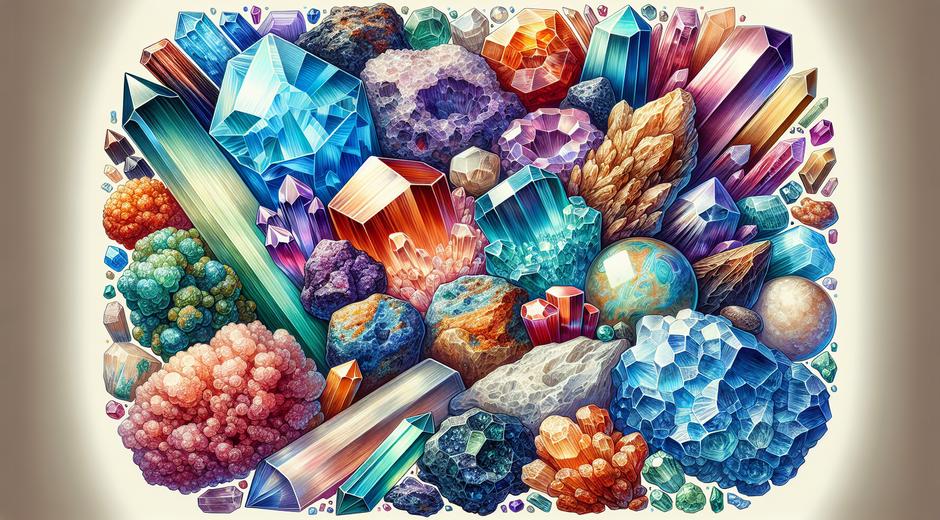
There are thousands of named minerals but a few categories matter most for nature and everyday life. Silicate minerals such as quartz and feldspar dominate the crust and form the bulk of many soils. Carbonate minerals such as calcite influence water chemistry and can build magnificent cave structures. Oxides and sulfides often store metals that humans mine for use in construction energy and technology. Clay minerals control soil water retention and nutrient holding capacity while trace mineral particles supply essential micronutrients to plants and animals.
Understanding local mineralogy is useful for gardeners conservationists and outdoor educators. A soil with abundant clay will hold water longer than sandy soil which drains quickly. Soils derived from limestone will be rich in calcium and tend to have higher pH values while soils formed from granite will be more acidic and drain faster. Simple field observation combined with a basic mineral guide can help anyone learn how Earth Minerals shape a local landscape.
How Earth Minerals Support Ecosystems
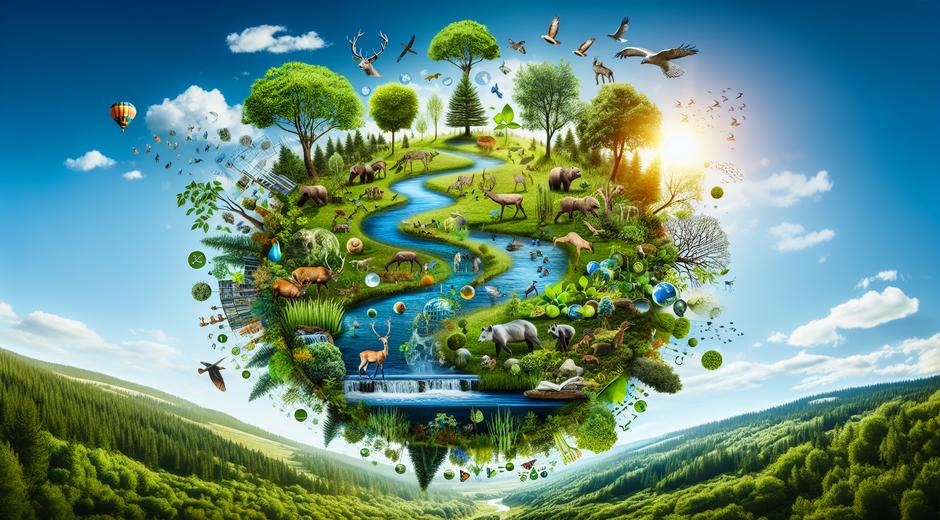
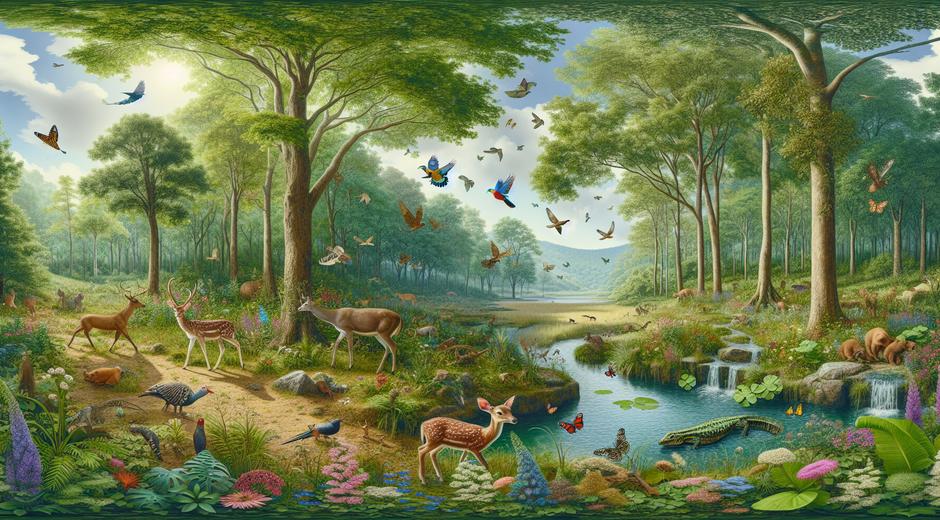
Minerals regulate the physical and chemical environment of ecosystems. They influence where certain plants can grow how wetlands filter water and where rivers create fertile floodplains. Mineral particles provide surfaces for microbial life which in turn transforms nutrients into forms plants can use. Many aquatic systems rely on mineral sediments to create spawning grounds for fish and to capture pollutants through natural filtration processes.
At a broader scale mineral weathering draws carbon dioxide from the atmosphere over geological time spans which affects long term climate. Certain mineral reactions remove CO2 from the air and lock it into solid carbonate materials. While this is a slow process it illustrates the deep coupling between Earth Minerals and global systems.
Human Uses of Earth Minerals and Environmental Considerations
Humans rely on Earth Minerals for building materials fertilizers electronics and more. Mining and extraction provide valuable resources but can also create significant ecological impacts if not managed responsibly. Habitat loss water quality degradation and soil erosion are common risks. Sustainable approaches to mineral resource use emphasize waste reduction rehabilitation of sites and careful planning to avoid sensitive habitats.
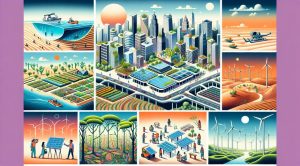
Urban planners farmers and conservationists can work together to balance the needs of people and nature. For example reclaimed mine lands can become wildlife reserves community parks or renewable energy sites after suitable restoration. In agriculture understanding the mineral profile of soil can reduce overuse of fertilizers by allowing targeted amendments that restore nutrient balance without excess runoff.
Practical Ways to Explore Earth Minerals Safely
Exploring minerals can be a rewarding outdoor activity for families students and nature lovers. Start by learning local geology through community museums or field guides. Simple tools like a hand lens a small trowel and a field notebook help you document findings without causing harm. Always follow local rules regarding collecting and avoid sensitive areas such as wildlife nesting sites or protected geological features.
For families with children looking to spark curiosity about the natural world consider small scale projects like testing soil texture comparing soils from different locations or building a simple rock and mineral display. These activities make the science of Earth Minerals tangible and build lasting respect for natural systems. For additional family friendly activity ideas and learning resources visit CoolParentingTips.com which offers approachable project ideas that connect kids with nature.
Caring for Mineral Rich Places
Conservation of areas with unique mineralogy protects both scenic geological features and the biological communities that depend on them. Limestone cliffs karst formations and mineral hot springs often support rare species and complex water systems. Protecting these places requires good science community involvement and policies that recognize the value of both visible geology and the less obvious mineral processes that sustain life.
Simple actions by individuals and communities add up. Reducing erosion by keeping vegetation on slopes protecting stream banks with native plants and avoiding toxic runoff into waterways all help preserve mineral cycles. Supporting local conservation groups and learning how mineral use affects local water and soil fosters informed choices that benefit people and nature alike.
Future Directions: Research and Responsible Use
New research in soil science mineralogy and ecology continues to reveal how complex and vital mineral driven processes are. Advances in remote sensing and laboratory analysis allow scientists to map mineral distributions and track how land use changes affect mineral cycles. At the same time innovations in recycling material recovery and low impact mining can reduce pressure on natural mineral reserves.
Educated consumers and engaged communities play a key role. Choosing materials that last repairing rather than replacing products and supporting policies that require responsible extraction all contribute to a future where Earth Minerals are used wisely and conserved for future generations.
Conclusion
Earth Minerals are much more than pretty stones. They are the foundation of soils the engines of ecosystems and essential suppliers of the chemical elements life needs. By learning about local mineralogy practicing careful stewardship and supporting sustainable practices we can enjoy the benefits of minerals while protecting the landscapes and species that depend on them. Visit bionaturevista.com often for more articles on nature science and practical ways to live in harmony with the Earth Minerals beneath our feet.