

Circular Economy: A Practical Guide for Nature Positive Living
The circular economy is a transformative approach that rethinks how we use resources so that nature benefits and waste is no longer the expected outcome. In contrast to the linear take make discard model the circular economy focuses on designing products and systems that keep materials in use for longer and restore natural systems. For readers of bionaturevista this idea links directly to biodiversity protection soil health and reduced pressure on forests and oceans.
What the circular economy means
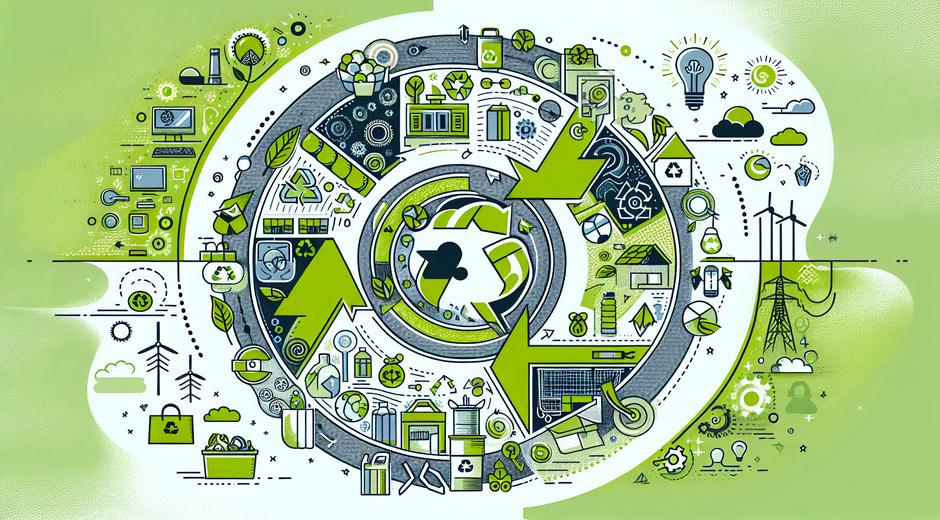
At its core the circular economy is about building systems that use resources in cycles rather than letting them flow to waste. This involves designing for reuse repair and regeneration so that products and materials retain value. Key concepts include reuse remanufacture refurbish and recycling but the true goal is to prevent the loss of material quality and to reduce the need for new resource extraction. The circular economy asks not only how we can avoid waste but also how we can create positive outcomes for ecosystems and communities.
Why the circular economy matters for nature
Nature provides the raw materials we depend on clean air and fresh water yet current consumption patterns strain these systems. When products are designed for single use or short life this leads to more extraction more pollution and more habitat loss. By adopting circular practices we can reduce the demand for virgin materials cut greenhouse gas emissions and lower pollution entering rivers and seas. This makes the circular economy a powerful tool for nature positive outcomes and for long term resilience of communities that rely on natural systems.
Principles that guide circular economy design
There are a few simple principles that guide circular economy action. First design out waste by creating products that are durable modular and easy to repair. Second keep products and materials in use through reuse sharing and refurbishment. Third regenerate natural systems by returning nutrients to soils and restoring habitats where possible. Finally rethink business models so that value is created through services and access rather than just product sales. These principles are practical and can be applied by designers producers consumers and policy makers alike.
How businesses can adopt circular economy practices
Businesses play a crucial role in scaling circular systems. Companies can start by mapping material flows and identifying where value is lost. Then they can redesign products for durability and easy disassembly enabling parts to be repaired or replaced. Shifting toward service based models like leasing or product as a service can keep ownership with the producer which makes it easier to recover and remanufacture items at end of first use. Collaboration with suppliers and with local recycling networks helps create closed loop supply chains that reduce the need for new extraction.
For nature based sectors such as forestry agriculture and textiles companies can prioritize regenerative sourcing and materials that are biodegradable or that feed back into soil improvement. These approaches reduce pollution and support biodiversity while often delivering cost savings over time.
Practical actions for households and communities
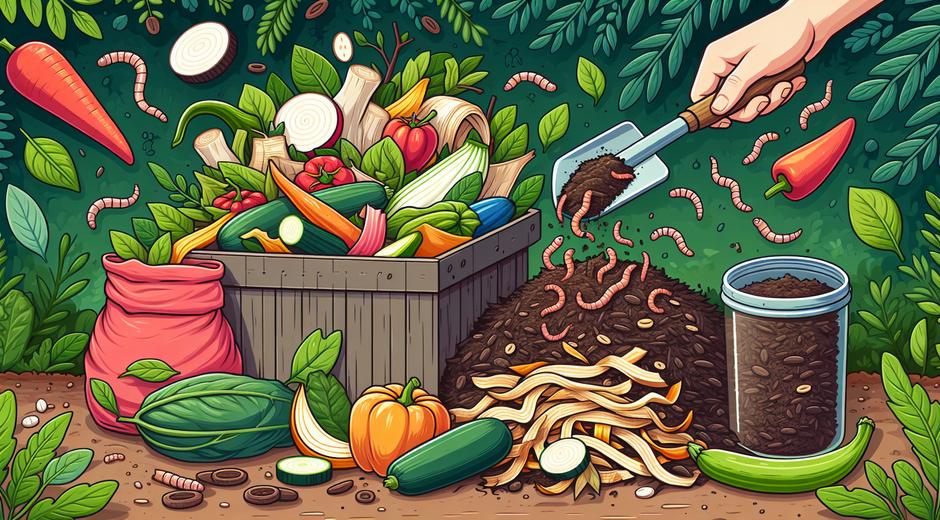
Households are an essential part of circular transition. Simple actions include choosing products that are designed to last buying second hand when possible and opting for items that can be repaired. Community repair workshops and swap events extend the life of goods and build social capital. Food systems also offer big wins: planning meals to reduce food waste composting organics to return nutrients to soils and supporting local producers reduce transport energy and create more resilient local food networks.
At a local level communities can support policies that create easy access to recycling and composting services and that incentivize businesses to take back products at end of use. Community led monitoring of waste streams can highlight opportunities to reduce consumption and to create local circular enterprises.
Measuring impact and tracking progress
Measuring circularity helps to focus effort and to show benefits for nature and for the economy. Indicators can include material reuse rates the share of products repaired or remanufactured greenhouse gas reductions and reductions in resource extraction. At a community level tracking household waste volumes and rates of composting offers a direct measure of progress. Transparent reporting by businesses can also build trust and drive further adoption of circular practices.
Policy and public sector actions
Governments can accelerate circular transition through a mix of regulation incentives and public investment. Policies that set reuse targets require product repairability and support the development of collection systems create the conditions for circular markets to grow. Public procurement is a powerful lever when governments choose circular products and services which in turn creates demand for circular supply chains. Investments in infrastructure such as material recovery facilities and composting sites unlock local capacity to keep materials in use.
Policy that supports small scale circular businesses and that funds research into material innovation strengthens local economies and creates jobs while protecting nature. Zoning and land use rules that favor mixed use neighborhoods reduce transport needs and help build more sustainable communities.
Technology and innovation that enable circular systems
Digital tools play an important role in enabling circular solutions. Platforms that track products through their life allow better recovery and refurbishment. Material passports that record the composition of products make disassembly and recycling easier. Advances in material science create new options such as high quality recycled materials and compostable alternatives for specific applications. Importantly technology is an enabler not a replacement for good design and community led solutions.
Examples of circular economy in practice
Successful circular initiatives range from clothing companies that offer repair and take back services to urban farms that convert organic waste to compost which enriches soil and reduces the need for chemical inputs. Electronics remanufacturing extends life of devices and reduces harmful e waste. In each case the common thread is designing systems that preserve value avoid pollution and support local natural systems.
How to get started as an individual or organization
Start with a small assessment. Identify high impact areas where change will reduce waste or avoid extraction. For individuals this might be reducing single use items improving recycling and starting a compost heap. For organizations this might be redesigning packaging choosing durable materials and setting targets for product take back. Partnering with local groups and sharing success builds momentum and spreads knowledge across sectors.
For readers who want to explore further the web offers a wealth of case studies and toolkits that can help plan a transition. You can find general information on circular economy themes and connections to nature on resources such as bionaturevista.com which highlights nature centered approaches and practical steps for communities.
Closing thoughts
The circular economy is not a single technology or policy it is a way of thinking about our relationship with materials and with the living systems that sustain us. By embracing design for reuse regeneration and shared value we can reduce pressure on nature create more resilient communities and unlock economic opportunities. The shift takes action at every level from individual habits to corporate strategy and public policy. As we move forward the guiding aim should be to enable systems where nature benefits and where resources are used in cycles that reflect the balance found in healthy ecosystems.
For readers interested in broader perspectives including innovation news and stories about how ideas travel across sectors you may also find value in diverse platforms that share case studies and lessons learned such as GamingNewsHead.com which features regular coverage of creative approaches and new models that can inspire circular solutions across many fields.