

Carbon Sinks: Nature’s Powerful Tool for a Stable Climate
Carbon sinks are natural systems that absorb more carbon from the atmosphere than they release. Understanding how carbon sinks function and why they matter is essential for any nature focused strategy to address climate change. This article explains the science behind carbon sinks explores the main types highlights threats and offers practical steps to protect and expand these vital systems.
What Are Carbon Sinks and How Do They Work
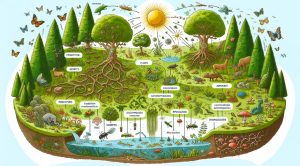
At its core a carbon sink is any reservoir that stores carbon for a period of time. The atmosphere land soils freshwater systems and the ocean all interact in a dynamic carbon cycle. Plants take up carbon dioxide from the air through photosynthesis and store carbon in trunks branches leaves and roots. Soils store carbon from decaying plant matter and from microbial processes. The ocean absorbs carbon dioxide directly at the surface and stores it in dissolved form and in marine biomass.
Carbon sinks operate on different time scales. Some store carbon for a few years others for decades centuries or even millennia. For example forests and wetlands can store carbon long term in wood peat and soil while the ocean can store carbon for many centuries depending on circulation patterns. The capacity of a sink depends on factors such as temperature moisture nutrient availability and land use.
Key Types of Carbon Sinks
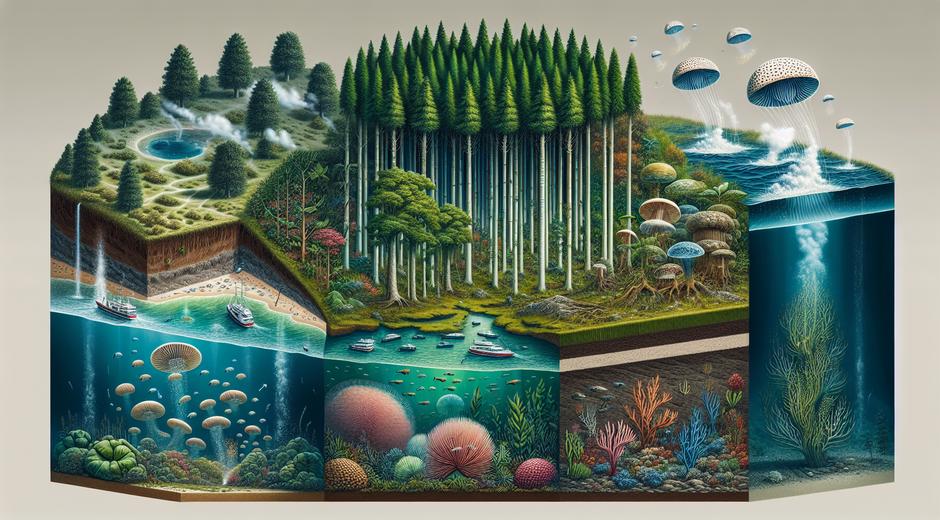
Understanding the main types of carbon sinks helps prioritize conservation and restoration. The major categories include forests grasslands wetlands soils and oceans. Each type plays a unique role and faces unique threats.
- Forests are among the most visible carbon sinks. Mature trees store large amounts of carbon above ground and roots contribute to below ground storage. Forests also support biodiversity which in turn helps ecosystem resilience.
- Soils contain large stocks of carbon derived from plant material and microbial activity. Healthy soils with high organic content can store carbon for long term periods while also supporting plant growth.
- Wetlands including marshes swamps and peatlands are extremely efficient at storing carbon. Peat soils accumulate carbon year after year and can become massive long term reservoirs.
- Grasslands may not store as much above ground as forests but they can sequester significant carbon below ground in root systems and soil organic matter.
- Oceans act as a global sink absorbing a large portion of human emitted carbon dioxide. Phytoplankton and marine plants draw carbon into marine food webs and sediments.
Why Carbon Sinks Matter for Climate and Biodiversity
Carbon sinks help lower atmospheric carbon dioxide concentrations which reduces the greenhouse effect and slows warming. Protecting and expanding sinks buys time for societies to reduce emissions and adapt to changes. Sinks also provide co benefits for biodiversity water regulation soil health and local livelihoods. For communities that depend on forests fisheries and healthy soils strong carbon sinks mean more stable food sources cleaner water and greater resilience to extreme weather events.
Threats to Carbon Sinks
Human activity puts pressure on natural sinks. Deforestation conversion of land for agriculture unsustainable soil management and drainage of wetlands release stored carbon back into the atmosphere. Rising temperatures and changing rainfall patterns can reduce the capacity of sinks for example by increasing decomposition rates in soils or causing peatlands to dry and burn. Ocean warming and acidification affect marine ecosystems that play a role in carbon uptake.
Addressing these threats requires integrated approaches that combine science policy and on the ground action. Conservation of intact ecosystems restoration of degraded landscapes and sustainable land management are all key strategies.
Protecting and Enhancing Carbon Sinks
Policy makers conservation groups and local communities can take multiple steps to protect existing sinks and enhance carbon storage. Protecting natural habitats is the most direct approach. Restoration of forests and wetlands helps recover lost capacity. Changing agricultural practices to increase soil organic matter and reduce erosion boosts soil carbon. Urban planning that preserves green space and increases tree cover can also contribute.
Public education and community engagement are crucial. For more resources on practical nature based actions and community led conservation visit bionaturevista.com which brings together ideas and projects that support healthy ecosystems and resilient communities.
Nature Based Solutions and the Role of Science
Nature based solutions that harness ecosystem processes to address climate and social goals have gained attention in recent years. These approaches rely on science to quantify how much carbon can be stored where and for how long. Monitoring using remote sensing field surveys and soil sampling helps track outcomes. Scientific research also informs best practices such as which species to plant how to manage water and how to balance carbon goals with biodiversity and local needs.
Quantifying carbon storage accurately is important for policy and for carbon finance mechanisms. Transparent measurement reporting and verification builds trust and ensures that projects deliver real benefits for climate and people.
How Individuals Can Support Carbon Sink Health
Individual actions can add up. Planting native trees supporting local restoration projects reducing waste and choosing sustainable food options all help. Reducing consumption of products linked to deforestation such as certain agricultural commodities supports market shifts. Supporting organizations that protect ecosystems or that promote sustainable land use is another effective route.
For ideas on lifestyle choices that complement nature based climate actions consider visiting Romantichs.com which includes sections on mindful living and sustainable habits that align with conservation goals.
Measuring Success and Avoiding Unintended Consequences
Scaling up carbon sink protection needs careful design. Large planting campaigns for example must use appropriate species avoid invasive plants and consider water and land rights. Efforts that focus solely on carbon without attention to biodiversity and social equity can produce negative outcomes. Successful projects integrate multiple objectives and monitor ecological social and economic indicators.
Payment for ecosystem service schemes and carbon markets can provide funding but they require robust safeguards to ensure permanence and benefit sharing. Long term success depends on local stewardship strong governance and adaptive management informed by monitoring.
The Future of Carbon Sinks
Maintaining and enhancing carbon sinks is a vital part of a broader climate strategy that includes cutting emissions and improving resilience. Advances in restoration science improved land management and better policy frameworks offer hope. Restored and protected natural systems can deliver climate mitigation adaptation and biodiversity benefits simultaneously.
As society plans for a changing climate the value of healthy soils forests wetlands grasslands and oceans will become ever more apparent. Investing in these systems is an investment in a stable climate and in the natural capital that supports human well being.
Conclusion
Carbon sinks are central to the global response to climate change. By absorbing and storing carbon these systems reduce atmospheric concentrations of greenhouse gases while supporting biodiversity and human livelihoods. Protecting existing sinks restoring degraded lands and adopting sustainable practices are practical steps that yield multiple benefits. Whether you are a policy maker researcher land owner or citizen each action that helps maintain or expand carbon sinks contributes to a safer more resilient future.
Learn more about nature based approaches local projects and how you can get involved by exploring the resources and guides provided on the site referenced above and by supporting initiatives that place ecosystems and communities at the center of climate solutions.