

Canopy Stratification: Understanding Vertical Layers of Forest Life
Canopy Stratification is a core concept for anyone who studies forests and natural landscapes. It describes the way plant and animal communities arrange themselves in vertical layers from the forest floor to the highest crowns. Understanding this pattern reveals how resources such as light water and nutrients are distributed and how biodiversity is organized in complex ecosystems. This article explores the theory and practice of Canopy Stratification and explains why it matters for conservation research restoration and citizen science.
What Is Canopy Stratification
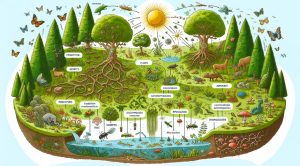
Canopy Stratification refers to the vertical arrangement of vegetation layers in a forest habitat. These layers typically include the forest floor the herb layer the shrub layer the understory the main canopy and in some forests an emergent layer above the canopy. Each layer supports distinct communities of plants animals fungi and microbes that have adapted to the specific light humidity and structural conditions present at that height. Canopy Stratification is most obvious in mature forests where multiple layers create a three dimensional mosaic of niches.
Why Vertical Structure Matters for Biodiversity
Vertical structure creates unique habitats that increase overall biodiversity by providing more ecological niches within the same horizontal area. Birds use different layers for feeding and nesting mammals move along canopy bridges insects specialize on certain leaves and fungi decompose litter at the forest floor. Canopy Stratification also influences ecological processes such as pollination seed dispersal and predator prey interactions. In tropical rainforests where stratification is highly pronounced species richness reaches extraordinary levels because many organisms have evolved to occupy specific vertical strata.
Typical Layers in Canopy Stratification
Although layer names and boundaries can vary by forest type the following categories are common:
- Forest floor The lowest layer composed of soil leaf litter decomposing organic matter and ground dwelling organisms such as earthworms fungi and detritivores.
- Herb layer Small non woody plants grasses ferns and seedlings that receive limited light filtered through the upper layers.
- Shrub layer Short woody plants and young trees that form a dense lower canopy often used by small birds and mammals for shelter and foraging.
- Understory Small trees and saplings adapted to lower light levels that may eventually reach the main canopy or remain suppressed.
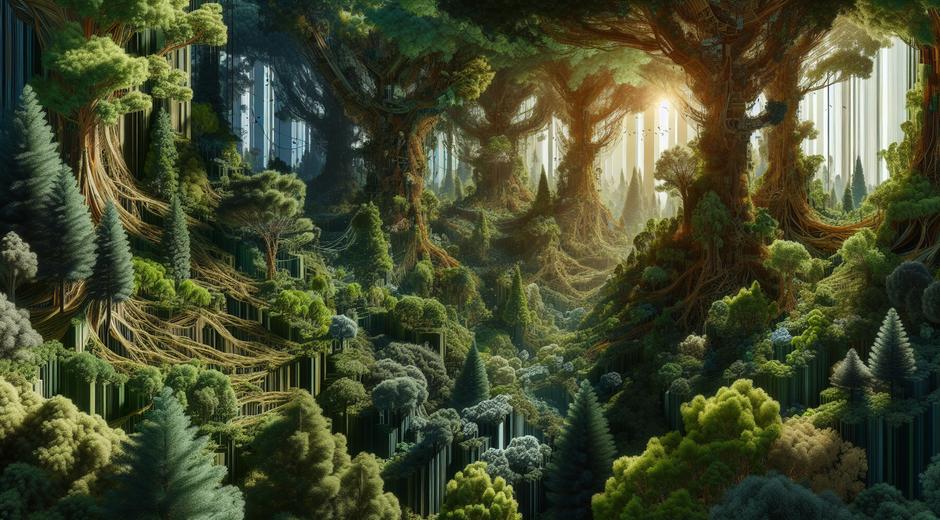
- Main canopy The continuous layer of tree crowns that intercepts most sunlight and shapes microclimate below it. This layer hosts many epiphytes lianas birds and arboreal mammals.
- Emergent layer Trees that rise above the main canopy and are exposed to full sunlight and wind. This layer is more common in tall tropical systems and is inhabited by specialized fauna.
How Canopy Stratification Is Studied
Researchers use a mix of ground based and remote methods to measure and map vertical structure. Field surveys record species presence and traits at different heights using climbing towers mist nets for birds canopy cranes and rope access. Remote sensing technologies include airborne lidar photogrammetry and drone imaging which can deliver precise three dimensional models of forest structure across large areas. Combining field observations with remote data allows scientists to quantify canopy complexity and link it to biodiversity metrics and ecosystem function.
Impacts of Disturbance on Vertical Structure
Human activities such as selective logging clear cutting and fragmentation tend to simplify canopy architecture. When tall trees are removed the main canopy can collapse the understory may become more exposed and many species that depend on higher strata lose habitat. Even moderate disturbances can alter microclimate humidity and nutrient cycling with cascading effects on plant regeneration and wildlife. Understanding Canopy Stratification helps managers predict which species are most vulnerable and design interventions that restore structural diversity.
Canopy Stratification and Climate Resilience
A stratified canopy contributes to climate resilience by regulating temperature and retaining moisture. The main canopy reduces the amount of direct sunlight that reaches the forest floor which stabilizes soil temperatures and supports a humid understory. Multi layered forests are better at buffering extreme weather events and can maintain ecosystem services such as carbon storage water filtration and habitat connectivity. Protecting and restoring vertical complexity is therefore a practical strategy for climate adaptation in forested landscapes.
Practical Applications in Restoration and Management
Restoration projects that aim to recreate natural forest structure should include actions that promote Canopy Stratification. This may involve planting a mix of fast growing pioneer species and slower growing canopy forming trees along with shrubs and ground cover to reestablish multiple layers. Managing for vertical diversity also helps control invasive species by restoring native shade patterns and competitive relationships. For practical field equipment and survey gear consult trusted suppliers such as Fixolix.com which offers tools useful for canopy research and habitat mapping.
Citizen Science and Community Monitoring
Citizen scientists can contribute valuable data on vertical structure by documenting species presence and behavior at different heights using simple protocols. Observations of bird foraging strata tree species composition and epiphyte distribution add to long term monitoring efforts. Community led projects can also map canopy gaps and regeneration patches to inform local restoration planning. For additional nature based resources and articles visit bionaturevista.com which shares insights on forest ecology and practical conservation tips.
Case Studies That Illustrate Canopy Stratification
Studies from tropical rainforests often highlight the extreme degree of stratification where distinct insect bird and plant assemblages occupy fine scale height bands. Temperate forests show marked seasonal changes with leaf out and leaf fall altering light regimes in the understory. Urban woodlands may exhibit truncated stratification due to management practices but still support surprising levels of diversity when allowed to develop. Comparative work across regions reveals how climate soil and disturbance history shape the vertical template of each forest.
Future Directions in Research
Emerging research focuses on linking structural complexity to ecosystem services and predicting responses to global change. Advances in remote sensing enable repeated high resolution monitoring to detect early signs of canopy thinning or recovery. Integrating genetic methods with vertical sampling can uncover how populations are structured across height gradients and inform targeted conservation. As tools improve the ability to map Canopy Stratification at broad scales will help prioritize areas for protection and restoration that maximize biodiversity and resilience.
Conclusion
Canopy Stratification is a powerful lens for understanding how life organizes itself in forests. By recognizing the unique roles of each vertical layer researchers managers and citizens can better protect and restore the living architecture that supports diverse forms of life. Whether you study a tropical rainforest a temperate wood or an urban green space attention to vertical structure reveals hidden complexity and opens pathways for effective conservation action.