

Bird Migration A Complete Guide to Nature’s Great Journeys
Bird Migration ranks among the most dramatic and inspiring natural events on Earth. Each year billions of birds take to the sky to travel between breeding zones and wintering grounds. These journeys shape ecosystems and human cultures alike. In this guide we explore why birds migrate how they navigate the routes the challenges they face and what people can do to help. For readers who want reliable nature content visit bionaturevista.com for more articles on wildlife habitats conservation and outdoor observation tips.
Why Birds Migrate
At its core Bird Migration is driven by seasonal changes in food availability and breeding opportunities. Many regions offer abundant resources only at certain times of year. By moving between areas birds can exploit peaks in insect abundance plant fruiting and favorable nesting conditions. Migration also reduces competition for limited resources and helps some species avoid harsh weather that would make survival and successful reproduction difficult.
For some species migration is a fixed part of life history. Young birds learn routes from parents or from social groups. For others migration timing can adjust in response to local conditions such as food abundance or weather patterns. The net result is a remarkable diversity of strategies with some species flying thousands of kilometers while others move only a few kilometers between seasonal territories.
How Birds Navigate Vast Distances
One of the most fascinating aspects of Bird Migration is navigation. Birds use multiple systems to find their way. Sun position provides a compass when skies are clear. On cloudy days many species rely on the Earth magnetic field as a guide. Some birds can detect magnetic cues through specialized cells in their eyes or brains. Visual landmarks such as coastlines mountain ranges rivers and even city lights help many species follow familiar corridors.
Olfactory cues matter for some birds especially those that travel over water or across open terrain where landmarks are scarce. The ability to combine sensory information with memory allows migrating birds to perform precise long distance movements. Scientists have confirmed that many species can return to the same breeding site year after year often within a few kilometers of prior nests.
Major Migration Routes and Stopover Sites
Migration routes concentrate along major corridors where geography funnels birds into predictable paths. Rivers valleys coastlines and mountain passes act as natural highways. These corridors include important stopover sites where birds rest and refuel. Wetlands forests and coastal marshes often provide rich insect food and safe roosting spots.
Protecting these stopover habitats is essential. Loss of a single key refueling site can reduce survival rates and hurt population recovery. Conservation efforts therefore focus on preserving networks of habitat across large landscapes. Citizen science programs that track migration timing and site use provide valuable data for planning and protection.
Timing and the Role of Climate
Timing is everything in migration. Birds must arrive at breeding sites when food peaks and nesting conditions are optimal. Many species use internal clocks tied to day length to time departures. Temperature and food cues then fine tune the actual movements. Climate change alters these cues and poses a major challenge. When spring arrives earlier in one region but not in another birds may face mismatches between peak food and nestling demand.
The result can be reduced breeding success and shifting ranges. Some species adjust by changing routes or timing others struggle to keep pace. Monitoring these shifts helps conservationists identify species at risk and design adaptive strategies to protect critical habitats.
Physiology of Migration
Migration demands intense physical readiness. Before departure many birds enter a state of hyperphagia where they increase food intake and build fat reserves. Fat acts as the primary fuel for sustained flight. In addition muscles and organs change to optimize endurance. Some small songbirds can double their body weight before a long flight across a water body.
Energy management during flight is also sophisticated. Birds may alternate between flapping flight and soaring to conserve energy. Many species travel at night to avoid predators and to take advantage of calmer atmospheric conditions. Rest and refueling at stopover sites allow birds to recover and continue the journey in stages that match available resources.
Threats to Migratory Birds
Migratory species face multiple threats along their annual cycle. Habitat loss from agriculture urban expansion and wetland drainage removes essential breeding wintering and stopover sites. Collisions with buildings and towers cause millions of bird fatalities each year. Pesticide use reduces insect prey and affects bird health. Hunting and illegal trade still impact some species in parts of the world.
Climate change adds another layer of risk. Changes in wind patterns and storm frequency can make long flights more hazardous. Rising sea levels threaten coastal habitats used for resting and feeding. Conservation must therefore be comprehensive addressing threats across borders and across seasons.
How People Can Help
Individuals can take many effective actions to support migratory birds. Protect and restore native habitat in gardens and community spaces by planting native trees shrubs and grasses that provide food and shelter. Reduce risks by keeping cats indoors especially during peak migration periods. Turn off or dim building lights at night during migration windows to reduce bird collisions.
Get involved in citizen science projects that monitor migration counts banding records and habitat use. This data helps scientists and planners protect critical areas. Support local and international conservation organizations that work to conserve flyways and to implement policies that reduce pesticide use preserve wetlands and limit destructive development.
Observing Migration Responsibly
Watching Bird Migration can be a life changing experience. Many sites host migration festivals and guided walks that teach identification and ethics. When observing keep a respectful distance from birds and avoid disturbing roosting sites. Use binoculars and scopes to view birds without intruding. Share sightings with local bird groups to contribute to community knowledge.
For resources that celebrate nature and provide practical guidance on observation techniques and habitat friendly gardening visit BioNatureVista.com. These resources can help newcomers develop useful skills and help seasoned observers deepen their understanding of migration dynamics.
Research and Future Directions
Ongoing research uses tracking technology stable isotope analysis and genetics to reveal new insights into migration routes connectivity and population structure. Lightweight GPS trackers and geolocators have transformed our knowledge of where birds travel and which sites are most important. Long term monitoring programs detect population trends and the effects of environmental change.
Future conservation success will depend on international cooperation. Migratory birds cross political boundaries so effective protection requires shared commitments. Expanding protected area networks improving agricultural practices and reducing pollution are all parts of a multifaceted approach. Education and public awareness remain central to building support for these measures.
Conclusion
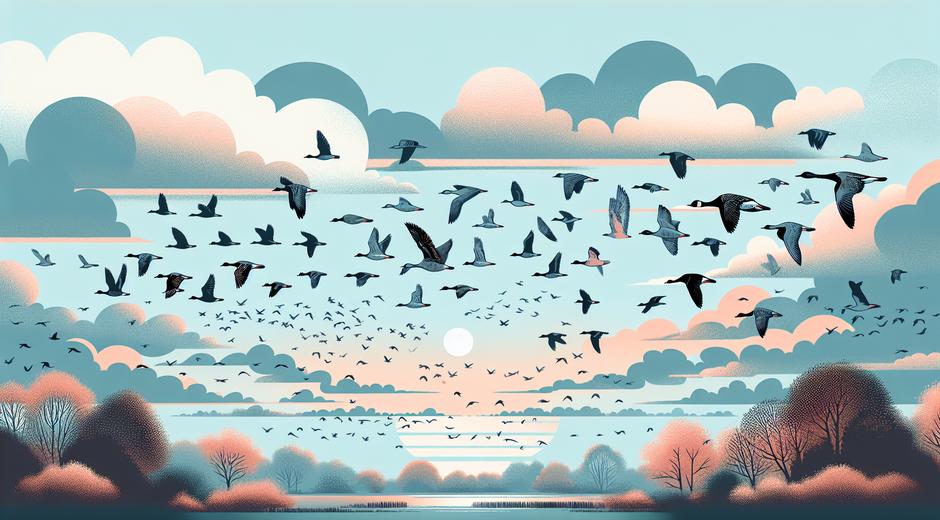
Bird Migration is a marvel of nature that connects continents ecosystems and people. Understanding the drivers the routes and the threats helps us act to conserve these journeys for future generations. Whether you watch a small warbler pause in a backyard shrub or a flock of geese cross a blue sky the spectacle is a reminder of the vitality and fragility of the natural world. By protecting habitat reducing hazards and supporting science we can ensure that the ancient rhythms of migration continue to enrich our planet.