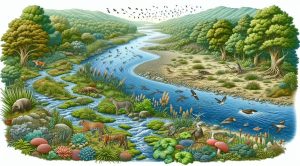


Biological Corridors
Biological Corridors are essential tools for conserving biodiversity in a world where natural areas are increasingly fragmented by human use. These living pathways link isolated habitat patches to allow plants and animals to move, to find food, to breed and to adapt to changing conditions. Effective corridors support ecosystem functions and help maintain genetic diversity across landscapes. In this article we explore what Biological Corridors are, why they matter, how they are designed and managed, and how communities and policy makers can support their implementation for long term ecological resilience.
What Are Biological Corridors
At their core Biological Corridors are stretches of land or water that connect separated natural areas. They come in many forms from riparian strips along rivers to restored patches of native vegetation between woodlands to continuous stretches of protected habitat. Corridors reduce the isolation of populations by enabling movement and gene flow. Their function is not only to allow large scale migration but also to support day to day movements such as seasonal foraging and dispersal of young individuals.
Why Biological Corridors Matter
Human activity has created a patchwork of urban and agricultural land that isolates wildlife populations. Isolation increases the risk of local extinction because small populations are more vulnerable to disease, to extreme weather and to loss of genetic diversity. Corridors help species adjust their ranges when climate conditions shift and provide pathways for recolonization after local declines. Protecting and restoring corridors is a cost effective strategy for conservation because it leverages existing natural areas and enhances their value for biodiversity.
Design Principles for Effective Corridors
Designing Biological Corridors requires attention to ecological, social and spatial factors. Key principles include connecting core habitat areas that support viable populations, ensuring that the corridor has suitable habitat structure for the target species, and addressing threats such as invasive species and barriers to movement. The width and composition of a corridor depend on the needs of focal species. For example large mammals may need broad stretches of continuous habitat while many pollinators can use networks of small flowering patches to move across a landscape. A well designed corridor also accounts for human needs and seeks to reduce conflict through planning and outreach.
Planning and Mapping Corridors
Modern corridor planning uses spatial data and species movement models to identify priority linkages. Conservation planners map core areas based on habitat quality and population distribution and then identify least cost pathways that reduce exposure to threats and obstacles. Publicly available remote sensing data and open source tools make it possible to visualize connectivity at regional scale. Effective plans include short term actions like fencing or road crossing structures and longer term restoration of native vegetation to ensure sustainable movement routes.
Restoration and Management Practices
Restoring a corridor often begins with site assessment to understand soil conditions, water availability and existing vegetation. Management actions may include removing invasive species, planting native trees and shrubs that provide food and shelter, and creating micro habitats such as logs and dense understory for ground dwelling species. Maintenance is an ongoing need because corridors that are not managed can degrade. Monitoring helps managers adjust practices and measure success through indicators such as species presence and genetic exchange.
Benefits for Wildlife and People
Biological Corridors deliver clear benefits for wildlife by enabling range shifts and supporting population stability. They also benefit people by enhancing ecosystem services. Connected landscapes improve water quality by protecting riparian zones, they reduce soil erosion and they support pollination for nearby crops. Corridors can create green spaces for recreation and education which strengthens local support for conservation. Economic benefits include increased tourism potential and reduced costs for species recovery compared to creating new protected areas from scratch.
Case Studies and Success Stories
Across the world initiatives have shown how corridors can succeed when science and local knowledge combine. In many regions community led restoration of river banks and native forest patches has re linked habitat and allowed species to recover. Successful examples highlight the importance of flexible approaches that tailor corridor design to local species and social context. For practitioners seeking practical guidance and case studies relevant to their region we recommend resources that compile best practices and lessons learned from diverse climates and ecosystems.
Engaging Communities and Stakeholders
Community involvement is critical to the longevity of any corridor project. Land owners, local government and indigenous groups all hold pieces of the landscape and their buy in ensures corridors remain functional. Participatory mapping, incentives for habitat friendly land use and educational programs help build local stewardship. Creating opportunities for local employment in restoration and monitoring connects conservation outcomes with livelihoods which boosts long term success.
Policy Frameworks and Funding
Policy support can accelerate corridor adoption by integrating connectivity into land use planning and protected area policies. Funding mechanisms range from government grants to private partnerships and conservation finance models. International cooperation is also important because many species move across national boundaries. Aligning conservation targets with development planning ensures that corridors are considered early in the planning process rather than as after thought. For more examples of partnerships and funding approaches visit Chronostual.com where practitioners share tools and strategies.
Monitoring, Evaluation and Adaptive Management
Measuring corridor performance is essential. Common indicators include species presence and abundance, movement rates tracked by camera traps or telemetry and genetic metrics that reflect gene flow. Adaptive management uses monitoring data to refine restoration methods and to respond to new threats such as disease or extreme weather. Transparent reporting and sharing of data helps build the evidence base for corridor effectiveness and guides future investments.
How You Can Support Corridor Efforts
Individuals can support Biological Corridors by advocating for connectivity in local planning processes and by creating habitat friendly gardens and green spaces that serve as stepping stones for wildlife. Land owners can adopt practices that maintain natural edges and native vegetation. Educators can incorporate corridor concepts into curricula to raise awareness with young learners. For an overview of nature focused content and practical guidance on conservation topics visit bionaturevista.com to explore articles and project ideas that help connect people with nature.
Conclusion
Biological Corridors are a powerful and flexible conservation tool. They help reconcile human land use with the needs of wildlife by linking habitat, maintaining ecosystem function and enabling species to respond to change. Successful corridors result from careful design, ongoing management and strong partnerships among communities governments and conservation organizations. By valuing connectivity and acting at multiple scales we can create landscapes that support both thriving ecosystems and resilient human communities for generations to come.