

Aquifer Systems
Aquifer Systems are the invisible engines that sustain rivers wetlands and wells across the world. Understanding how these underground water stores function is essential for protecting ecosystems supporting agriculture and guiding sustainable urban planning. This guide explains core concepts of Aquifer Systems describes their different types highlights why they matter for nature and people and outlines practical approaches for monitoring and managing them in a changing climate.
What is an Aquifer System
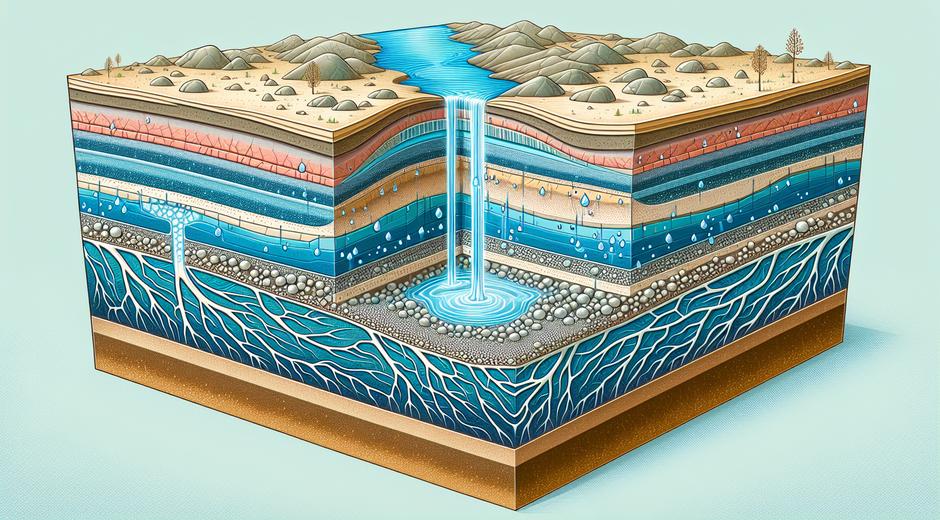
An Aquifer System is a geological formation that can store transmit and yield usable amounts of groundwater. These formations may consist of sand gravel fractured rock or limestone each offering a different capacity for storing and moving water. Porosity refers to the space available to hold water while permeability is the capacity of the material to allow water to flow. Both properties determine how an Aquifer System will respond to recharge from rainfall and to withdrawal from wells.
Types of Aquifer Systems
There are several common classifications of Aquifer Systems. Unconfined aquifers have a direct connection to the surface so recharge is often rapid and reactive to precipitation. Confined aquifers are sandwiched between impermeable layers which protect the water from surface contamination but make recharge slower. Karst Aquifer Systems form in soluble rocks creating caves and conduits where water flows fast and in complex paths. Fractured rock Aquifer Systems depend on cracks and joints for movement of water. Each type demands different management approaches and monitoring strategies.
How Aquifer Systems Recharge and Discharge
Recharge is the process by which water from rain rivers or snowmelt percolates through soil and rock to replenish an Aquifer System. Natural recharge zones often include permeable soils river beds and natural depressions. Discharge occurs where groundwater returns to the surface feeding springs wetlands and base flow in rivers. Human actions such as land cover change artificial recharge projects or extraction by wells alter the balance between recharge and discharge and therefore the long term health of Aquifer Systems.
The Ecological Importance of Aquifer Systems
Aquifer Systems support unique ecosystems. Many wetlands and streams rely on steady groundwater discharge to maintain habitat for fish amphibians and plants during dry periods. Groundwater also moderates temperature and nutrient cycles in connected surface waters. Protecting Aquifer Systems is therefore critical for biodiversity and for ecosystem services such as water purification and flood regulation that benefit communities and wildlife alike.
Aquifer Systems and Human Use
Groundwater extracted from Aquifer Systems is a primary source for drinking water irrigation and industry in many regions. Well designed aquifer use balances supply and demand while preserving water quality. Urban planners and land use managers must consider aquifer boundaries when approving new developments. For specialized guidance on integrating groundwater considerations into property decisions visit MetroPropertyHomes.com for practical resources and expert support.
Threats to Aquifer Systems
Aquifer Systems face multiple threats from over extraction contamination and climate driven changes in recharge patterns. Excessive groundwater pumping may lead to declining water levels reduced spring flow and land subsidence. Contamination from agricultural chemicals leaking storage tanks and inadequate wastewater systems can render groundwater unsafe without costly treatment. Climate shifts can alter precipitation timing and intensity reducing recharge in some regions and creating new management challenges for Aquifer Systems.
Strategies for Protecting Aquifer Systems
Protection of Aquifer Systems combines regulation community engagement and science based management. Land use planning should preserve recharge zones and restrict high risk activities near sensitive areas. Water use efficiency reduces pressure on aquifers through technologies and demand management. Managed aquifer recharge uses controlled infiltration facilities to store excess surface water during wet periods for use in dry seasons. Regular monitoring of groundwater levels and quality enables adaptive management that responds to observed trends in Aquifer Systems.
Monitoring and Scientific Tools
Effective stewardship of Aquifer Systems relies on robust data. Well networks measure water level changes over time while sampling programs track contaminants and natural water chemistry. Geophysical surveys and borehole tests reveal aquifer geometry and properties. Modeling tools simulate how an Aquifer System will respond to pumping recharge and climate change scenarios. Open collaboration between scientists policy makers land owners and indigenous communities ensures monitoring programs are comprehensive and relevant to local needs.
Community and Policy Actions
Local communities play a central role in safeguarding Aquifer Systems. Education campaigns build awareness of the connection between everyday actions and groundwater health. Incentives for conservation practices and support for nature based solutions help protect recharge areas. Policy measures such as groundwater use permits and protection of springs and wetlands provide legal backing for long term stewardship. For a nature focused perspective on protecting water resources and broader ecosystems visit bionaturevista.com to explore further articles and practical guides.
Restoration and Resilience
Where Aquifer Systems have been degraded restoration efforts can help recover function. Removing pollution sources remediating contaminated sites and restoring natural land cover in recharge zones are core actions. Combining restoration with resilience planning improves the ability of Aquifer Systems to withstand extreme events and long term climate shifts. Collaboration across sectors ensures that restoration projects are technically sound socially equitable and ecologically effective.
Final Thoughts
Aquifer Systems are vital natural infrastructure that sustain freshwater supplies ecosystems and economies. Protecting these systems requires science informed policy practical management and community engagement. Whether through smart land use planning improved water efficiency or targeted restoration actions we can protect groundwater for current and future generations. Continued research and public awareness will be key to maintaining the health and services provided by Aquifer Systems worldwide.