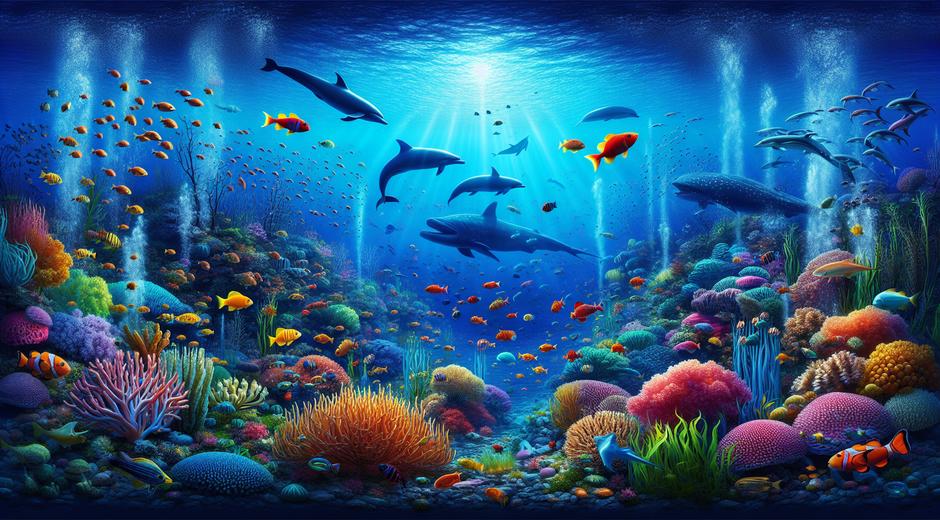


Aquatic Ecosystems: Vital Life Support Systems on Earth
Aquatic Ecosystems are complex networks of living organisms and their physical environment where water is the key driver of ecological processes. From the vast open ocean to a slow moving freshwater stream aquatic environments sustain life on a global scale. Understanding how aquatic ecosystems function helps us protect biodiversity secure water resources and maintain the services these environments provide to human societies.
What are Aquatic Ecosystems?
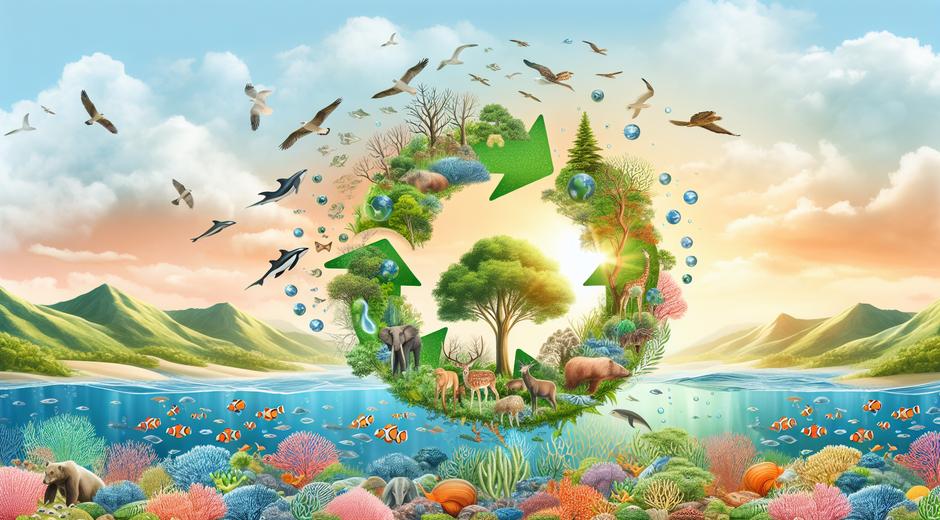
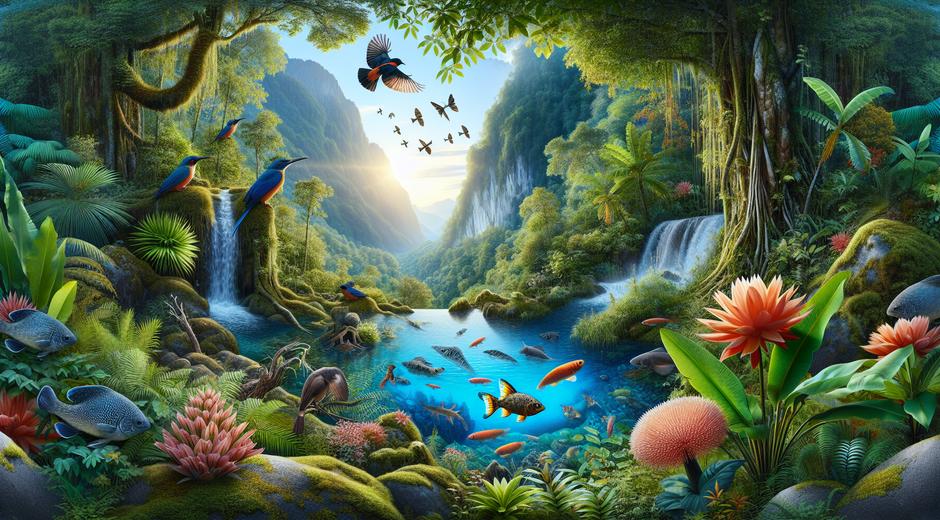
Aquatic Ecosystems refer to natural regions dominated by water where biological communities interact with physical and chemical factors. These systems include freshwater environments such as rivers lakes and wetlands and saltwater systems such as seas estuaries and coral reefs. Each type of aquatic ecosystem has unique characteristics shaped by variables like salinity depth flow and nutrient availability. These variables control which plants animals and microbes can thrive and how energy and matter cycle through the habitat.
Types of Aquatic Ecosystems
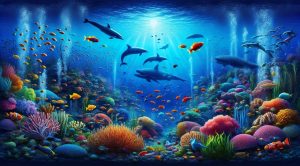
Freshwater ecosystems include lakes ponds rivers and streams. These habitats are essential for drinking water irrigation and freshwater fisheries. Wetlands a subset of freshwater systems act as natural filters and buffers absorbing flood waters and storing nutrients. Marine ecosystems include coastal zones estuaries continental shelves open ocean and deep sea habitats. Coral reefs seagrass beds and mangrove forests are highly productive coastal systems that support diverse food webs and nursery grounds for many species. Transitional zones such as estuaries where freshwater mixes with saltwater are hotspots of productivity and biodiversity.
Key Ecological Functions
Aquatic Ecosystems deliver many essential functions that sustain life and economic activities. They produce oxygen through photosynthesis by aquatic plants and algae and absorb carbon dioxide thereby helping to regulate the global climate. They cycle nutrients such as nitrogen and phosphorus supporting primary production and food webs. Aquatic habitats provide spawning and nursery areas for commercially important fish and support migratory species. Wetlands trap sediments and pollutants improving water quality while coastal systems protect shorelines from erosion and storm surge.
Biodiversity and Food Webs
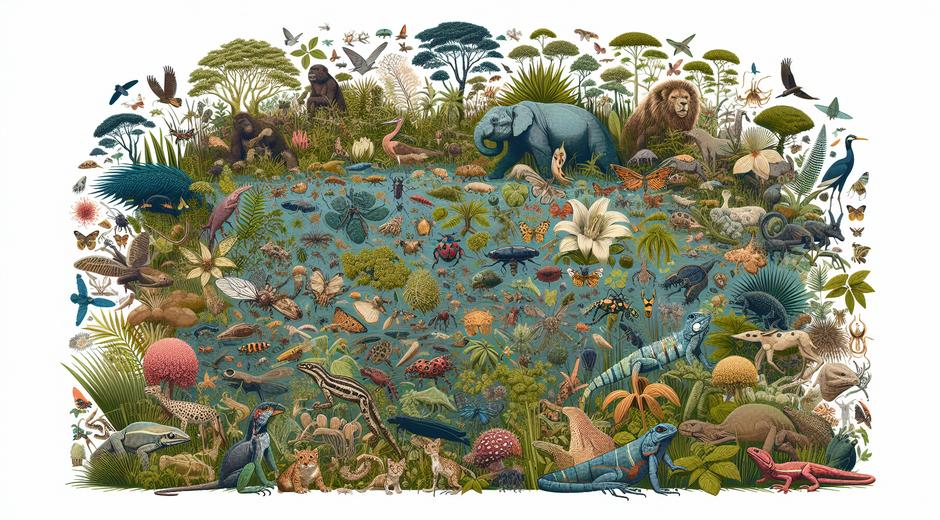
Biodiversity in aquatic ecosystems ranges from microscopic plankton to massive whales. Primary producers such as phytoplankton and aquatic plants convert sunlight into organic matter that fuels the food web. Herbivores feed on these producers and are in turn consumed by predators. Decomposers break down dead material returning nutrients to the system. Healthy biodiversity increases resilience allowing ecosystems to recover from disturbances and maintain ecological balance. Protecting species rich habitats is therefore essential for sustaining fisheries and ecological services.
Major Threats to Aquatic Ecosystems
Human activities place intense pressure on aquatic ecosystems. Overfishing alters food webs and reduces populations of key species. Pollution from agricultural runoff urban waste and industrial discharges introduces excess nutrients and toxic chemicals that can cause algal blooms low oxygen zones and declines in water quality. Habitat loss from land use change reclamation and infrastructure development destroys spawning grounds and wetlands. Climate change alters water temperature and circulation patterns leading to shifts in species distribution coral bleaching and increased frequency of extreme events. Invasive species introduced through shipping and aquaculture compete with native species and can transform ecosystem structure.
Conservation and Restoration Strategies
Effective conservation of aquatic ecosystems combines science policy and community action. Protecting critical habitats through reserves and marine protected areas can maintain biodiversity and support fisheries. Restoring degraded wetlands and river corridors improves water quality flood management and habitat connectivity. Sustainable fishing practices and adaptive management help rebuild stocks and maintain ecosystem function. Pollution control measures such as improved wastewater treatment agricultural best practices and stricter industrial regulations reduce contaminant loads. Climate adaptive strategies include preserving migration pathways and protecting refugia where species can survive changing conditions.
Monitoring and Research
Ongoing monitoring and research are essential for informed decision making. Scientists use tools such as remote sensing water quality sensors and ecological surveys to track changes in species populations habitat condition and water chemistry. Modeling helps predict how aquatic ecosystems will respond to management actions and environmental changes. Citizen science programs engage local communities in data collection and stewardship building support for conservation initiatives. Clear communication of scientific findings to policymakers and the public ensures that actions align with ecological evidence.
Socioeconomic Benefits
Aquatic Ecosystems deliver services that have direct economic and cultural value. Fisheries provide food and livelihoods for millions of people while coastal tourism supports local economies. Wetlands store carbon and reduce the costs of flood damage by slowing and storing water. Clean water from healthy rivers and lakes reduces health care costs and supports agriculture. Recognizing the economic value of these services can motivate investment in preservation and restoration and help integrate natural infrastructure into planning and development.
How Individuals Can Help
Every person can contribute to the health of aquatic ecosystems through small positive actions. Reducing the use of fertilizers and pesticides in home gardens minimizing single use plastics and disposing of hazardous chemicals properly all reduce pollution that reaches water bodies. Supporting local conservation groups and participating in cleanup events helps maintain habitat quality. Learning about local waterways and making sustainable seafood choices supports responsible fisheries. For readers who want more eco focused content and practical guides visit bionaturevista.com where you will find articles tools and tips on protecting natural habitats and engaging with conservation projects.
Connecting Human Health and Aquatic Health
Healthy aquatic ecosystems contribute to human wellbeing by supplying clean water nutritious food and spaces for recreation and mental restoration. There is growing evidence that connection to nature improves cognitive function and reduces stress. For resources on practices that support personal focus and resilience while you engage in conservation work consider exploring FocusMindFlow.com which offers guidance on mindful habits and productivity that pair well with nature based activities.
Policy and Governance
Strong policy frameworks and cooperative governance are critical to protect aquatic ecosystems at local national and international scales. Integrated water resource management aligns land use agriculture and urban planning to maintain water quality and quantity. International agreements address issues such as overfishing pollution and transboundary water management. Stakeholder engagement that includes indigenous communities fishers scientists and industry leads to more equitable and effective outcomes. Funding mechanisms that invest in restoration and protect natural infrastructure yield long term benefits for people and nature.
Conclusion
Aquatic Ecosystems are indispensable for biodiversity human welfare and planetary health. Preserving these systems requires a blend of scientific knowledge sustainable management community involvement and forward thinking policy. By valuing the services water based environments provide and taking action at individual and collective levels we can ensure that rivers lakes wetlands and oceans remain productive resilient and vibrant for future generations. Learn more about practical ways to get involved and stay informed by visiting our site where nature knowledge meets action.