

Nature Conservation Strategies: A Practical Guide for Lasting Impact
Nature Conservation Strategies are essential for protecting biodiversity and sustaining the natural systems that support human life. From local habitat protection to national policy design every action contributes to a larger outcome. This article outlines proven approaches for conservation practitioners community leaders and concerned citizens who want to make a measurable difference. For readers looking for tools and updates visit bionaturevista.com for a growing library of resources and real world case studies.
Why Nature Conservation Matters
Healthy ecosystems provide clean water fertile soils climate regulation and pollination services that underpin food security and human health. Effective Nature Conservation Strategies reduce the risk of species loss and maintain the ecological functions that sustain communities. When ecosystems decline the costs to economies and to human wellbeing grow rapidly. Investing in strategic conservation now reduces long term financial social and environmental risk.
Core Nature Conservation Strategies
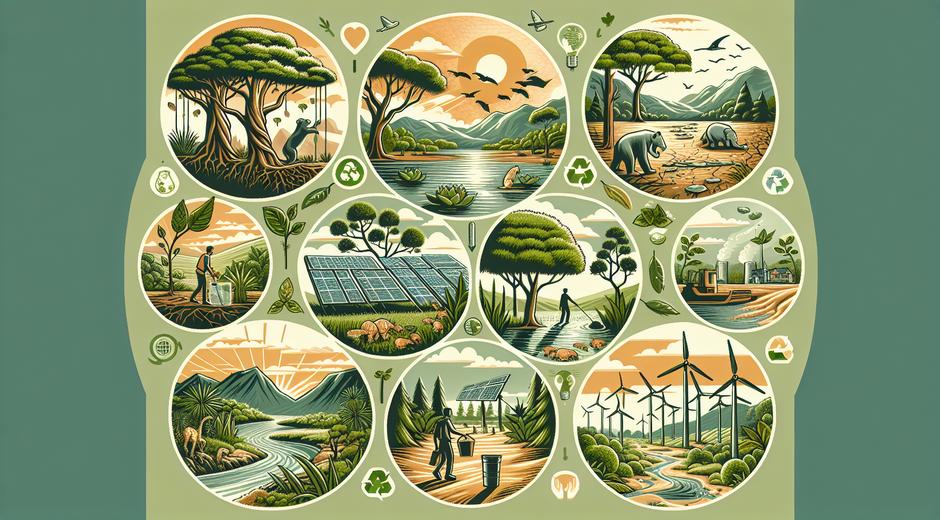
A robust conservation plan combines scientific evidence community priorities and clear implementation steps. Below are core Nature Conservation Strategies that work across different environments and scales.
Protecting Habitat and Ecosystems
Protecting habitat is the most direct way to conserve biodiversity. Legal protection of key areas prevents conversion of natural land to other uses and maintains habitat connectivity. Strategic zoning establishes core protected areas with buffer zones around them to reduce edge effects. In regions with high species richness community conserved areas can complement formal reserves. Conservation easements and land trust agreements offer practical ways for private landowners to maintain habitat values over time.
Restoring Degraded Areas
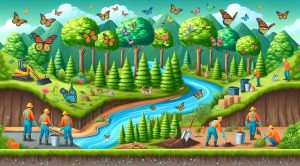
Restoration is a vital Nature Conservation Strategy where ecosystems have been altered or fragmented. Restoration can include reforestation wetland rehabilitation soil stabilization and removal of invasive species. Prioritizing areas that reconnect habitat fragments increases the effectiveness of restoration. Selecting native species that match local ecological conditions and involving local labor increases success and long term resilience. Monitoring restoration outcomes ensures that interventions are corrected when necessary and that resources are used wisely.
Promoting Sustainable Resource Use
Conservation often succeeds when people who rely on natural resources can meet their needs without degrading ecosystems. Sustainable resource use includes practices such as selective harvesting agroecology soil conservation and community based fisheries management. Supporting alternative livelihoods reduces pressure on sensitive habitats while improving household incomes. Payment for ecosystem services schemes reward land stewards for maintaining forest cover or clean water which links economic incentives to conservation goals.
Engaging Communities and Building Capacity
Local communities are critical partners in Nature Conservation Strategies. Conservation projects that integrate local knowledge with scientific expertise tend to be more culturally appropriate and durable. Capacity building includes training in monitoring sustainable practices and small scale enterprise development. Participatory mapping and inclusive decision making builds trust and clarifies the roles and benefits for all stakeholders. When communities see direct benefits from conservation they are more likely to support and sustain protective measures.
Leveraging Policy and Governance
Strong governance frameworks amplify local action. Policy measures such as incentives for protection regulations to curb illegal extraction and planning tools to limit harmful land use support Nature Conservation Strategies at scale. Integrating conservation goals into sectoral policies such as agriculture infrastructure and urban development ensures that nature objectives are not sidelined. Transparent enforcement community oversight and interagency coordination strengthen the rule of law and improve conservation outcomes.
Applying Science and Monitoring for Adaptive Management
Good conservation rests on reliable data and flexible management. Monitoring biological indicators land use patterns and socioeconomic impacts provides the evidence needed to evaluate progress. Adaptive management uses monitoring feedback to refine strategies learning from successes and failures. Remote sensing citizen science and mobile data collection are cost effective ways to scale monitoring efforts across large and remote areas.
Financing Conservation for Long Term Success
Securing sustainable finance is a cornerstone of durable Nature Conservation Strategies. Diverse funding sources include government budgets international grants corporate contributions and community based finance mechanisms. Innovative approaches such as conservation trust funds climate finance and biodiversity offsets can mobilize resources for priority actions. Transparent financial management and clear reporting build donor confidence and enable long term planning.
Using Technology to Enhance Conservation
Technology enhances the reach and precision of conservation work. Drones remote sensing and satellite imagery help managers map habitats detect illegal activities and monitor restoration success. Mobile platforms enable real time reporting by field staff and community members. Open data tools and spatial modeling guide strategic planning by identifying high priority sites and predicting future threats.
Creating Partnerships for Greater Impact
Nature Conservation Strategies succeed when stakeholders form strategic partnerships. NGOs academic institutions private sector actors and government agencies each bring vital strengths. Partnerships enable cost sharing access to technical expertise and broader political support. Regular communication clear roles and shared goals keep collaborations productive. For organizations seeking collaboration and promotional support explore resources available at BioNatureVista.com which showcases partnership opportunities tools and success stories.
Measuring Success and Scaling What Works
Defining measurable objectives and performance indicators makes it possible to show progress. Metrics can include hectares protected species population trends water quality improvements and local income changes. Documenting success stories and lessons learned supports replication and scaling. When positive outcomes are communicated effectively they attract new partners and additional funding which enables accelerated impact.
Practical Steps to Implement Nature Conservation Strategies Today
Start by identifying priority sites and threats using simple rapid assessments. Engage local stakeholders early and develop shared goals. Design interventions that combine protection restoration sustainable use and capacity building. Pilot actions at manageable scale collect data and refine methods before scaling up. Secure diverse funding sources and institutional support to ensure continuity. Finally communicate results broadly to build momentum and public support for long term conservation.
Conclusion
Nature Conservation Strategies are most effective when they are science based community driven and financially sustainable. Combining habitat protection restoration sustainable resource use capacity building policy support monitoring and technological tools creates a resilient conservation approach. By taking coordinated action today we can conserve species secure ecosystem services and safeguard the planet for future generations. Use the guidance in this article to design local plans and to connect with resources and partners that amplify impact.