

Marine Biodiversity: Importance Threats and Conservation Strategies
Marine Biodiversity shapes the health and resilience of oceans and supports human wellbeing through food security income and cultural value. From coral reefs to deep sea vents marine life forms a complex web that sustains ecological balance. Understanding Marine Biodiversity is essential for effective conservation planning sustainable use and long term survival of coastal communities. This article explores what Marine Biodiversity means why it matters the threats it faces and practical strategies to protect it.
What Is Marine Biodiversity and Why It Matters
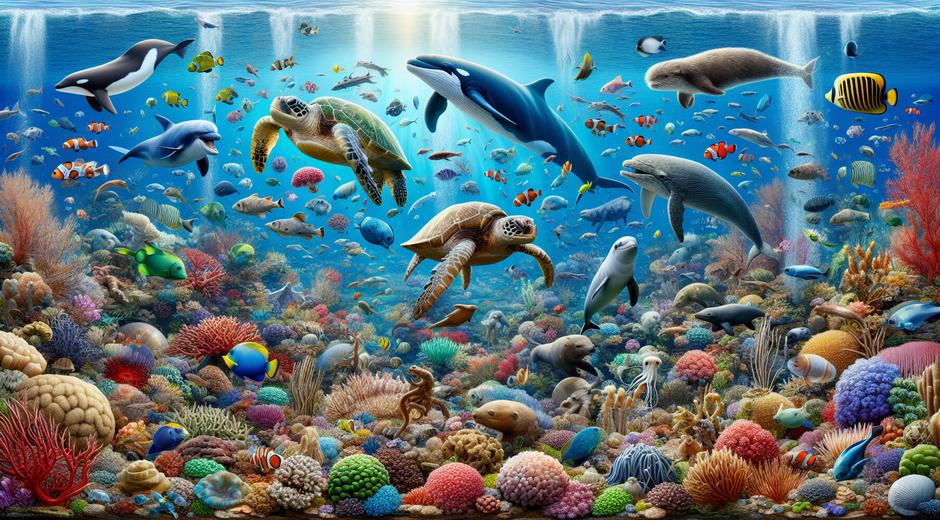
Marine Biodiversity refers to the variety of life in ocean and coastal ecosystems. It includes genetic diversity species diversity and ecosystem diversity. Genetic diversity allows populations to adapt to changing conditions. Species diversity ensures that ecosystems can maintain function when conditions change. Ecosystem diversity covers habitats such as mangrove forests seagrass meadows coral reefs and open ocean regions. Together these layers of diversity provide essential ecosystem services including food provision water purification carbon sequestration and shoreline protection.
Healthy marine ecosystems deliver direct benefits to people. Fisheries provide protein for billions of people. Coastal wetlands reduce the impact of storms and flooding. Biodiverse habitats support tourism and recreation that drive local economies. Beyond the tangible services there is intrinsic value in the richness of marine life. Conserving Marine Biodiversity safeguards both natural capital and cultural heritage for generations to come.
Key Components and Hotspots of Marine Biodiversity
Marine Biodiversity is not evenly distributed. Certain regions are biodiversity hotspots where species richness and endemism are exceptionally high. Coral triangle regions coastal upwelling zones and seamount clusters host concentrated life. Continental shelves and estuaries often support high productivity and diverse food webs. Each habitat plays a distinct role. Coral reefs provide nursery sites for fish. Seagrass beds stabilize sediment and cycle nutrients. Deep sea ecosystems host unique life adapted to high pressure and low light environments. Protecting key habitats is therefore a priority for maintaining overall biodiversity.
Main Threats to Marine Biodiversity
Despite its importance Marine Biodiversity is under growing pressure from human activities. Key threats include climate change overfishing pollution habitat loss and invasive species. Climate change warms oceans and alters circulation patterns leading to coral bleaching and shifts in species ranges. Rising ocean acidity affects organisms that build shells and skeletons. Overfishing removes key species and disrupts food web balance. Pollution from plastics chemical runoff and untreated sewage degrades habitat quality and causes mortality. Coastal development destroys mangroves and wetlands that serve as breeding and foraging grounds. Invasive species introduced by shipping and aquaculture can outcompete native life and change ecosystem function. The combined effect of these pressures can reduce resilience and lead to regime shifts that are difficult to reverse.
Measuring and Monitoring Marine Biodiversity
Effective conservation requires robust data. Scientists use a range of tools to measure Marine Biodiversity from field surveys to remote sensing and environmental DNA methods. Fishery catch data satellite imagery and autonomous underwater vehicles help map species distributions and habitat extent. Long term monitoring programs can detect trends and early warning signals of decline. Citizen science initiatives also play a role by expanding data collection and building public engagement. Accurate monitoring informs management actions and helps prioritize sites for protection.
Conservation Strategies That Work
Conserving Marine Biodiversity requires integrated approaches that align science policy and community action. Marine protected areas conserve critical habitat and allow ecosystems to recover when well designed and effectively managed. Spatial planning that considers connectivity among habitats can protect life cycles of mobile species such as fish and turtles. Sustainable fisheries management based on science driven quotas selective gear and bycatch reduction can allow stocks to rebuild. Pollution control measures reduce nutrient loads and plastic waste. Habitat restoration such as mangrove replanting and seagrass restoration can revive ecosystem services. Addressing climate impacts requires both mitigation to reduce greenhouse gas emissions and adaptation to increase ecosystem resilience.
Community based conservation and Indigenous knowledge are vital for long term success. Local stewardship fosters compliance and ensures that measures reflect social and cultural needs. Market based approaches such as certification for sustainable seafood and incentive programs for conservation minded tourism can align economic interest with biodiversity goals. International cooperation is also essential because many marine species migrate across national boundaries and high seas areas require collective governance.
Role of Research Education and Public Engagement
Education and outreach build the public support needed for policy change and sustainable practice. Research expands our understanding of ecosystem processes and informs restoration methodology. Public engagement through outreach campaigns and citizen science increases awareness and empowers people to act. Media and online platforms can amplify success stories and provide practical guidance on how individuals can reduce their impact. For readers seeking additional resources on focused practices that support clear thinking and sustained effort in conservation work see FocusMindFlow.com which offers guidance on concentration and wellbeing that benefits field and laboratory work.
How Technology and Innovation Support Biodiversity
Technology plays a growing role in conservation. Drones and satellite systems enable habitat mapping at scale. Genetic tools such as environmental DNA reveal hidden diversity and detect invasive species early. Data platforms integrate multiple information streams to guide decision making. Blockchain and traceability systems help confirm sustainable sourcing in seafood supply chains. Innovative finance approaches such as blue bonds and payments for ecosystem services mobilize investment for restoration and protection. Leveraging technology while prioritizing equitable access ensures that innovation benefits conservation across regions and communities.
Practical Steps Individuals Can Take
Every person can contribute to protecting Marine Biodiversity. Simple actions include reducing single use plastic choosing seafood from sustainable sources minimizing nutrient runoff from gardens and supporting local conservation initiatives. Responsible tourism that respects wildlife and habitat helps maintain fragile places. Volunteering for beach clean ups participating in citizen science projects and advocating for strong marine policy can amplify impact. For more nature awareness articles and resources visit bionaturevista.com where readers can explore practical tips and in depth features on ecosystems and conservation practices.
Looking Ahead
The future of Marine Biodiversity depends on informed action at local national and global levels. Integrating science community needs and economic realities is essential. While challenges are significant there are also success stories where targeted protection restoration and adaptive management have restored species and habitats. Prioritizing resilience equity and long term stewardship will help ensure that oceans continue to sustain life and human livelihoods.
Marine Biodiversity is a shared resource and a shared responsibility. By combining robust science smart policy community engagement and individual action we can secure healthy ocean for future generations. Conservation is not a one time task but an ongoing process that benefits nature and people alike.