

Coastal Wetlands
Coastal wetlands are among the most productive ecosystems on Earth. Found where land meets sea they include salt marshes mangrove forests tidal flats and estuarine wetlands. These habitats provide essential services such as water filtration flood protection carbon storage and critical habitat for fish birds and invertebrates. In this article we explore the value of coastal wetlands the threats they face and practical conservation strategies that communities can adopt to protect these living landscapes.
Why Coastal Wetlands Matter
Coastal wetlands play a pivotal role in supporting biodiversity and human well being. They act as natural buffers by absorbing storm energy and reducing wave impact which lowers the risk of property damage during storms. Wetlands also trap sediments and filter pollutants from runoff which improves water quality for nearby communities and marine life. Perhaps most important in the context of global change is the ability of many coastal wetlands to sequester carbon at rates far higher than many terrestrial ecosystems helping mitigate climate change.
Key Types of Coastal Wetlands
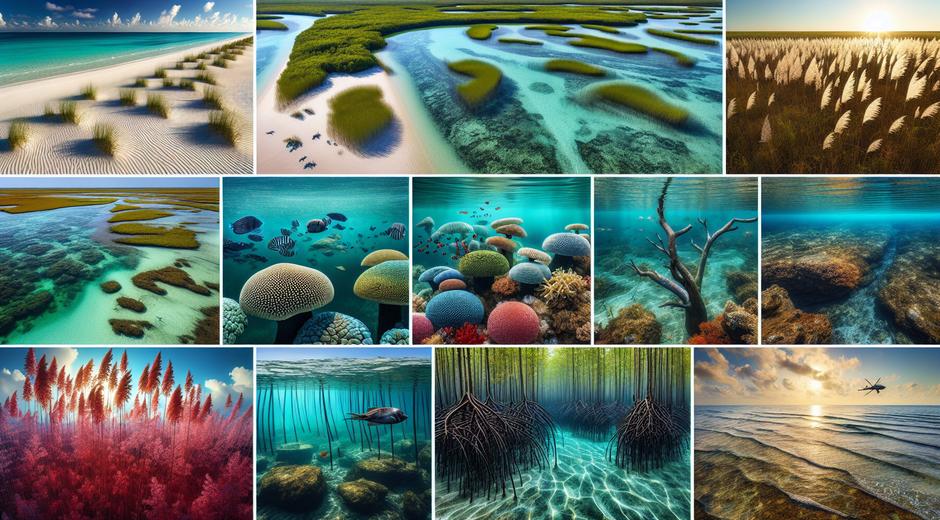
Understanding the main types of coastal wetlands helps guide restoration and management actions. Major types include:
- Salt marshes which are dominated by grasses and occur in temperate regions
- Mangrove forests found in tropical and subtropical shorelines
- Tidal flats which are exposed at low tide and provide feeding grounds for shorebirds
- Estuarine wetlands located where rivers meet the sea and fresh water mixes with salt water
Each type supports unique communities of plants and animals and contributes distinct ecological services. For example mangrove roots stabilize shorelines and provide nursery habitat for fish while salt marsh grasses trap sediments and support migrating birds.
Ecological Services and Economic Value
Coastal wetlands deliver a wide range of ecological services that have direct and indirect economic value. These services include:
- Flood risk reduction through wave and storm surge attenuation
- Water purification by trapping sediments and removing nutrients
- Support for fisheries by offering nursery areas for juvenile fish and shellfish
- Carbon storage which contributes to climate regulation
- Recreation and ecotourism opportunities such as bird watching kayaking and guided nature tours
Estimating the monetary value of these services demonstrates their importance for policy makers and local stakeholders. Investments in wetland protection often yield high returns by preventing costly damage from storms and by supporting sustainable fisheries and tourism.
Major Threats to Coastal Wetlands
Despite their importance coastal wetlands are under intense pressure worldwide. Key threats include:
- Coastal development which converts wetlands to housing ports and infrastructure
- Pollution from agricultural runoff sewage and industrial discharges
- Altered water flows from dams levees and canal construction which change salinity and sediment delivery
- Sea level rise which can drown wetlands when landward migration is blocked
- Overharvesting of resources and unsustainable aquaculture practices
These pressures often act together creating cumulative impacts that reduce wetland area degrade habitat quality and lead to loss of biodiversity. Effective management must address both local drivers and broader scale changes such as climate impacts.
Conservation and Restoration Strategies
Successful protection of coastal wetlands relies on a mix of science based planning policy tools and community engagement. Practical actions include:
- Protecting intact wetlands through designation of reserves or conservation easements
- Restoring natural hydrology by removing barriers and reconnecting rivers to their floodplains
- Replanting native vegetation such as mangroves and salt marsh grasses to stabilize sediments
- Reducing pollution inputs by improving wastewater treatment and adopting best practices in agriculture
- Implementing living shorelines that use natural materials and vegetation to reduce erosion while preserving habitat
Monitoring and adaptive management are essential. Restoration projects should include baseline surveys and long term follow up to measure outcomes and adjust techniques as conditions change. Engaging local communities in monitoring increases stewardship and builds support for ongoing management.
Policy Tools and Funding Mechanisms
Policy makers can use a suite of tools to promote wetland conservation. These include zoning rules that prevent construction in critical areas financial incentives for private landowners and payment for ecosystem service schemes that reward wetland preservation. International funds and conservation grants can support large scale restoration projects while local public private partnerships often enable practical on the ground work.
Education and public outreach encourage local buy in and can mobilize volunteers for planting and monitoring activities. For practitioners and community leaders seeking further resources there are many dedicated platforms that curate scientific and practical information while offering toolkits for restoration projects. One useful resource for cultural research and engagement is Museatime.com which can help teams design interpretive programs that link heritage with nature conservation.
How Citizens Can Help Protect Coastal Wetlands
Community involvement is one of the most powerful levers for wetland protection. Simple actions include supporting local conservation organizations participating in clean up events and advocating for policies that protect shoreline habitats. Homeowners can reduce runoff by using permeable surfaces and planting native vegetation that traps sediments and absorbs nutrients.
Schools and youth groups can adopt wetland areas for long term studies which build local capacity and generate data that supports management decisions. If you want to learn more about nature conservation initiatives and local actions you can visit our site for articles guides and project ideas at bionaturevista.com.
Case Studies in Successful Restoration
Across the globe there are inspiring examples of coastal wetland recovery. In many cases collaboration between scientists local communities and government agencies has led to measurable gains in wetland area biodiversity and ecosystem services. Key features of successful projects include strong baseline science stakeholder participation phased restoration and long term funding. Highlighting these case studies helps transfer lessons and encourages replication in new places.
Looking Ahead
Preserving coastal wetlands requires integrated approaches that combine habitat protection adaptive restoration and policies that address larger scale drivers such as climate change. As sea level continues to rise it is increasingly important to plan for landward migration corridors and to avoid hard infrastructure that prevents natural movement. By valuing the many services that coastal wetlands provide and by investing in nature based solutions communities can enhance resilience support biodiversity and sustain livelihoods for generations to come.
Conclusion
Coastal wetlands are indispensable for both nature and people. From protecting shorelines to supporting fisheries and storing carbon these ecosystems deliver benefits that are often overlooked until they are gone. Strategic conservation restoration and strong community engagement offer a pathway for maintaining healthy coastal wetlands in the face of growing pressures. Whether you are a policy maker a conservation practitioner or a concerned citizen there are meaningful steps you can take to protect these vital ecosystems and ensure they continue to thrive.