

Plant Morphology: Exploring Form Function and Adaptation in the Green World
Plant Morphology is the study of the visible form and external structure of plants. It helps us understand how roots stems leaves flowers and fruits are organized and how their shapes and arrangements relate to function survival and reproduction. For anyone interested in natural history ecology botany or gardening a solid grasp of Plant Morphology provides the vocabulary and the insight needed to describe plant diversity analyze ecological strategies and apply practical knowledge in conservation and agriculture.
What Plant Morphology Means and Why It Matters
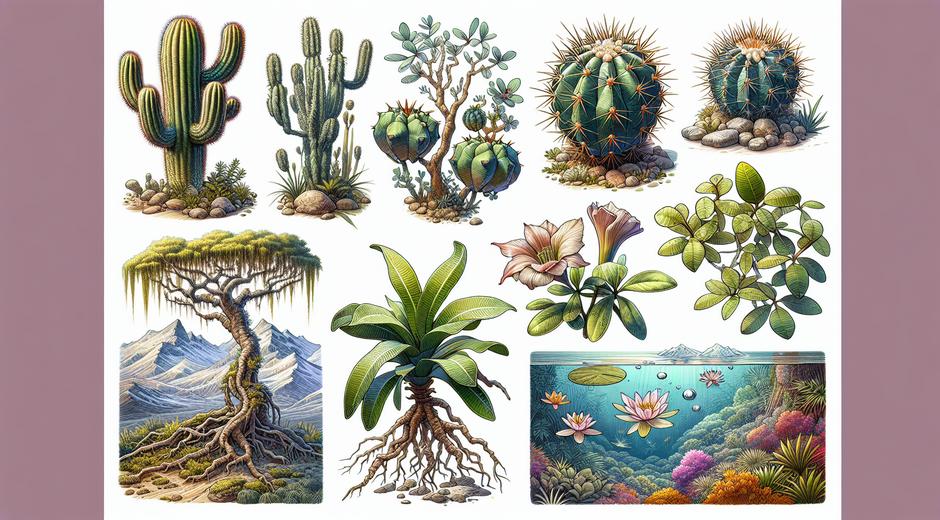
At its core Plant Morphology is concerned with the description of plant parts and the patterns they form. That description is the foundation for making comparisons across species for identifying plants and for inferring how particular forms evolved in response to environmental pressures. Morphological studies reveal how a cactus stem stores water how a grass leaf reduces water loss and how compound leaves increase light capture. Because form and function are linked learning Plant Morphology allows researchers and enthusiasts to predict how a plant might behave in a new environment or under changing climatic conditions.
Major Plant Organs and Their Morphological Features
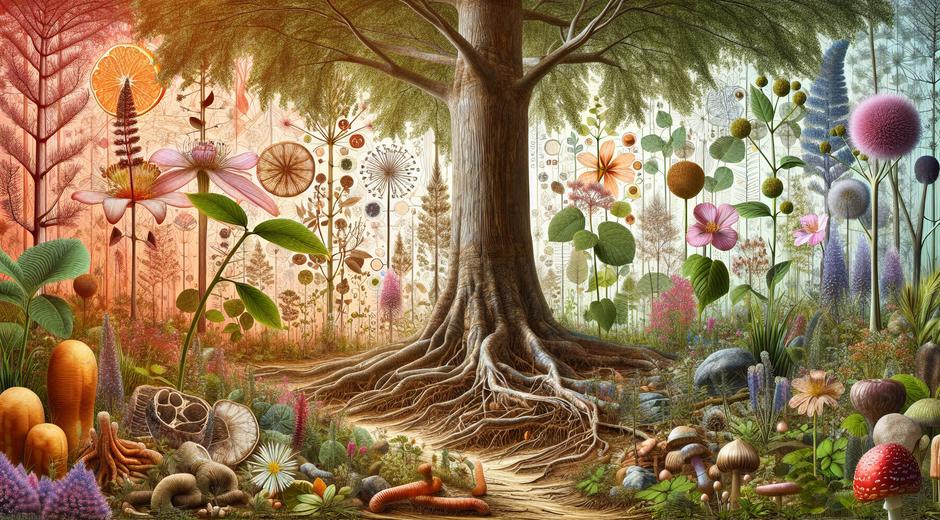
Roots are the below ground organs involved in anchorage absorption and storage. Root types such as tap root and fibrous root show different branching patterns and tissue structures that reflect life history and habitat preferences. The stem serves as the central axis for support transport and storage. Stem morphology ranges from slender vines that climb for light to thick swollen stems that store reserves. Leaves are the primary sites of photosynthesis and their shapes margin types venation and arrangement on the stem influence light interception and transpiration. Floral morphology is central to reproduction with structures that include sepals petals stamens and carpels arranged in ways that enhance pollination success. Fruit morphology reflects seed dispersal strategies with adaptations that include fleshy edible tissues wings or hooks for animal or wind transport.
Developmental Patterns and Morphological Variation
Plant form arises through development which is the sequence of cell division enlargement and differentiation that transforms a seed into a mature plant. Observing developmental stages provides clues about how morphology is regulated genetically and environmentally. Some plants show determinate growth culminating in a flowering event while others show indeterminate growth and maintain vegetative production over many seasons. Heteroblasty is a phenomenon where the form changes with age often resulting in juvenile leaves that look different from adult leaves. Phenotypic plasticity describes how a single genotype can produce different morphological outcomes in response to environmental variation such as light water and nutrient availability. Understanding these developmental and plastic responses is essential for both basic research and practical applications such as breeding and habitat restoration.
Morphology and Ecological Adaptation
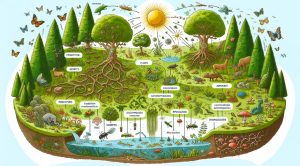
Morphological traits often reflect ecological pressures. Xerophytic traits such as reduced leaf area thick cuticles and sunken stomata help plants conserve water in arid systems. In wetlands aerenchyma tissue facilitates oxygen transport in waterlogged soils. Leaf form and orientation can reduce overheating or optimize light use in shaded understories. Root architecture determines a plant capability to exploit soil resources and to resist erosion. These adaptive morphologies are not just curiosities for naturalists they are practical signals used by ecologists to assess ecosystem health and by land managers to select species suited for restoration projects.
Tools and Techniques for Morphological Study
Historically morphology relied on careful observation sketching and herbarium collections. Modern approaches combine these traditions with microscopy imaging morphometrics and molecular markers. Light and electron microscopy reveal cell and tissue arrangements that explain mechanical support transport and storage. Digital imaging and software allow morphometric analysis that quantifies shape variation across populations and species. Field studies complemented by experimental manipulations test how morphology responds to environmental change. Integration across scales from cell anatomy to whole plant form strengthens our ability to interpret patterns and test evolutionary and ecological hypotheses.
Plant Morphology in Taxonomy and Identification
Practical plant identification depends on morphological characters. Keys and floras rely on consistent visible traits such as leaf arrangement flower parts and fruit type to separate species. Understanding which traits are stable and which are variable is part of morphological training. For botanists identifying plants in the field a clear knowledge of Plant Morphology speeds accurate identification and reduces error. This skill is valuable for citizen scientists conservation volunteers and professionals who manage natural resources. For those who want to learn step by step resources can be found on trusted educational platforms including StudySkillUP.com which offers study techniques that help learners master complex topics such as morphology and systematics.
Applications in Agriculture Horticulture and Conservation
Plant Morphology has direct applications. Crop breeders select for root traits that improve drought tolerance or nutrient uptake and for leaf architectures that boost photosynthetic efficiency. Horticulturists manipulate form through pruning grafting and training for desired aesthetic or functional outcomes. In conservation morphology helps identify rare species monitor habitat quality and select appropriate taxa for reintroduction. Understanding the morphological needs of a species such as preferred rooting depth or seed dispersal mode increases the success rate of restoration projects. The practical benefits of morphological knowledge extend to sustainable land management and to urban greening where species selection must match local site conditions.
Learning and Teaching Plant Morphology
Teaching morphology combines hands on training with observational projects. Herbarium specimen preparation field dissections and microscopy labs build core skills. Visual learning through diagrams and curated image libraries helps students recognize trait patterns. For self learners online resources and interactive modules provide guided practice. If you are exploring natural history or preparing for formal study a broad portal such as bionaturevista.com can be a useful starting point for articles guides and links to further reading. Pairing reading with field practice cements knowledge and develops an eye for morphological detail.
Future Directions in Morphological Research
Future work will deepen integration between morphology genomics and ecology. Phenotyping technologies will accelerate trait measurement across diverse environments enabling new tests of how form evolves under climate change. Computational models that link development with biomechanics and physiology will provide predictive frameworks for trait function. Cross disciplinary collaborations will expand our capacity to use morphological knowledge in agriculture conservation and synthetic biology. As tools improve the classic field based traditions of morphology remain vital because careful observation continues to reveal patterns that spark new hypotheses.
Conclusion
Plant Morphology is a vital field that links form function and adaptation across the plant kingdom. It provides the descriptive language and the analytical framework needed to identify species to interpret ecological interactions and to apply knowledge in agriculture conservation and education. Whether you are a student researcher or nature enthusiast understanding morphology deepens appreciation for plant diversity and equips you with practical tools to engage with the living world. Explore morphological concepts in the field at your local green space and consult reliable resources as you build your skills and your curiosity about the green forms that shape our planet.