

Nature Interactions: How Life Connects Across Landscapes and Time
Nature Interactions shape every living community on Earth. From tiny microbes in soil to large predators roaming plains each action and reaction creates a complex web of relationships that determines the health of ecosystems and the services they provide to people. Understanding Nature Interactions helps scientists design better conservation plans guides land managers and inspires citizens to observe and protect the living world around them. To explore more background resources visit bionaturevista.com which brings together articles and field guides focused on the science and beauty of natural connections.
What We Mean by Nature Interactions
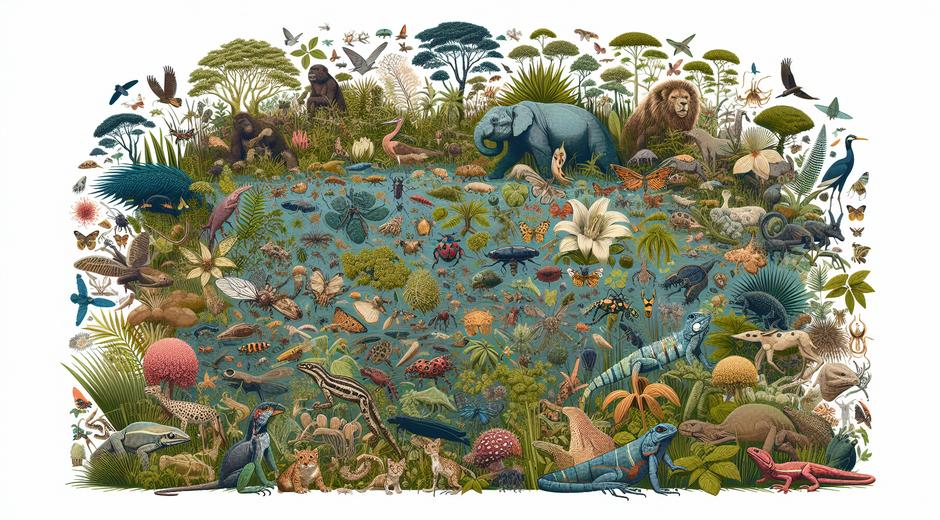
Nature Interactions refer to the direct and indirect links between organisms and their environments. These links include feeding relationships such as predation and herbivory mutual partnerships such as pollination and seed dispersal competition for resources and more subtle processes such as facilitation where one species improves conditions for another. These relations are not static. They change with seasons with climate and with human influence creating dynamic mosaic patterns across landscapes.
Key Types of Interactions in Nature
Ecologists group Nature Interactions into recognizable categories that help with observation and analysis. Common categories include:
- Mutualism where both species benefit as with many plant pollinator pairs.
- Commensalism where one species gains and the other is largely unaffected such as epiphytic plants growing on branches of trees.
- Parasitism where one species benefits at the expense of another as seen with many internal and external parasites.
- Competition where species vie for the same limited resource leading to shifts in abundance and behavior.
- Predation and herbivory where consumers regulate prey populations and influence community structure.
These categories overlap and can shift over an organism life cycle or across environments. For example a bird that disperses seeds may also eat the same seeds depending on context turning a mutual link into a consumptive one.
Mechanisms That Drive Nature Interactions
At the heart of Nature Interactions are mechanisms such as resource availability organism behavior and evolutionary history. Resource pulses like a sudden fruiting event can alter food web dynamics by supporting larger consumer populations. Behavior such as territoriality or migration changes who meets whom and when. Evolutionary coadaptation creates tight matches like the shapes of nectar feeders and flower corollas allowing specialization that strengthens links over generations.
Network theory offers a powerful way to visualize Nature Interactions. Food webs pollination networks and host parasite networks reveal which species act as hubs and which are peripheral. Hubs often support resilience because many species depend on them but they can also be points of vulnerability if they are lost. Protecting network integrity is a core aim of modern conservation work.
Nature Interactions and Ecosystem Function
Every interaction contributes to ecosystem function in specific ways. Pollination supports plant reproduction and food production. Decomposers accelerate nutrient recycling enabling primary production. Predators control herbivore numbers which can prevent overgrazing and preserve plant diversity. These functions are often described as ecosystem services because they support human well being directly or indirectly.
When Nature Interactions are disrupted by habitat loss invasive species or pollution the cascade of effects can reduce productivity increase pest outbreaks and weaken natural regulation. Restoration projects that return missing interactions such as reintroducing seed dispersers or restoring fire regimes can accelerate ecosystem recovery and restore services.
Human Activities That Reshape Nature Interactions
Human influence touches Nature Interactions at every scale. Urban expansion fragments habitat which isolates populations and can break mutual links such as pollination. Climate variation alters phenology so that interacting species no longer time their life cycles to coincide creating mismatches that reduce reproductive success. Agriculture simplifies landscapes and often replaces diverse interaction networks with monocultures that depend on human inputs for pest and weed control.
Yet people can also foster positive Nature Interactions. Thoughtful design of urban green space community gardens and green corridors encourages pollinators and bird species to persist in cities. Practices such as agroecology can restore beneficial links between crops and natural enemies of pests reducing chemical reliance. For guidance on design ideas that blend human creativity with nature friendly features see StyleRadarPoint.com which highlights ways to integrate green elements into living spaces.
How Climate Change Alters Interaction Patterns
Rising temperatures and changing moisture patterns shift species ranges and alter timing of biological events. When partners in mutual relationships move at different rates or change timing the result can be a weakened link or a lost opportunity for reproduction. For example a migratory species may arrive after peak flowering and miss critical food resources. Similarly warming can favor generalist species that thrive in many contexts while specialists decline leading to homogenized communities with simpler interaction networks.
Mitigation and adaptation strategies that account for these dynamics focus on increasing connectivity across landscapes maintaining climate refugia and supporting genetic diversity so species can adapt to new conditions. Monitoring networks that track changes in Nature Interactions provide early warnings that help managers respond before losses become irreversible.
Practical Ways to Observe and Support Nature Interactions
Individuals and communities can play a strong role in recording and enhancing Nature Interactions. Simple steps include planting native plant species to support local pollinators creating small water sources for amphibians and avoiding pesticides that reduce beneficial insect populations. Keep notes on timing of flowering bird arrivals or insect activity and share observations with citizen science platforms to contribute to larger datasets.
Urban dwellers can create balcony or rooftop habitats that attract pollinators and birds. Farmers can adopt buffer strips and hedgerows that provide habitat and corridors for movement. Schools can use interactive lessons that have students map interaction networks in local parks giving young people firsthand experience with ecological complexity.
Conservation Approaches That Use Interaction Knowledge
Conservation plans that focus only on single species often miss the broader context of Nature Interactions. Modern strategies take a network perspective protecting key habitats that maintain many interactions and restoring missing links. Examples include reintroducing seed dispersers to aid forest regeneration or protecting large carnivores that regulate herbivore numbers and maintain open habitats for diverse plant species.
Adaptive management uses monitoring of interaction networks to test whether interventions work and to adjust approaches over time. This learning oriented approach recognizes that ecosystems are dynamic and that managers must be ready to respond to unexpected changes.
Future Directions in the Study of Nature Interactions
New tools such as environmental DNA remote sensing and automated cameras expand our ability to document Nature Interactions across broader scales and in places that were once difficult to study. Advances in data science allow researchers to build predictive models that forecast how networks will respond to stressors and help prioritize areas for conservation investment.
Interdisciplinary work that links ecology with social sciences provides insight into how human communities can support resilient interaction networks. Engaging local knowledge and cultural practices enhances the relevance and success of conservation actions linking scientific insight with lived experience.
Conclusion
Nature Interactions are the invisible threads that bind living systems into functioning resilient landscapes. By studying and supporting these links we preserve biodiversity sustain ecosystem services and enrich human lives. Whether you are a scientist a land owner an educator or a curious observer every action to learn about and protect Nature Interactions contributes to a healthier planet and a more secure future for all species.