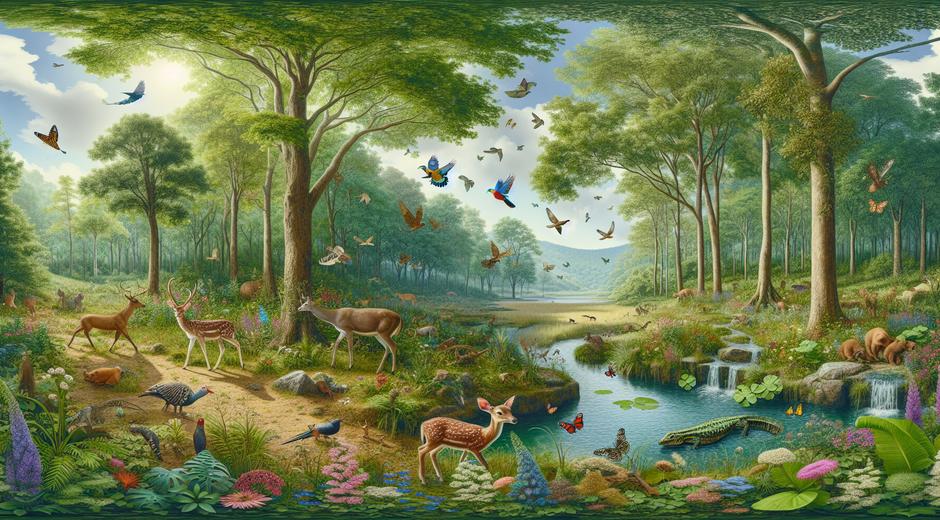


Wildlife Diversity: Why It Matters and How We Can Protect It
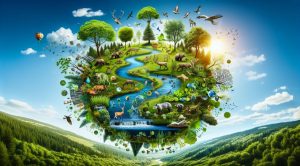
Wildlife Diversity is a cornerstone of healthy natural systems and a foundation for human wellbeing. This concept covers the variety of life across genes species and ecosystems. It shapes ecosystem functions that clean water sustain soils pollinate crops and regulate climate. As pressures from development climate change and human activity increase every region on Earth must find ways to preserve Wildlife Diversity while supporting social and economic needs. For readers who want a broad nature resource and ongoing coverage of biodiversity topics visit bionaturevista.com to explore related guides features and research summaries.
What Is Wildlife Diversity
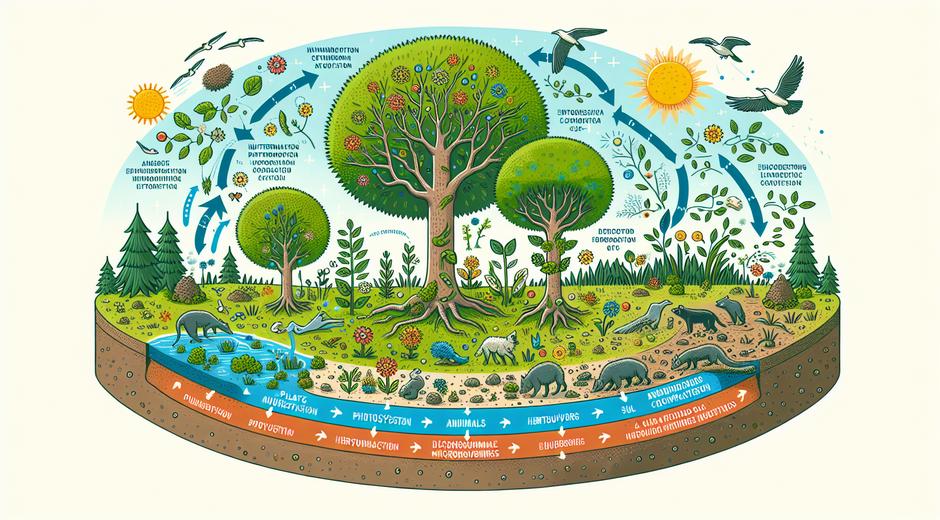
Wildlife Diversity includes three complementary levels. Species diversity refers to the number and abundance of distinct species in a place. Genetic diversity is the variation within each species. Ecosystem diversity describes the range of habitats and ecological processes that support life. Together these levels determine how resilient a landscape will be when faced with change. High Wildlife Diversity means there are many options for ecological roles and services so systems can adapt and continue to provide the functions human societies depend on.
Why Wildlife Diversity Matters
There are many reasons Wildlife Diversity deserves attention. Ecologically diverse systems perform essential services. Pollinators enable food production. Wetlands filter water. Mangrove forests protect coastlines from storms. Economically diverse natural systems support fisheries tourism and agricultural stability. From a social perspective people derive cultural identity recreation and scientific insights from diverse wildlife. From a risk management perspective diversity reduces vulnerability. When one species declines other species often fill similar roles which helps maintain ecosystem processes under stress.
Major Threats to Wildlife Diversity
Human activity creates multiple overlapping threats to Wildlife Diversity. Habitat loss caused by agricultural expansion urban growth and infrastructure development removes space species need to survive. Climate change alters temperature and rainfall patterns and forces species to migrate or adapt quickly. Pollution degrades habitats. Introduced species often outcompete native species and change food webs. Unsustainable harvest of wildlife and their habitats further reduces populations and erodes genetic diversity. Each threat interacts with the others creating complex challenges for conservation.
How Scientists Measure Wildlife Diversity
Measuring Wildlife Diversity helps managers set priorities monitor progress and evaluate conservation strategies. Common tools include species inventories and monitoring programs. Indices such as species richness quantify how many species occur in a site. Evenness and diversity indices capture how balanced those populations are. Genetic studies reveal adaptive potential and inbreeding risks. Remote sensing and landscape analysis show habitat quantity and connectivity. Citizen science projects expand data collection while emerging technologies like environmental DNA enable detection of elusive species from water or soil samples.
Effective Conservation Strategies
Successful conservation of Wildlife Diversity relies on a mix of approaches. Protecting intact habitat through reserves is a core strategy. Creating corridors between fragments improves movement and gene flow. Restoration of degraded habitat can support recovery of populations. Sustainable use policies that align local livelihoods with conservation goals reduce illegal exploitation. Ex situ conservation in captive facilities and seed banks provides a safety net for rare species. Importantly effective conservation requires sound science policy support and active participation from local communities. Integrated landscape planning that balances conservation with production can achieve better outcomes for both people and nature.
The Role of Policy Science and Community Action
Good policy sets the rules and incentives for long term protection of Wildlife Diversity. Laws that support protected areas control pollution and regulate trade are essential. Science provides the evidence base for priority setting and adaptive management. Community engagement ensures that conservation is equitable and sustainable. Local knowledge often reveals seasonal patterns and behaviors that formal science may miss. When communities benefit from conservation through jobs revenue or improved ecosystem services they are more likely to be champions for Wildlife Diversity.
How Individuals Can Help
Everyone can play a role in protecting Wildlife Diversity. Simple actions add up. Reduce waste and avoid single use plastics that harm marine life. Choose sustainably produced foods and products. Support local and national conservation organizations with time or donations. Participate in citizen science to help monitor wildlife. Plant native species and remove invasive plants in yards and community spaces to provide habitat for pollinators and birds. Advocate for policies that protect natural areas and support climate action because a stable climate improves conditions for diverse life.
Success Stories and Inspiring Examples
There are many inspiring examples where focused efforts have led to recovery of species and habitats. River restoration projects have returned fish to stretches of water once blocked by dams. Community led forest management has stabilized slopes and increased biodiversity while providing income from sustainable harvesting. Species reintroduction and recovery programs have brought some populations back from the brink. These cases show that coordinated science policy and community action produce measurable results for Wildlife Diversity.
Measuring Progress and Setting Realistic Goals
To protect Wildlife Diversity at scale conservation planners set measurable targets. These may include area based goals for protected land or milestones for population recovery. Monitoring programs track indicators such as species abundance habitat quality and genetic health. Transparent reporting and open data enable learning and improve effectiveness over time. Setting realistic short term goals that align with long term visions helps maintain stakeholder support and secures funding.
How Media and Information Shape Conservation Outcomes
Clear accessible information plays a major role in building public support for Wildlife Diversity. Media outlets that report accurately on conservation science highlight threats and successes and can inspire action. For readers who follow nature policy and wildlife news a trusted source of archived articles and research summaries can be very useful. To explore a collection of articles data and historical reporting on wildlife topics visit Newspapersio.com for curated material that supports research and storytelling.
Looking Ahead
Protecting Wildlife Diversity requires commitment across sectors and scales. With increasing urban populations and ongoing change it is critical to integrate biodiversity values into planning and decision making. Advances in science technology and growing public interest provide new tools and momentum. The pathway ahead blends conservation area management habitat restoration science community action and sustainable development. By valuing Wildlife Diversity for its ecological cultural and economic importance societies can create more resilient landscapes and secure benefits for future generations.
Conclusion
Wildlife Diversity is a measure of nature resilience and a resource for human wellbeing. Preserving it requires science supported policy practical conservation actions and everyday choices by individuals. From protected areas to local gardens every action helps create a mosaic of habitats where diverse life can thrive. Stay informed get involved and support efforts that keep our natural world rich and productive for people and wildlife alike. Explore in depth resources and ongoing nature reporting at bionaturevista.com to continue learning and taking action for Wildlife Diversity.